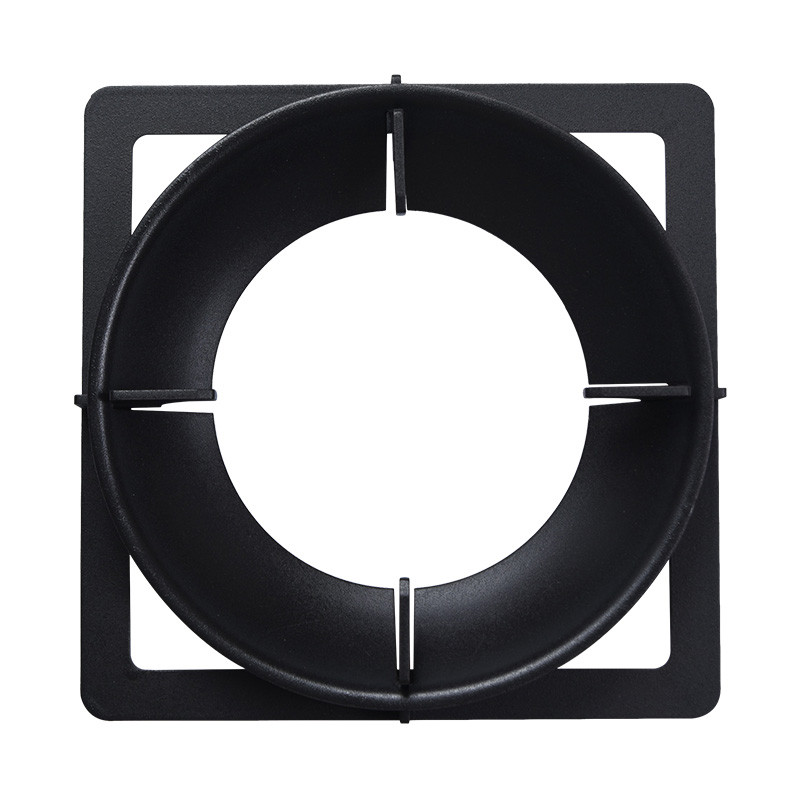
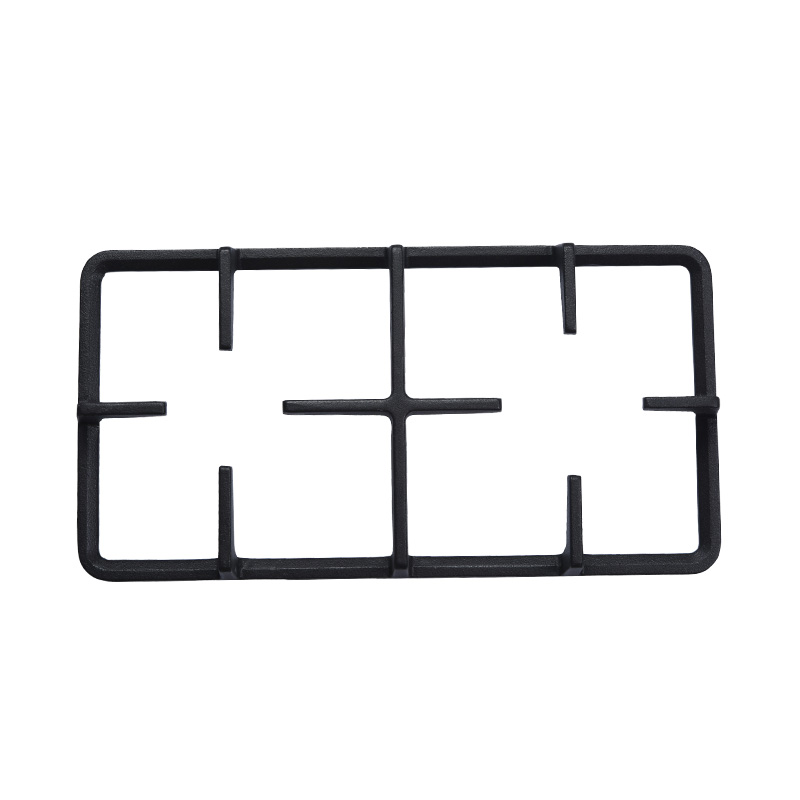
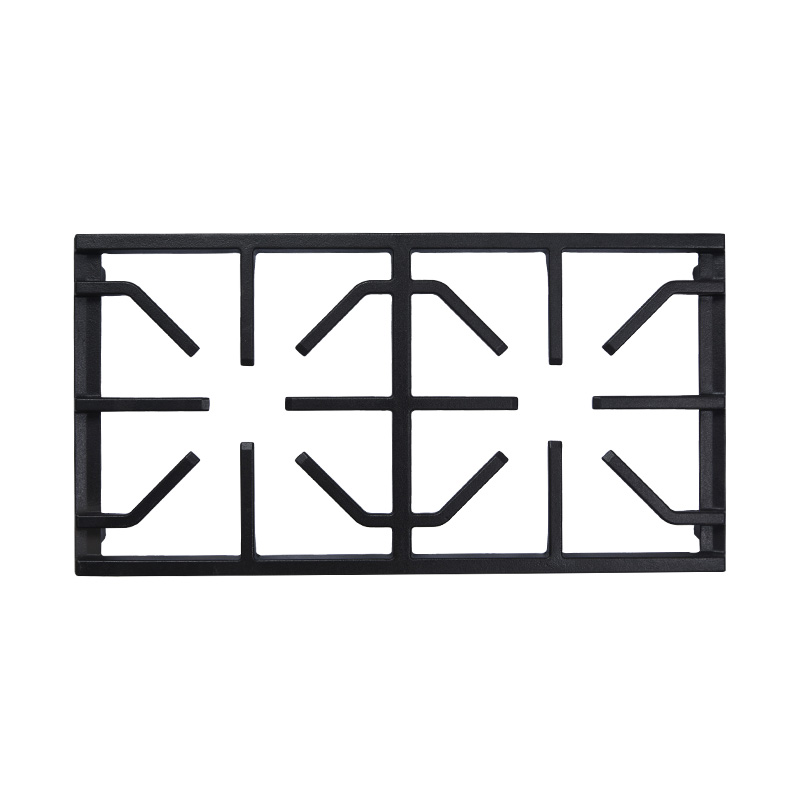
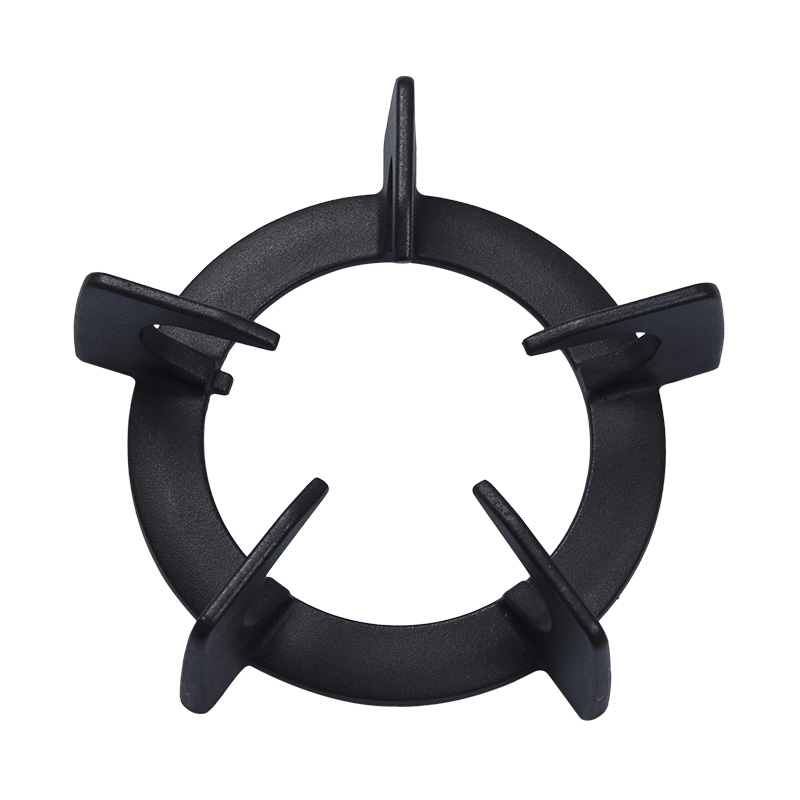
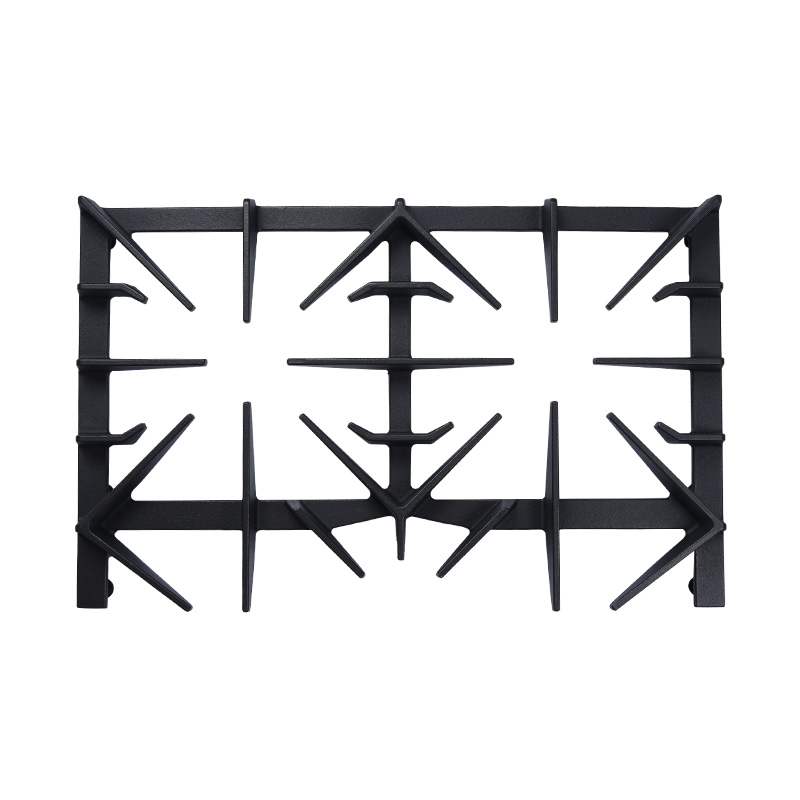
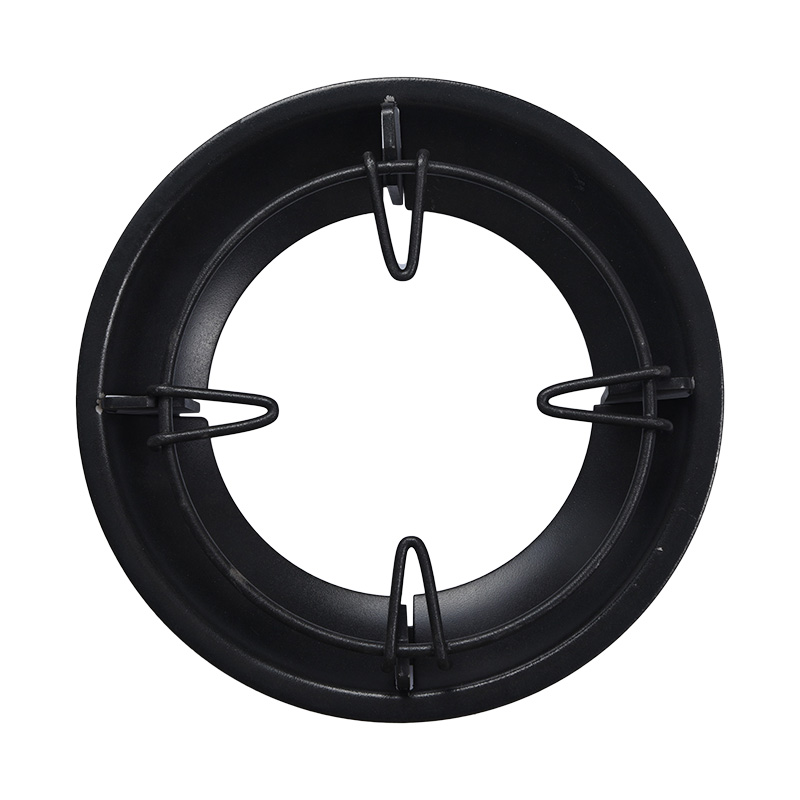
The Cast Iron Barbecue Support is primarily engineered for outdoor barbecue applications — but it can be safely used indoors on a wood-burning stove or fireplace insert, provided specific safety conditions are met. The cast iron material itself is thermally versatile and has no inherent restriction to outdoor-only use. However, the risks associated with indoor combustion, ventilation, and surface stability make it critical to assess your specific indoor setup before proceeding.
In short: the material says yes, but your environment may say no. The sections below break down exactly what factors determine whether your indoor setup is suitable.
The Cast Iron Barbecue Support is built to function as a stable, high-heat platform that holds grates, cookware, or fuel above a heat source. Its core design priorities include:
Nothing in this design is exclusive to outdoor use. A wood-burning stove or fireplace insert produces comparable heat conditions. The question is whether the surrounding environment — not the support itself — is safe and appropriate.
Understanding the environmental differences is essential before placing your Cast Iron Barbecue Support on an indoor stove or fireplace insert.
| Factor | Outdoor Barbecue | Indoor Wood-Burning Stove | Indoor Fireplace Insert |
|---|---|---|---|
| Ventilation | Unlimited / open air | Chimney-dependent | Chimney-dependent |
| Surface Stability | Grill grate or fire pit edge | Flat stove top surface | Variable insert dimensions |
| Smoke Management | Not a concern | Managed via flue | Managed via damper/flue |
| Carbon Monoxide Risk | Negligible | Present if poorly vented | Present if damper closed |
| Surrounding Clearance | Open space | Confined, near walls | Confined fireplace box |
A wood-burning stove is one of the most compatible indoor settings for the Cast Iron Barbecue Support. These stoves are engineered for high-heat output, and the flat, reinforced top surface can support the weight of the support plus cookware. However, there are specific compatibility checks you must perform:
Most quality wood-burning stove tops are rated to handle 20–50 kg of static load, but this varies by manufacturer. A cast iron support and a filled Dutch oven could easily reach 12–15 kg combined. Always consult your stove's manual or contact the manufacturer to confirm the surface can handle this weight safely.
The Cast Iron Barbecue Support elevates cookware above the stove surface. This added height means the cookware may come close to overhead shelving, mantlepieces, or ceiling beams. Maintain a minimum clearance of 60 cm (24 inches) between the top of the cookware and any combustible material above.
Never use the Cast Iron Barbecue Support on a wood-burning stove indoors unless the chimney flue is fully open and drawing correctly. Cooking on an active fire with a partially blocked flue creates a carbon monoxide buildup risk — a colourless, odourless gas that is lethal at concentrations above 200 ppm. Install a CO detector within 3 metres of the stove if you intend to cook indoors regularly.
Fireplace inserts present a more constrained environment than freestanding stoves. While it is physically possible to place the Cast Iron Barbecue Support inside a fireplace insert, the setup is more complex and warrants greater caution.
Before using the Cast Iron Barbecue Support indoors for the first time, run through this safety checklist:
From the perspective of the Cast Iron Barbecue Support as a product, indoor use does not inherently damage it — provided the thermal conditions are within the material's tolerance range. Cast iron is stable up to approximately 1,200°C (2,192°F) before structural degradation begins, which is far beyond what any household stove or fireplace will produce.
However, indoor environments can introduce one significant threat to the support's longevity: moisture and condensation. A cooler indoor environment during off-season storage, or steam from cooking, can accelerate surface rust if the support is not properly dried and re-seasoned after each use. Always store the Cast Iron Barbecue Support in a dry location, lightly coated with a food-safe oil such as flaxseed or vegetable oil to protect the surface between uses.
When all safety conditions are met, the Cast Iron Barbecue Support performs reliably in the following indoor cooking scenarios:
The Cast Iron Barbecue Support is designed with outdoor use as its primary application, but it is not restricted to it. With proper preparation, ventilation, and safety measures in place, it can serve as an effective and durable cooking support on a wood-burning stove or fireplace insert. The material is capable; your responsibility is to ensure the environment is ready.
Users who plan to cook indoors regularly with the Cast Iron Barbecue Support should treat it as a serious kitchen tool — not an improvised workaround. Invest in a CO detector, confirm your flue is serviced annually, and follow the seasoning and maintenance routine to keep the support in optimal condition season after season, whether indoors or out.

Come collaborate with us.

+86-13034673865


No. 5, Sunjiadifan, Shangtian Street, Fenghua District, Ningbo City, Zhejiang Province, China
Copyright © Ningbo Yisheng Machinery Co., Ltd. All Rights Reserved


 English
 中文简体
中文简体 Español
 русский