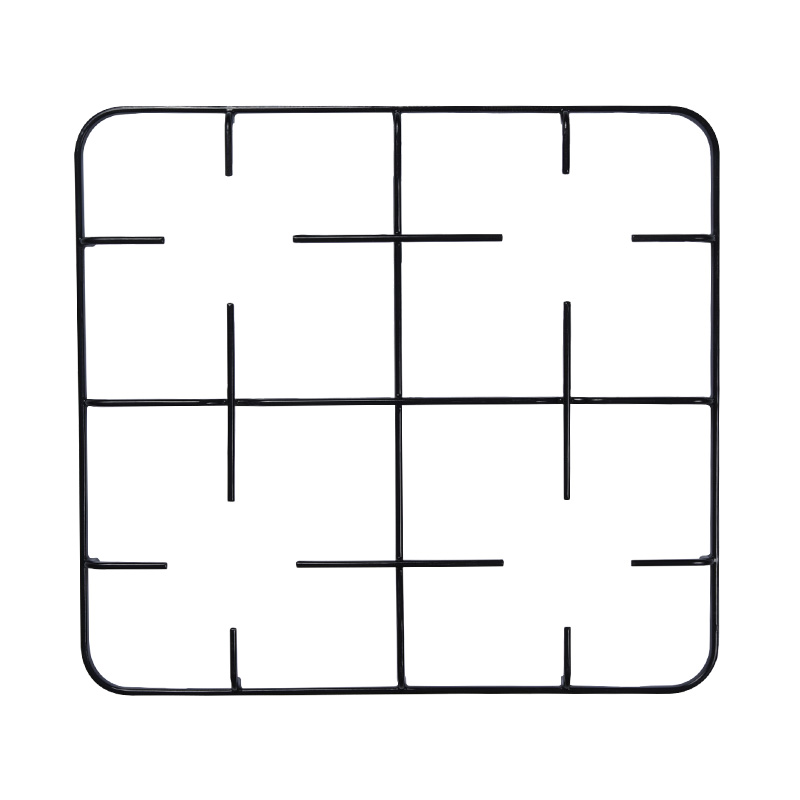
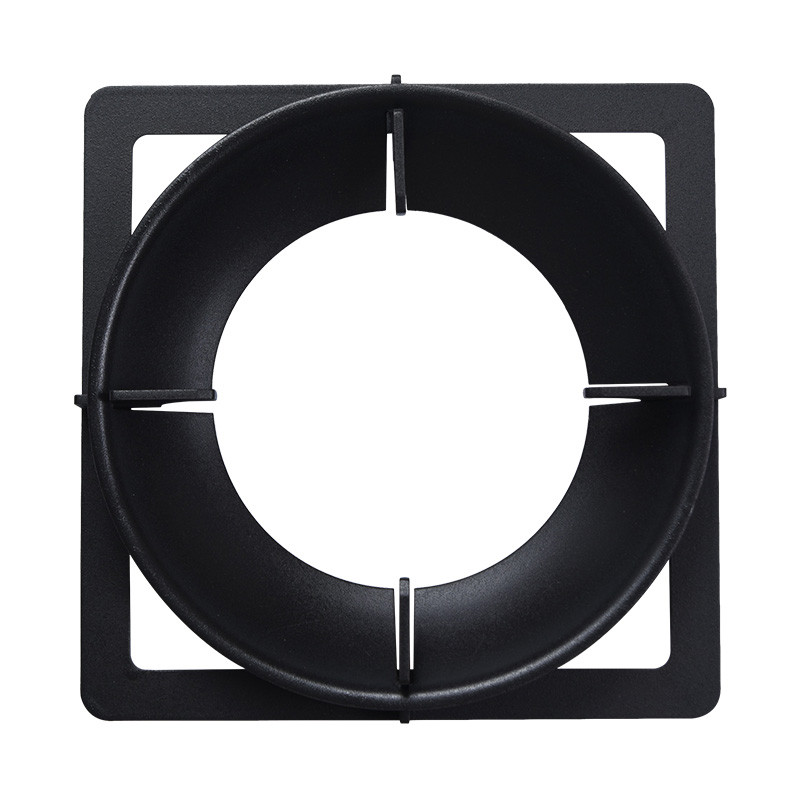
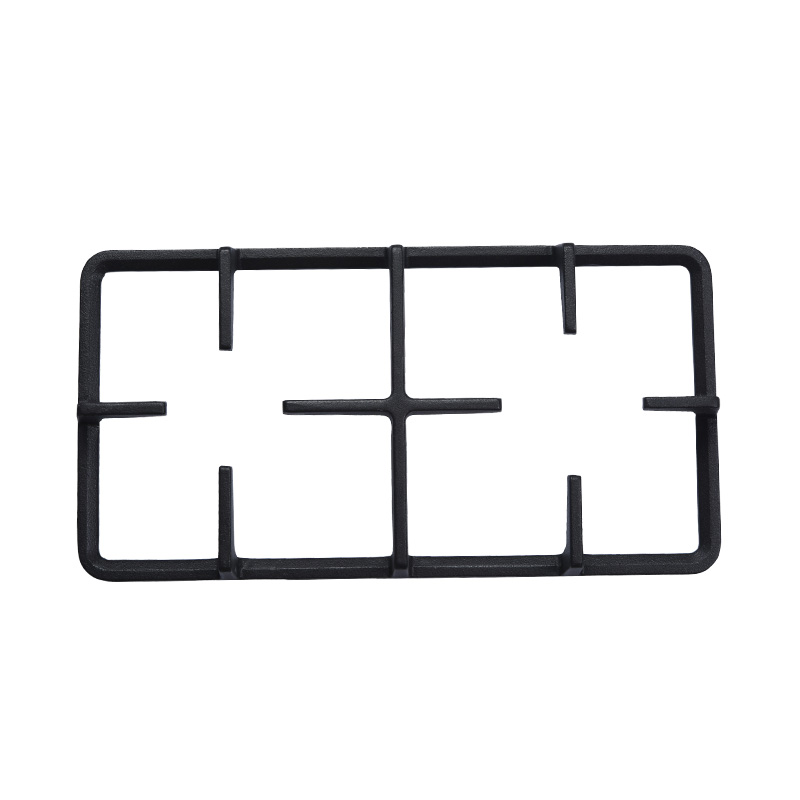
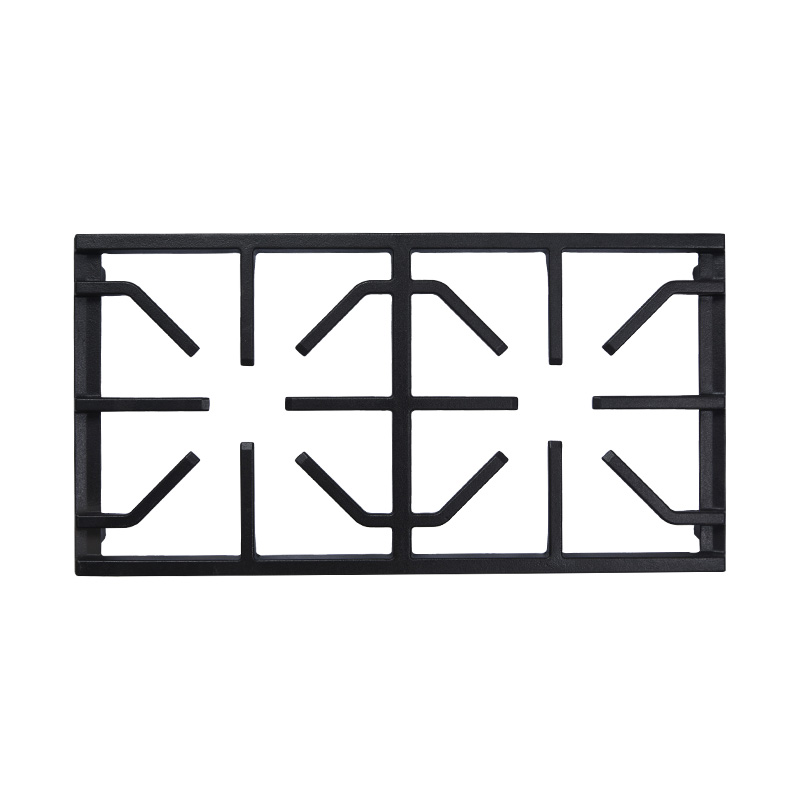
High heat retention: Cast iron is well-known for its exceptional thermal mass, which allows Cast Iron Baking Sheets to absorb, store, and radiate heat much more effectively than lighter materials such as aluminum or stainless steel. Once preheated, the sheet retains a stable and consistent temperature, even when cold ingredients are placed on its surface. This quality reduces temperature fluctuations inside the oven, which are common with thinner bakeware. Because the oven does not need to compensate as frequently by turning heating elements on and off, overall energy consumption is lowered. In addition, the ability of cast iron to maintain heat means that even in prolonged baking sessions, the oven cycles less frequently, minimizing energy spikes and promoting efficient electricity or gas use. This stable thermal environment also improves the consistency of baked goods, providing professional-quality results while conserving energy.
Reduced preheating time: One of the practical advantages of using Cast Iron Baking Sheets is their ability to reduce the amount of time needed for preheating the oven. Preheating is typically one of the most energy-intensive phases of baking, as the oven must raise its internal temperature from room temperature to the target baking temperature. Because a cast iron sheet has high thermal mass, placing it in the oven allows it to store heat and act as a thermal buffer, gradually stabilizing the surrounding air temperature. This means that the oven’s heating elements do not need to remain on for as long to achieve a uniform temperature. For bakers and professional kitchens, this translates to measurable energy savings, especially during repeated baking cycles. It also reduces the stress on the oven, potentially extending its operational lifespan.
Even heat distribution: One of the most critical aspects of energy efficiency in baking is how evenly heat is distributed across the cooking surface. Cast Iron Baking Sheets excel in this regard because their dense material conducts heat uniformly from edge to edge. Unlike thin aluminum sheets that can develop hot and cold spots, cast iron ensures that every part of the baking surface remains at a stable temperature. This prevents the need to prolong baking times to compensate for uneven cooking, which would increase energy consumption. Even heat distribution also enhances browning, caramelization, and crisping in baked goods, which means that less time and energy are required to achieve optimal culinary results. In professional kitchens, consistent outcomes reduce waste and improve energy utilization efficiency.
Lower oven temperature requirements: Another subtle yet significant way Cast Iron Baking Sheets conserve energy is by allowing certain foods to cook at slightly lower oven temperatures without compromising texture, color, or flavor. Because the sheet retains and radiates heat consistently, it can deliver more direct thermal energy to the surface of the food, achieving caramelization, browning, or crisping that might otherwise require higher temperatures. This property is particularly advantageous for baked goods that need even surface browning, such as cookies, artisan bread, or roasted vegetables. Reducing the oven temperature by even 10–15 degrees Fahrenheit across multiple baking sessions can add up to significant energy savings over time, both in professional kitchens and home settings.
Energy retention between batches: In high-volume or multi-batch baking, the residual heat stored in Cast Iron Baking Sheets becomes a valuable asset for energy efficiency. After the first batch of food is removed, the sheet remains hot and continues to radiate thermal energy. When the next batch is placed on the sheet, it begins cooking more quickly, requiring less energy from the oven to bring the new food up to the proper temperature. This ability to “carry over” heat reduces the total energy required for consecutive batches and improves workflow efficiency in professional kitchens. Over multiple cycles, these incremental savings in energy consumption become substantial, making cast iron a practical choice for environmentally conscious and cost-conscious bakers.
Longer cooldown period: While one potential drawback of Cast Iron Baking Sheets is their slower cooldown due to retained heat, this effect is usually minor in terms of energy consumption and can be leveraged effectively in commercial kitchens. During this period, the residual heat can be used to maintain food warmth or assist with finishing techniques, such as crisping or browning surfaces that need slight additional cooking. Compared to the energy saved during the active baking phase, this extended cooling time is negligible, and in many cases, it can be used strategically to reduce the need for additional energy-consuming warming equipment. Overall, the long-term benefits of energy savings and baking consistency far outweigh the minor impact of slower cooldowns.

Come collaborate with us.

+86-13034673865


No. 5, Sunjiadifan, Shangtian Street, Fenghua District, Ningbo City, Zhejiang Province, China
Copyright © Ningbo Yisheng Machinery Co., Ltd. All Rights Reserved


 English
 中文简体
中文简体 Español
 русский