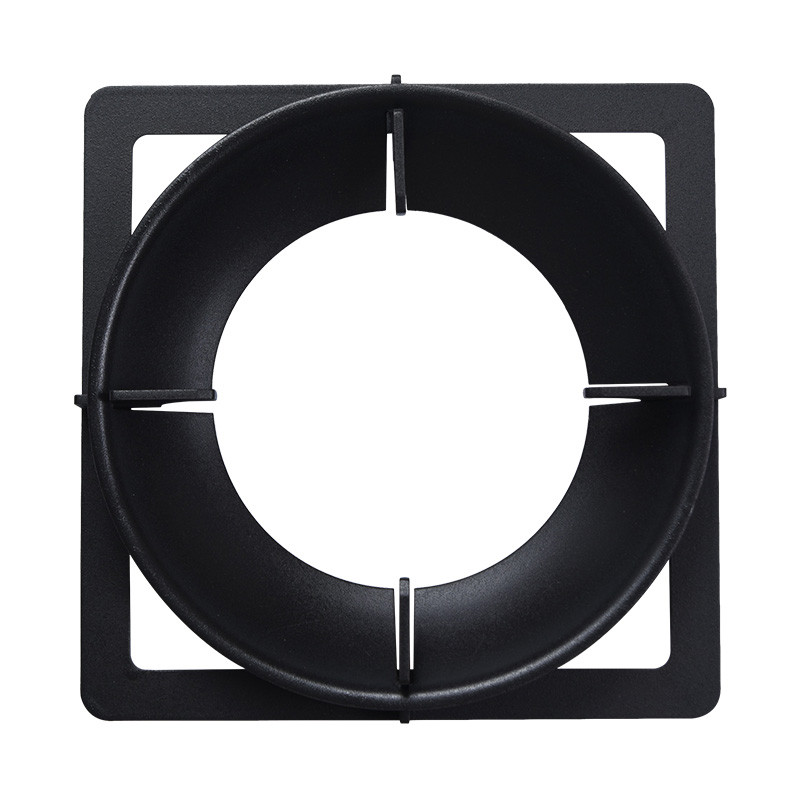
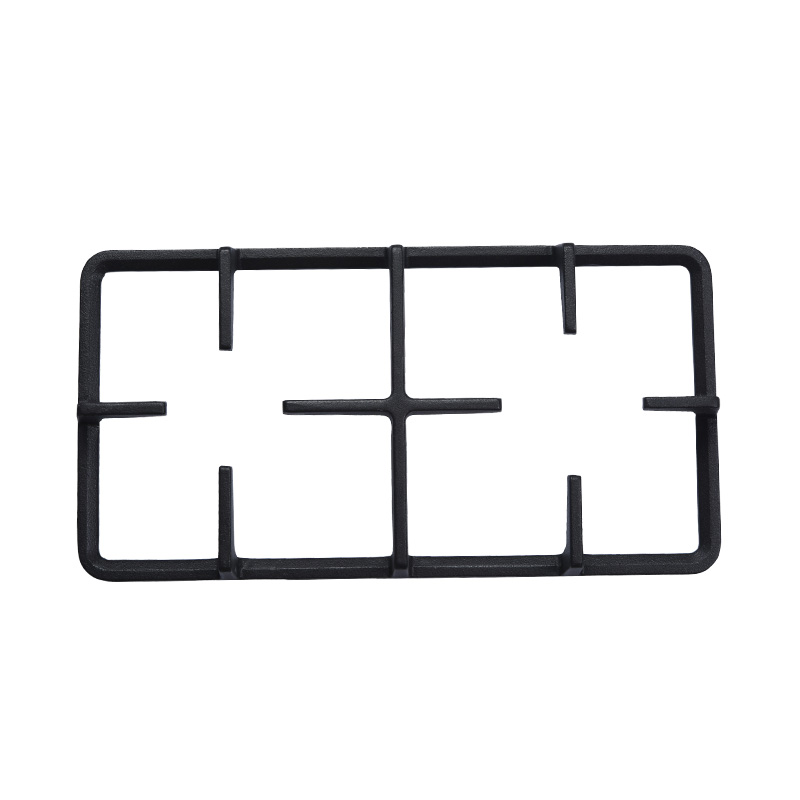
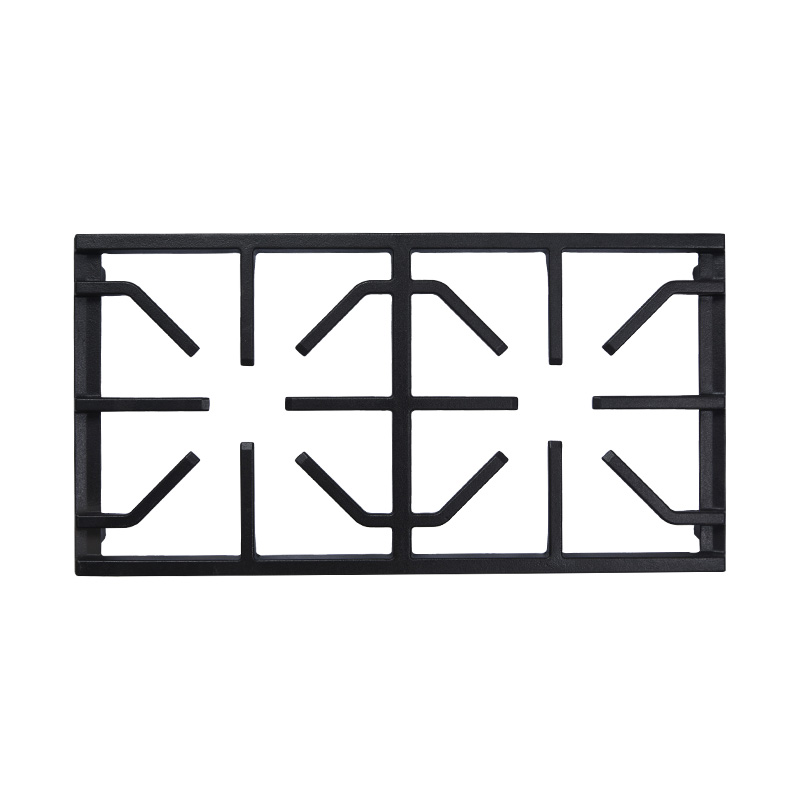
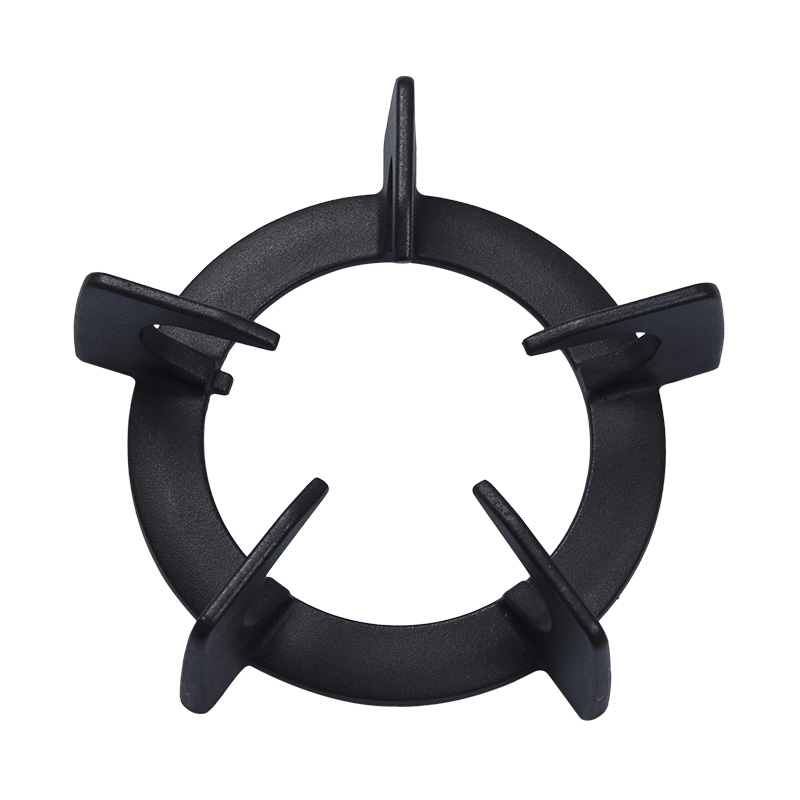
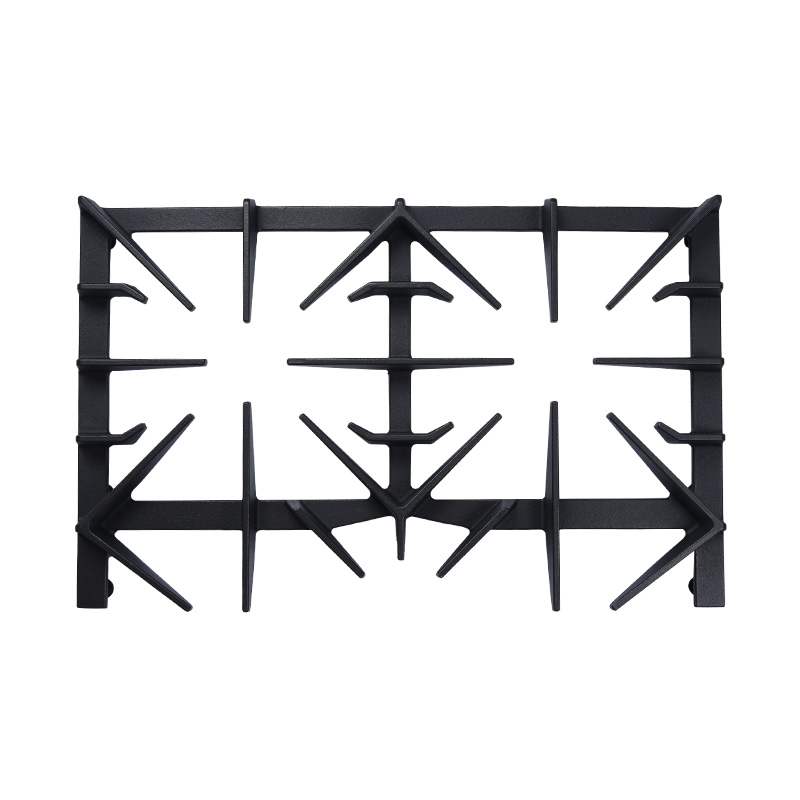
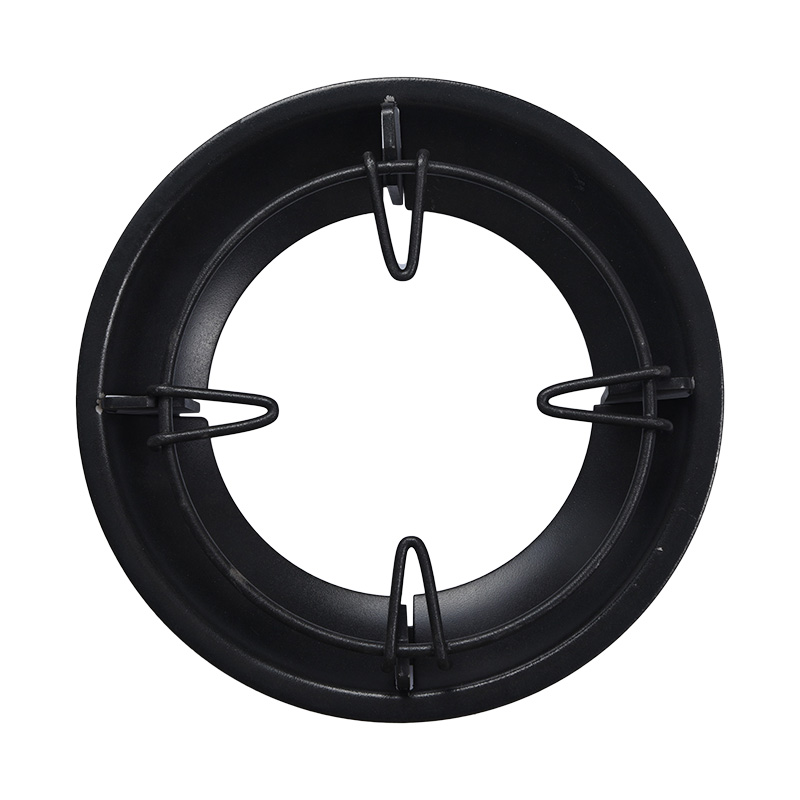
Intrinsic Material Properties: Cast Iron Pan Supports are manufactured from cast iron, a material known for its low coefficient of thermal expansion relative to other metals such as steel or aluminum. This characteristic allows cast iron to expand gradually rather than abruptly when exposed to high temperatures from gas or electric burners, reducing the likelihood of stress-related damage such as warping, cracking, or deformation. The dense composition of cast iron provides uniform heat absorption across the pan support, which prevents localized thermal hotspots that could otherwise create uneven expansion and compromise structural integrity. Over repeated heating and cooling cycles, cast iron’s dimensional stability ensures that the supports retain their original shape, alignment, and mechanical performance, maintaining consistent and reliable support for cookware over time.
Mass and Thickness Considerations: The weight and thickness of Cast Iron Pan Supports play a critical role in mitigating thermal stress. Thicker and heavier supports possess greater thermal mass, which allows them to absorb and distribute heat more evenly across the entire structure. This reduces rapid temperature changes in localized areas, preventing concentrated stress points that could lead to micro-cracks, warping, or permanent deformation. The substantial mass of the pan support contributes to stability, ensuring that cookware placed on top remains balanced and stationary even under extreme heat conditions. By combining structural thickness with the material’s natural thermal properties, the pan support withstands long-term thermal cycling while maintaining both safety and functionality.
Design for Thermal Flexibility: Modern Cast Iron Pan Supports are engineered with subtle design features that accommodate thermal expansion and contraction without compromising structural stability. For instance, slightly curved arms, open lattice grids, or non-rigid mounting points allow the cast iron to expand freely when heated and contract when cooled. This intentional flexibility prevents stress accumulation at fixed points or junctions, which could otherwise lead to cracking or distortion. By allowing controlled movement during thermal cycles, the pan supports maintain proper alignment with burners, ensuring even flame distribution and consistent cookware stability. This design consideration is particularly important for heavy-duty or continuous-use cooktops where repeated heating cycles are frequent.
Surface Treatment and Coatings: Many Cast Iron Pan Supports are coated with enamel or other high-temperature-resistant finishes that provide both protective and thermal management benefits. These coatings protect the raw cast iron from moisture, oxidation, and corrosion, extending the lifespan of the support. Additionally, the coating improves heat distribution across the surface, reducing localized thermal gradients that could contribute to micro-cracking or uneven expansion. High-quality enamel or powder coatings are designed to withstand repeated high-temperature cycles without chipping, flaking, or degrading, ensuring that the pan support maintains both its functional performance and aesthetic appearance over years of use.
Stress Distribution Through Structural Design: The structural design of Cast Iron Pan Supports, often incorporating open grids, lattice frameworks, or multiple support arms, enhances the distribution of thermal and mechanical stresses across the pan support. This design allows heat from burners to pass through the open spaces, reducing direct thermal load on any single section of cast iron. By spreading expansion and contraction forces evenly across the structure, the pan support minimizes the risk of localized warping, cracking, or mechanical failure. Even under repeated high-heat cycles, the combination of material properties and structural design ensures that stresses are balanced, allowing the support to maintain its shape, alignment, and reliable function.

Come collaborate with us.

+86-13034673865


No. 5, Sunjiadifan, Shangtian Street, Fenghua District, Ningbo City, Zhejiang Province, China
Copyright © Ningbo Yisheng Machinery Co., Ltd. All Rights Reserved


 English
 中文简体
中文简体 Español
 русский