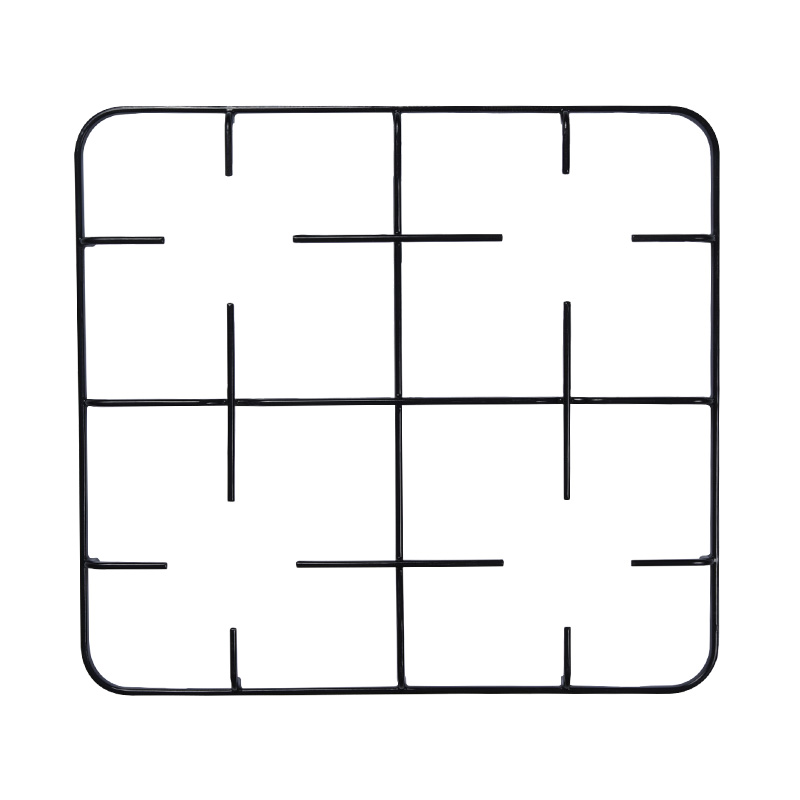
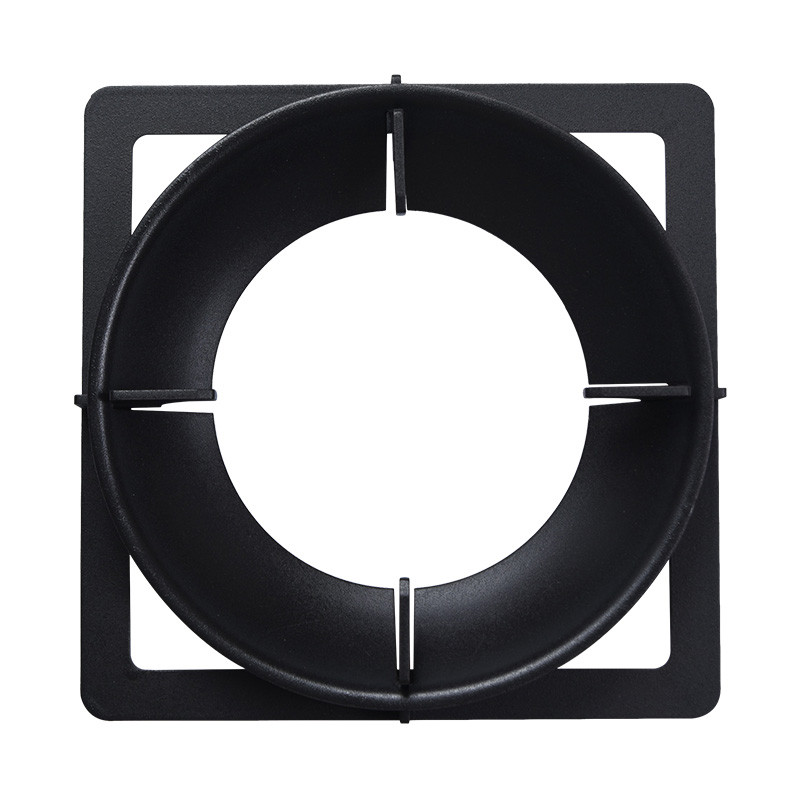
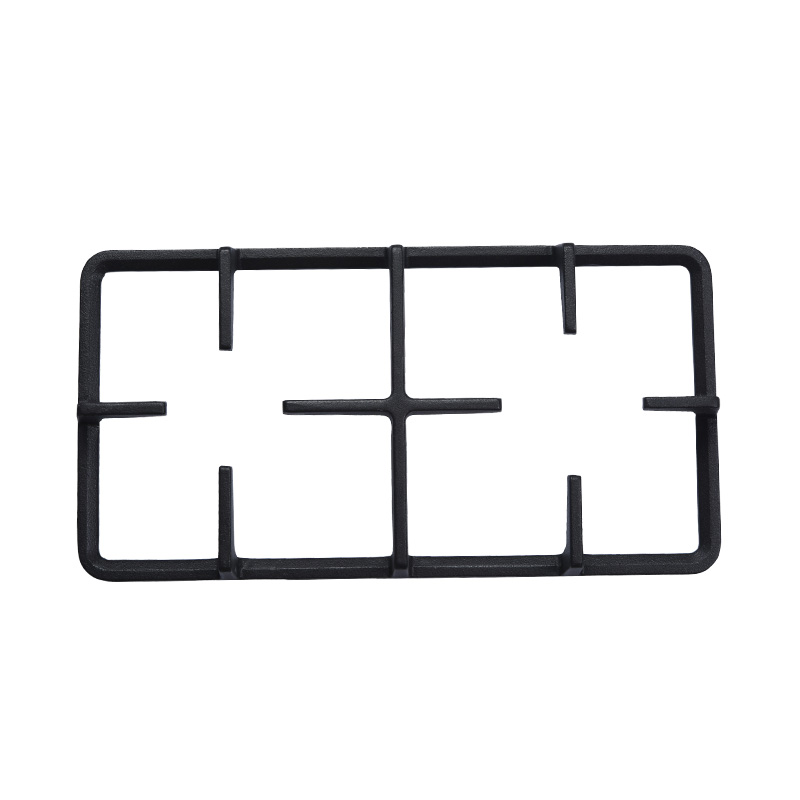
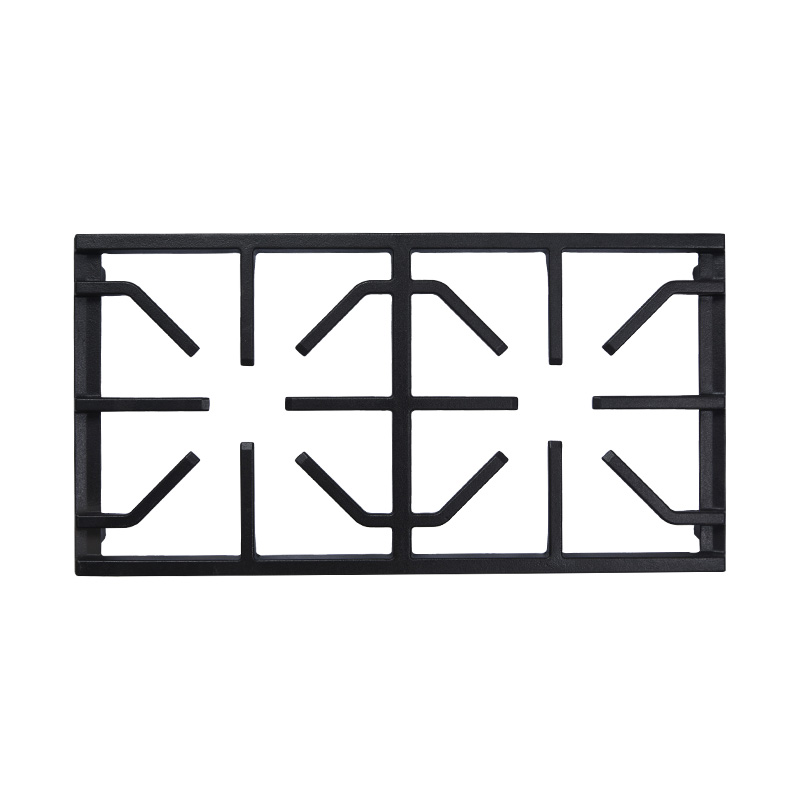
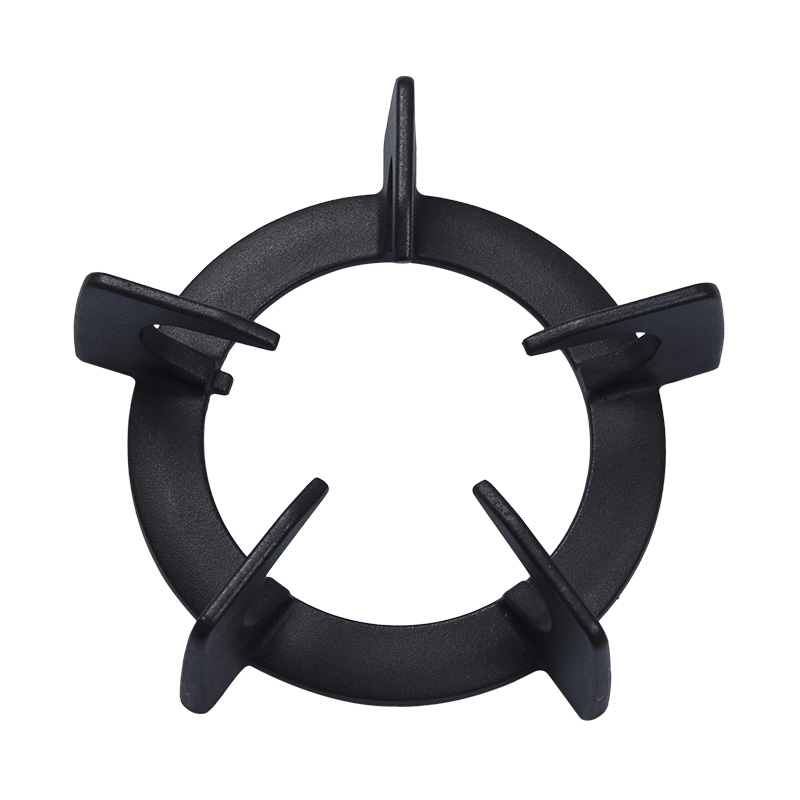
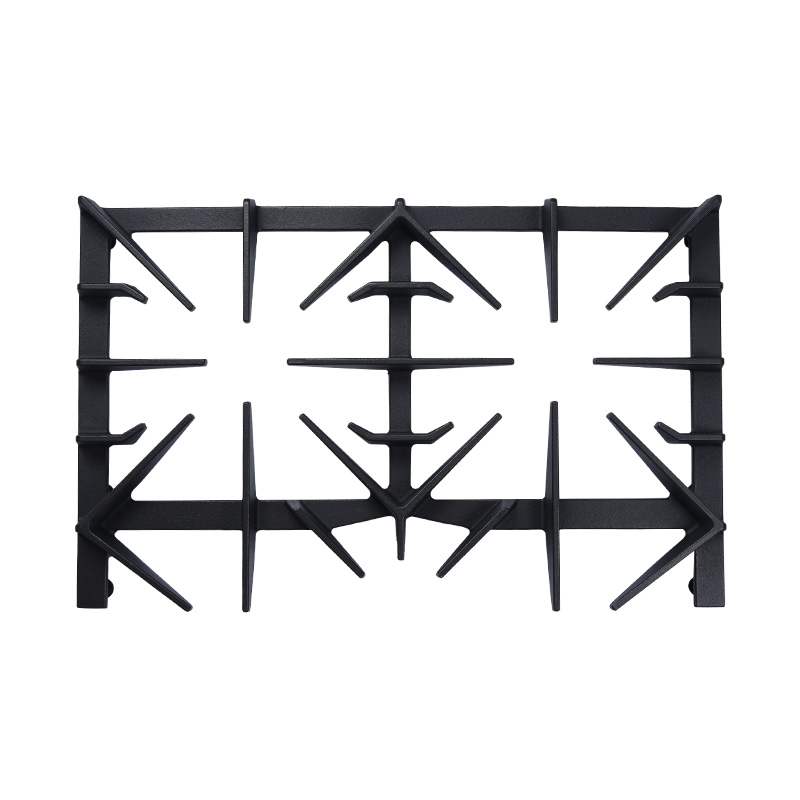
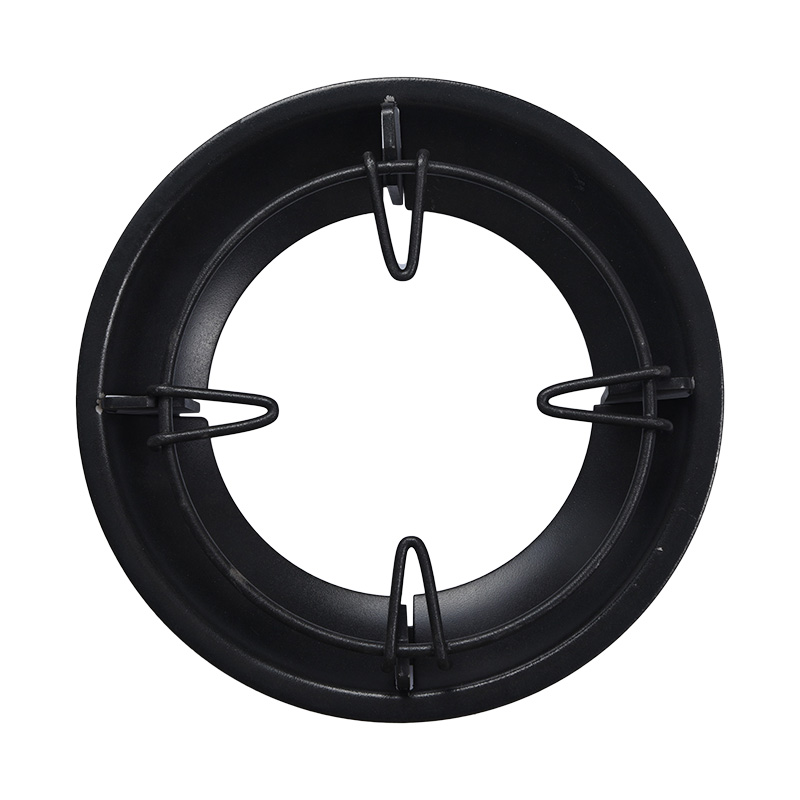
A Cast Iron Stove Pan Support prevents cookware from tipping or sliding by providing a stable, high-friction, and structurally rigid platform that evenly distributes weight across the burner area. The inherent mass of cast iron, combined with its textured surface and durable design, keeps cookware securely positioned even during intense cooking movements such as stirring, flipping, or lifting food. Because cast iron is significantly heavier and stronger than many alternative materials, it reduces vibration and movement, helping maintain consistent cookware placement.
In practical cooking environments, particularly with gas stoves, cookware stability is critical. Pots filled with liquids, large skillets, or heavy Dutch ovens can easily shift if the support structure is weak or poorly designed. A well-engineered Cast Iron Stove Pan Support ensures that the cookware base maintains multiple contact points with the support frame, minimizing the risk of tipping while maintaining proper flame contact.
The first factor contributing to cookware stability is the structural strength of cast iron. Compared with lightweight steel or aluminum grates, cast iron has a significantly higher density and load-bearing capacity. Cast iron typically has a density of approximately 7.2 g/cm³, making it substantially heavier than aluminum supports, which average about 2.7 g/cm³.
This additional mass creates a strong base that resists movement when cookware is placed on the stove. When users stir thick sauces or move ingredients around in a pan, lateral forces are generated. Lightweight supports may shift under these forces, but cast iron supports remain firmly in place.
Furthermore, cast iron's rigidity allows it to maintain its shape even under heavy loads. Many modern Cast Iron Stove Pan Support products are designed to safely hold cookware weighing between 20 kg and 40 kg, which covers most residential and commercial cooking applications.
Another critical factor in preventing cookware movement is friction. The slightly rough surface texture of cast iron naturally increases the friction coefficient between the support and the cookware base. Higher friction reduces the likelihood of sliding when cookware is moved during cooking.
Most Cast Iron Stove Pan Support designs incorporate multiple raised arms or prongs that hold the cookware at several points. These contact points create mechanical resistance against sliding.
Typical support structures include:
These structural features significantly increase stability because cookware weight is distributed across several anchor points rather than resting on a single narrow surface.
Weight distribution plays a major role in preventing tipping. A properly designed Cast Iron Stove Pan Support spreads the cookware’s load evenly across the stove burner frame. This ensures that the center of gravity remains within the support structure.
For example, when a large 5-liter pot filled with soup weighs approximately 6–7 kg, uneven support could cause the pot to tilt if the weight shifts to one side. However, a symmetrical cast iron support keeps the load balanced across multiple points.
| Cookware Type | Average Weight (Filled) | Stability Requirement |
|---|---|---|
| Frying Pan | 2–3 kg | Medium |
| Saucepan | 3–5 kg | High |
| Stockpot | 6–10 kg | Very High |
| Dutch Oven | 8–12 kg | Maximum |
This balanced distribution ensures that even when food is stirred vigorously, the cookware remains centered over the burner.
Many modern Cast Iron Stove Pan Support designs include slightly raised edges or inward curves that cradle cookware bases. These subtle design features create a natural stopping point that prevents lateral sliding.
A correctly positioned pan support ensures cookware remains centered above the burner flame. When cookware is properly aligned, heat distribution remains uniform and reduces the need for frequent repositioning that could cause slipping.
Cast iron expands slowly under heat and maintains structural integrity even at temperatures exceeding 600°C. This thermal stability ensures that the support does not warp or bend during repeated heating cycles, maintaining consistent cookware positioning.
The stability provided by a Cast Iron Stove Pan Support becomes particularly important in real-world cooking situations. Consider the following examples:
In each of these scenarios, cookware is subjected to constant motion. A strong and well-designed Cast Iron Stove Pan Support minimizes movement and greatly reduces the risk of accidental spills or burns.
The Cast Iron Stove Pan Support plays a vital role in cooking safety and efficiency. By combining high material density, structural strength, multiple contact points, and friction-enhancing surfaces, it creates a secure platform that keeps cookware stable throughout the cooking process.
The key advantage lies in its ability to maintain balance and resist movement even under heavy loads or vigorous cooking activity. This makes cast iron supports a preferred choice for both residential and commercial kitchen environments where cookware stability is essential for safe and effective food preparation.

Come collaborate with us.

+86-13034673865


No. 5, Sunjiadifan, Shangtian Street, Fenghua District, Ningbo City, Zhejiang Province, China
Copyright © Ningbo Yisheng Machinery Co., Ltd. All Rights Reserved


 English
 中文简体
中文简体 Español
 русский