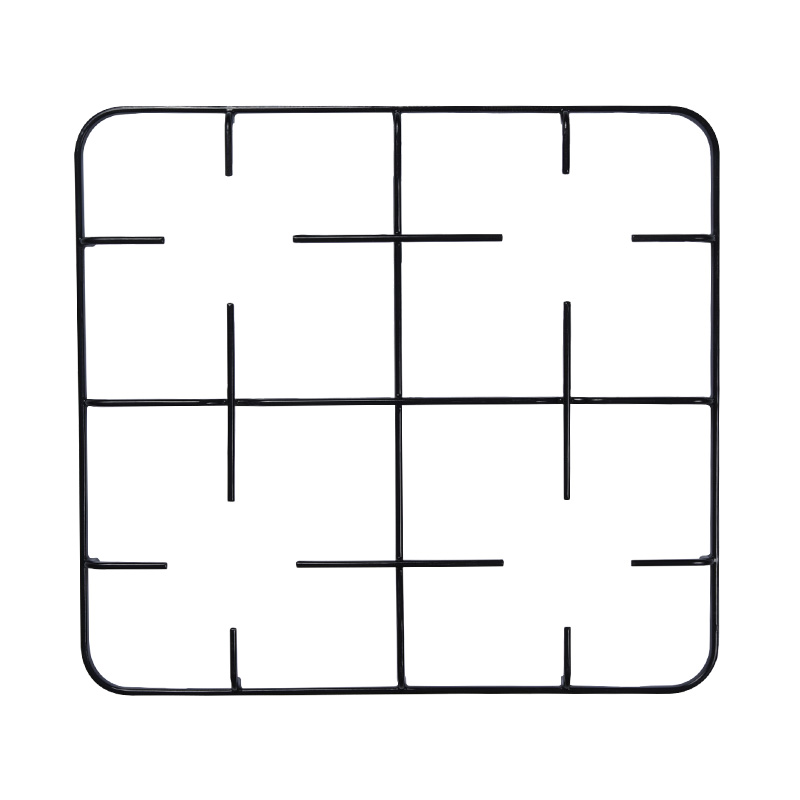
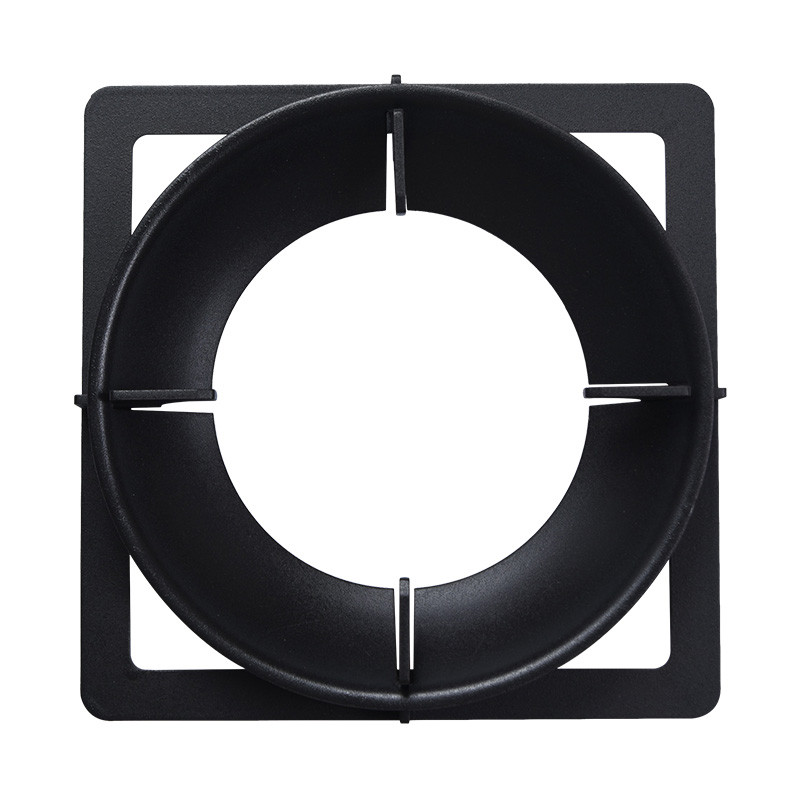
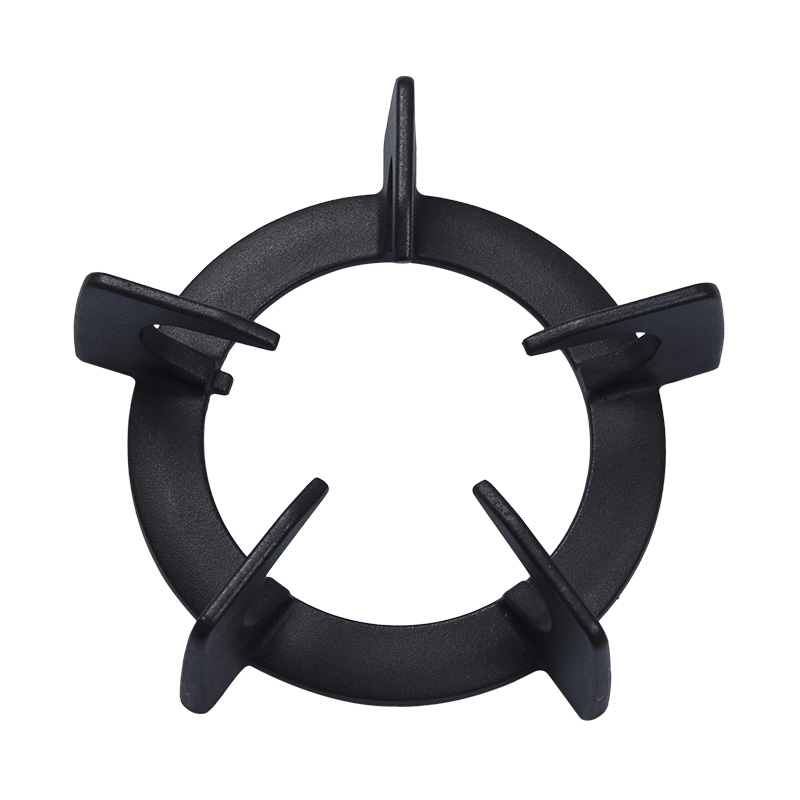
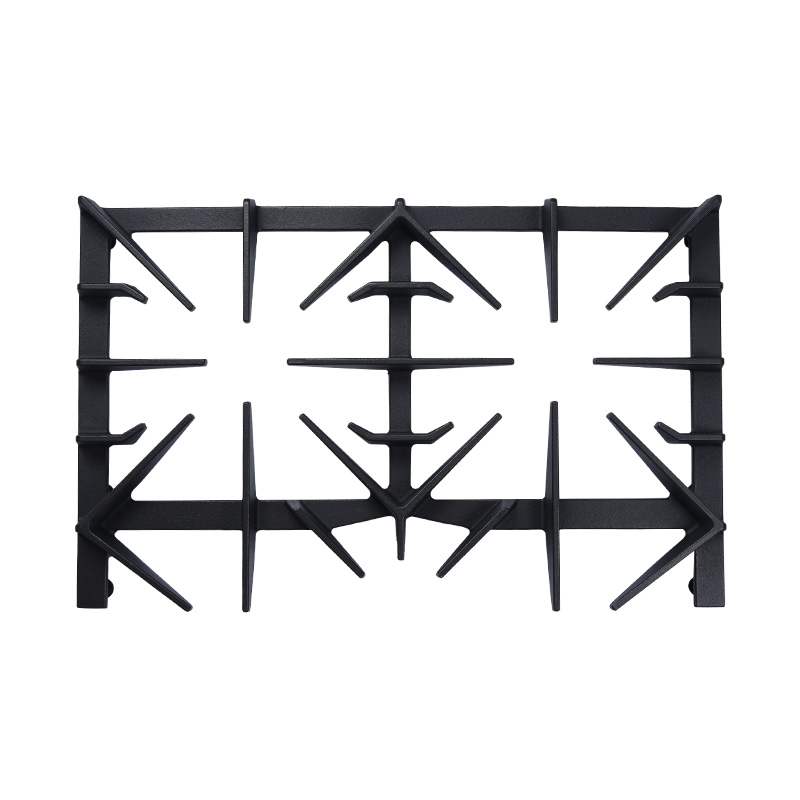
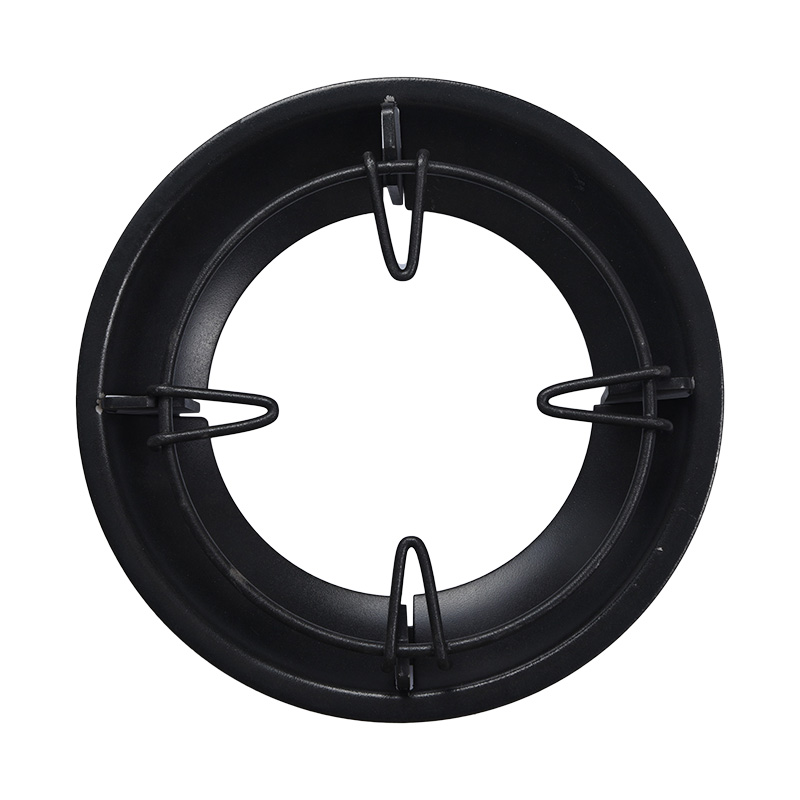
When comparing an enameled gas stove support to a bare cast iron gas stove support in terms of cleaning ease, enameled models are significantly easier to clean in everyday use. The smooth, non-porous enamel coating prevents food residue, grease, and burnt particles from bonding to the surface, meaning most spills wipe away with a damp cloth. Bare cast iron, while extremely durable, features a porous surface that traps grease and carbonized food debris, requiring more effort and specific cleaning methods to maintain. However, the right choice ultimately depends on your cooking habits, cookware type, and how much maintenance you are willing to invest.
This comparison is especially relevant if you regularly use a ceramic pan on gas stove setups, or if you are exploring whether can induction pans be used on gas stove burners with different support types — because the grate material directly affects how safely and stably your cookware sits during cooking.
An enameled gas stove support is coated with a layer of vitreous enamel — essentially fused glass — that creates a sealed, smooth surface over the underlying cast iron or steel base. This barrier fundamentally changes the cleaning dynamic in several ways:
In practical terms, a household that cooks daily can expect to spend roughly 3 to 5 minutes cleaning an enameled gas stove support after normal use, compared to significantly longer sessions for bare cast iron under the same conditions.
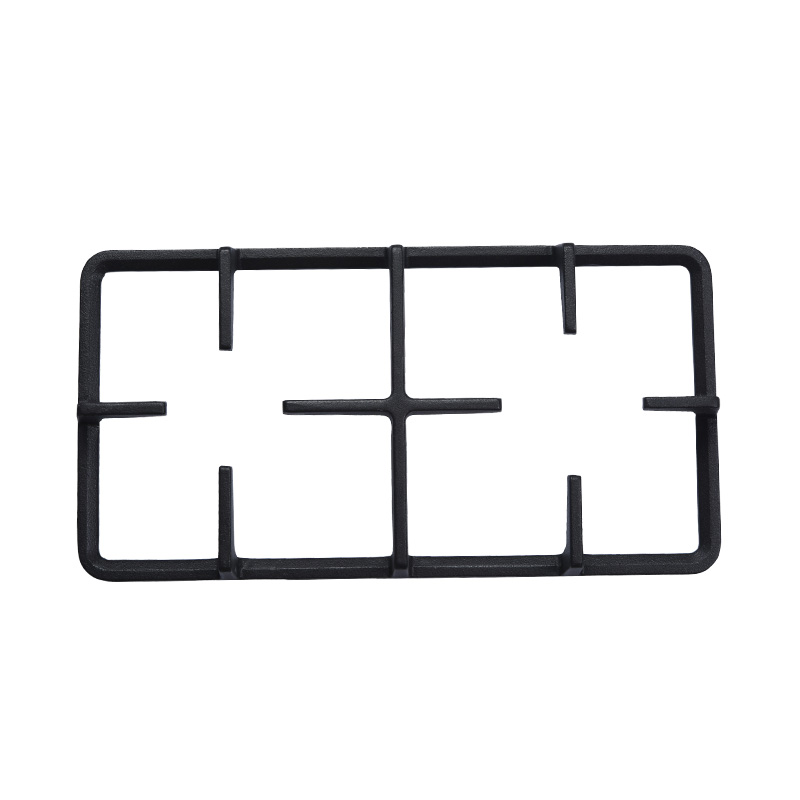
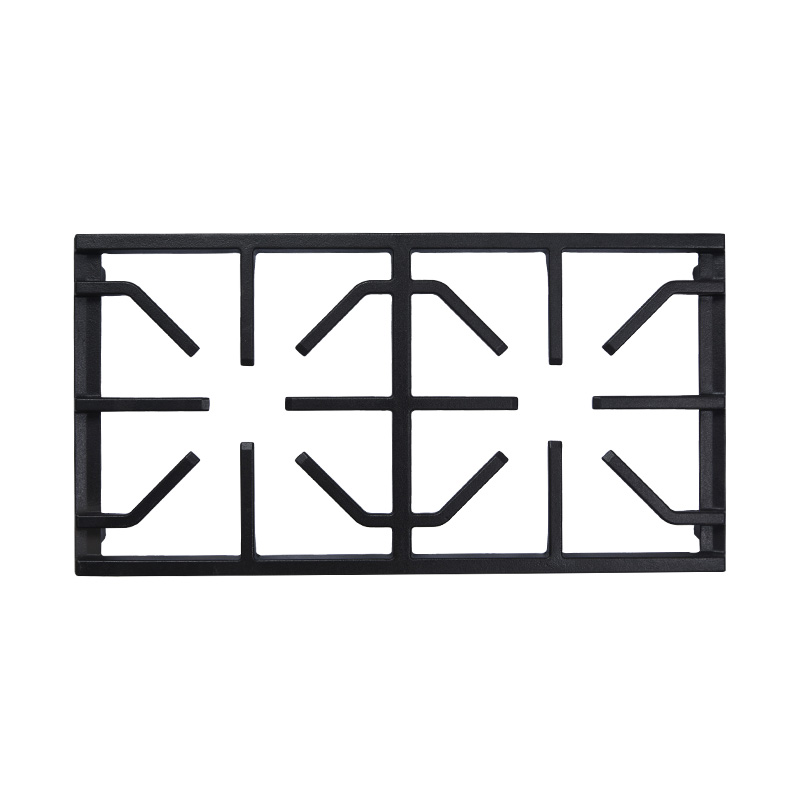
A bare cast iron gas stove support is uncoated and exposes the raw iron surface directly to heat, food, and moisture. The porous nature of cast iron means that:
That said, many professional cooks prefer bare cast iron gas stove supports precisely because the seasoned surface — built up over years of use — eventually becomes nearly as non-stick as enamel while offering superior heat retention and structural robustness.
The table below summarizes the key differences between enameled and bare cast iron gas stove supports across the most important performance and maintenance categories:
| Feature | Enameled Gas Stove Support | Bare Cast Iron Gas Stove Support |
|---|---|---|
| Cleaning Ease | High — wipe clean or dishwasher safe | Low — requires scrubbing and drying |
| Rust Resistance | Excellent | Poor without regular seasoning |
| Durability | Good (enamel can chip) | Excellent (virtually indestructible) |
| Maintenance Required | Minimal | Regular seasoning and oiling |
| Heat Retention | Moderate | Superior |
| Weight | Moderate to Heavy | Very Heavy |
| Cookware Compatibility | Works with all gas cookware types | Works with all gas cookware types |
| Ideal User | Home cooks seeking convenience | Serious cooks prioritizing performance |
Both grate types are fully compatible with standard gas cookware, but surface material matters when you use more delicate cookware. If you regularly place a ceramic pan on gas stove burners, the grate surface plays a role in preventing scratching or chipping of the pan's base. Enameled gas stove supports, with their smoother surface finish, are generally gentler on ceramic and glass-bottom cookware compared to the rougher texture of bare cast iron grates.
A common question among home cooks is: can induction pans be used on gas stove burners? The answer is yes — induction-compatible pans have a magnetic base but there is nothing preventing them from being used on a gas flame. Both enameled and bare cast iron gas stove supports will hold induction pans securely. However, enameled grates are preferable here because their smoother surface reduces the risk of scratching the flat magnetic base of induction-ready cookware, which can affect induction performance if you later switch back to an induction cooktop.
Over a 5-year period, the maintenance cost of a bare cast iron gas stove support includes the ongoing purchase of seasoning oils and occasional abrasive cleaning tools, but the grate itself is unlikely to need replacement. Enameled gas stove supports, on the other hand, may develop chips or cracks in the enamel layer if heavy pots are dropped on them or if thermal shock occurs — for example, placing a cold grate over a hot burner. Enamel chipping typically begins after 3 to 7 years of regular use depending on care level.
From a pure cost-of-ownership perspective, bare cast iron gas stove supports tend to last longer as a single purchase, while enameled versions offer lower ongoing time investment in cleaning and maintenance. For households that prioritize kitchen hygiene and fast cleanup, the enameled gas stove support delivers measurably better value in daily convenience.
The decision between an enameled and a bare cast iron gas stove support comes down to your priorities:
Enameled gas stove supports are the clear winner for cleaning ease, while bare cast iron gas stove supports hold the advantage in raw durability and long-term performance under heavy use. Understanding this trade-off will help you select the right gas stove support for your specific kitchen needs.

Come collaborate with us.

+86-13034673865


No. 5, Sunjiadifan, Shangtian Street, Fenghua District, Ningbo City, Zhejiang Province, China
Copyright © Ningbo Yisheng Machinery Co., Ltd. All Rights Reserved


 English
 中文简体
中文简体 Español
 русский