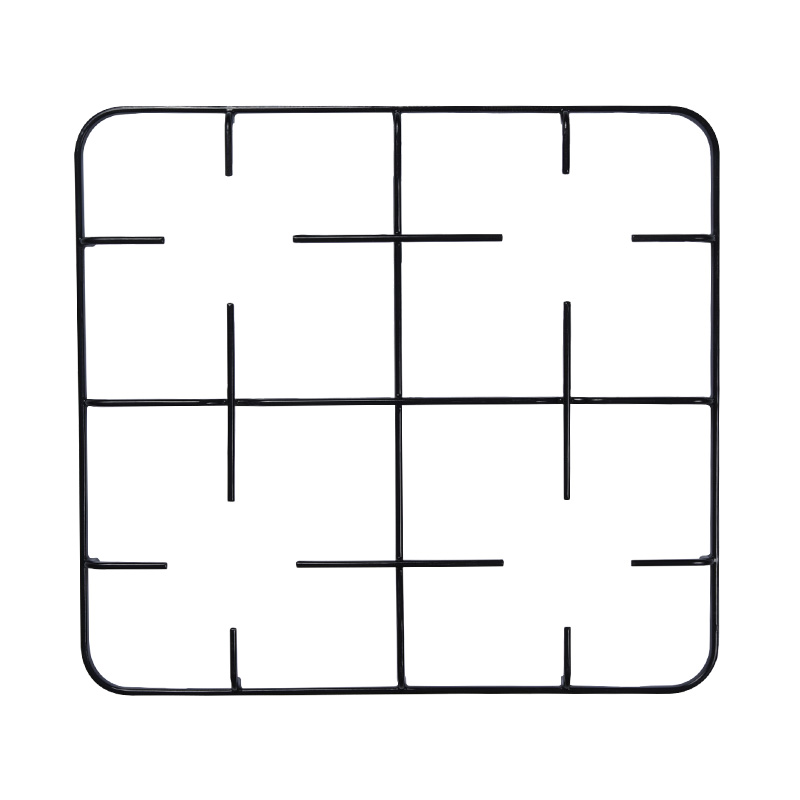
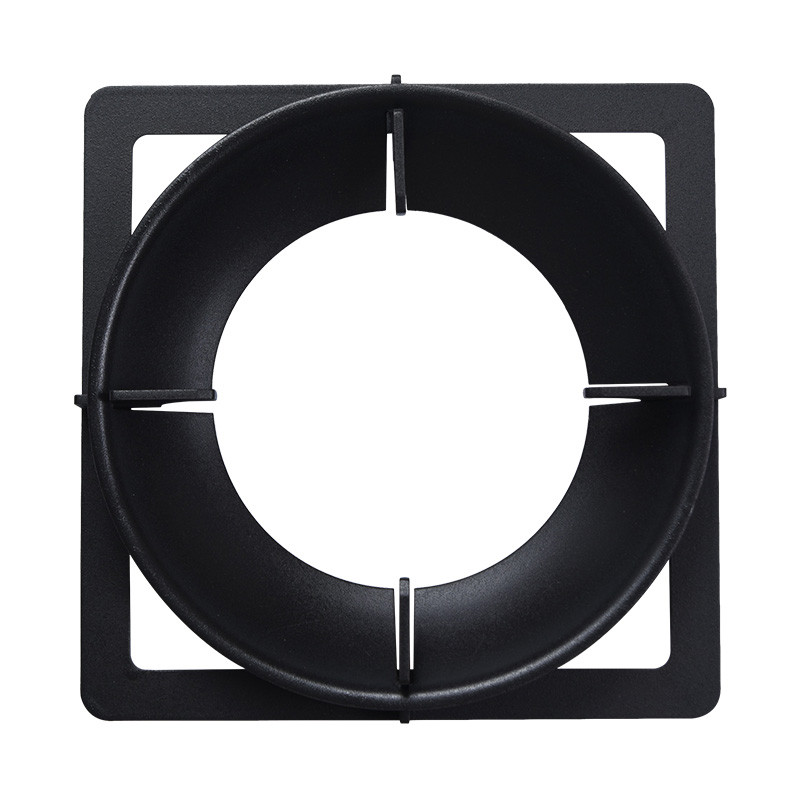
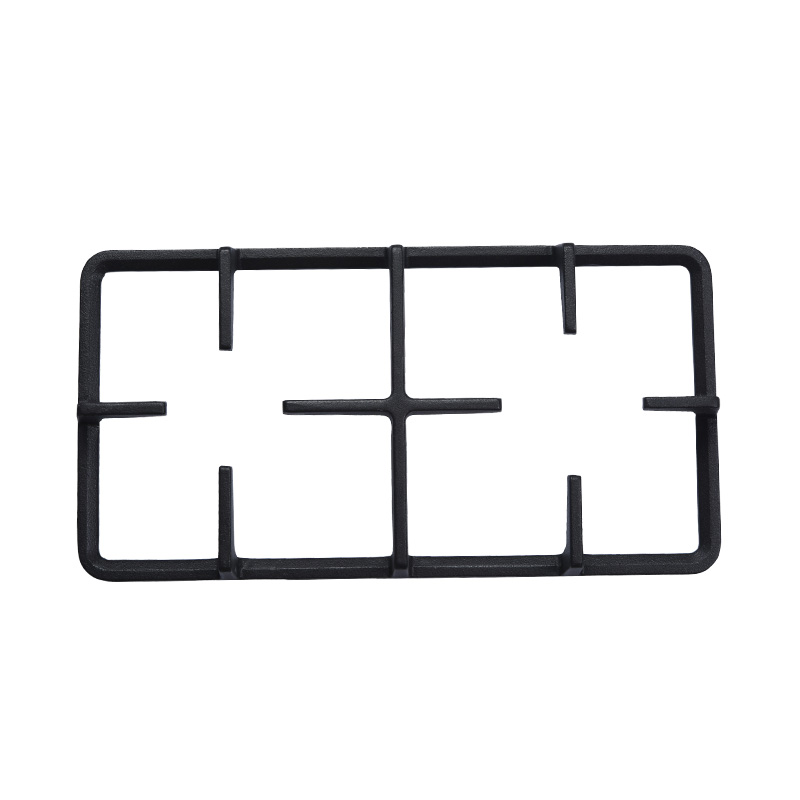
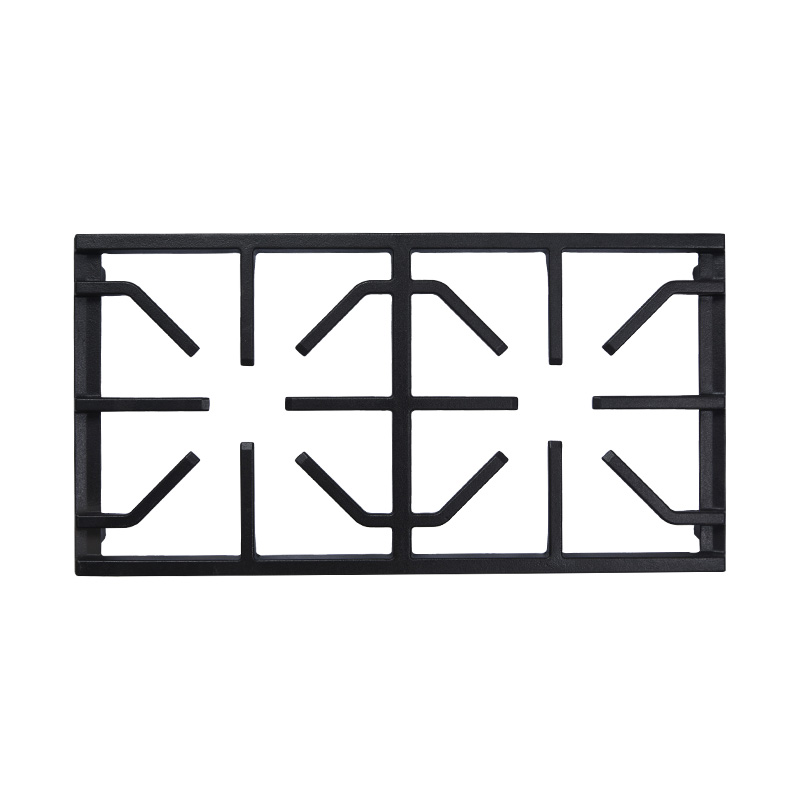
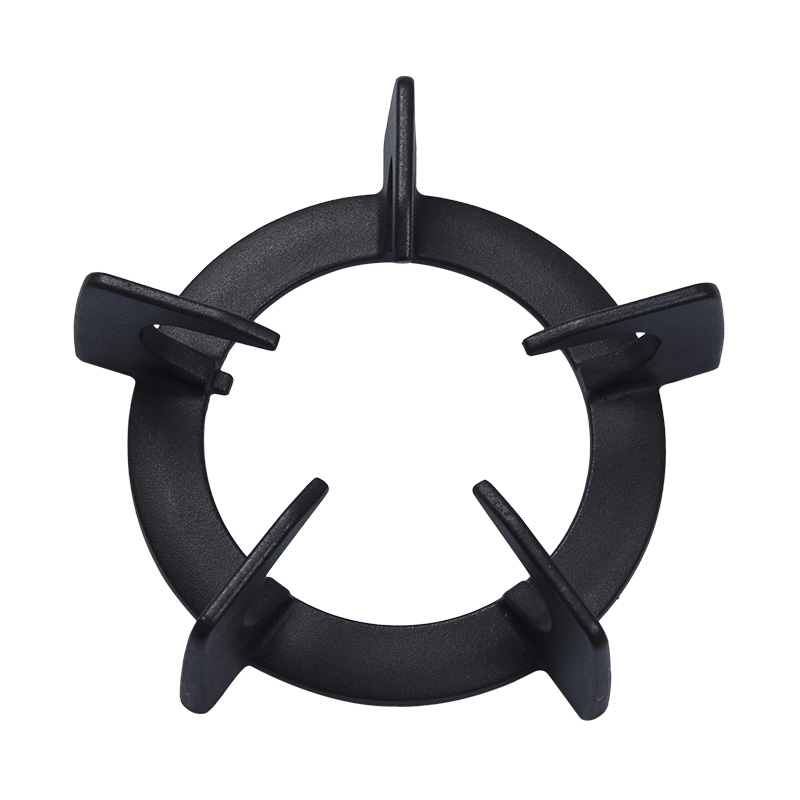
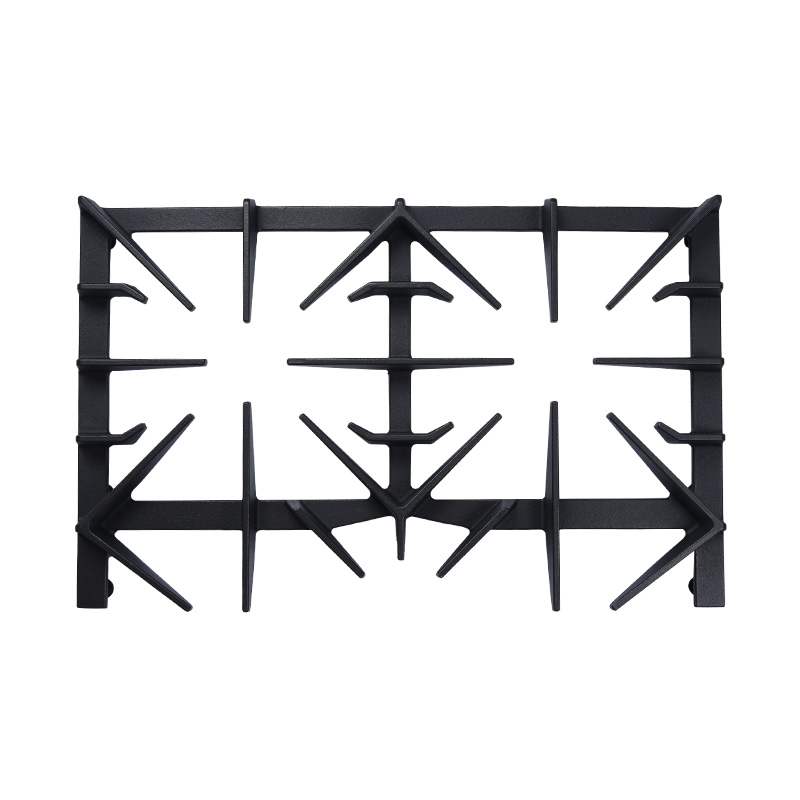
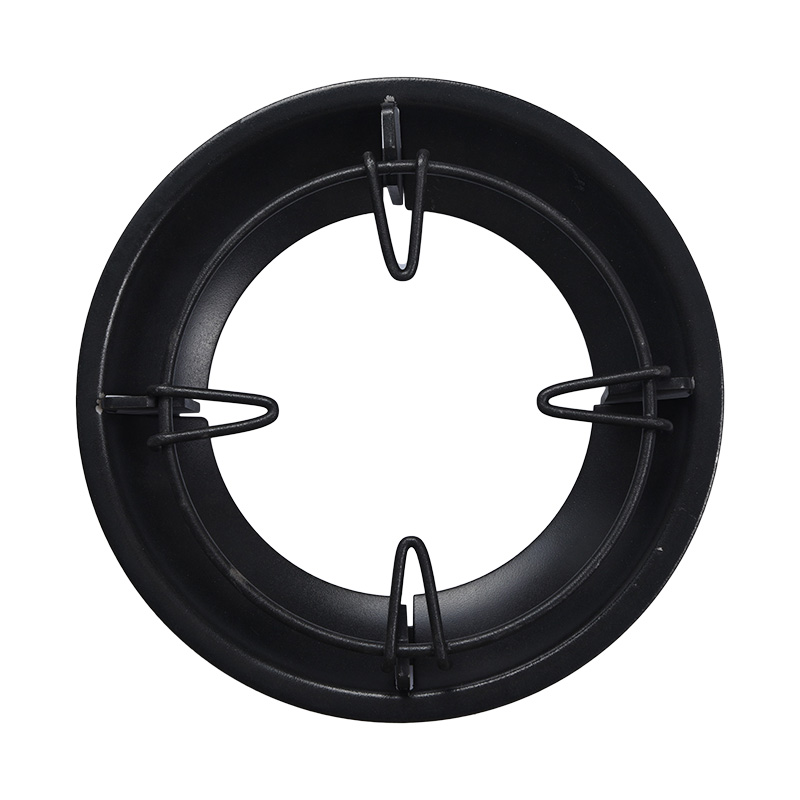
When comparing the long-term wear resistance of the Desktop Lpg Stove Support Cast Iron Base and the Desktop Lpg Stove Support Stainless Steel, the clear conclusion is that cast iron offers superior structural wear resistance under extreme heat and heavy load conditions, while stainless steel provides better corrosion resistance and lower surface degradation in humid or frequently cleaned environments.
In practical terms, if the application involves continuous heavy cookware use on a stove pan support or gas cooktop pan support, cast iron tends to maintain shape stability longer. However, if the usage environment includes moisture, frequent washing, or exposure to acidic residues, stainless steel maintains its surface integrity more effectively over time.
The long-term durability of a Desktop LPG stove support is strongly influenced by material composition. Cast iron is known for its dense crystalline structure, which provides excellent compressive strength. In many tests, cast iron components can withstand loads exceeding 150–200 kg of distributed pressure without permanent deformation, making it ideal for heavy-duty cooking environments.
On the other hand, stainless steel used in gas cooktop pan support systems typically contains chromium and nickel, improving corrosion resistance but slightly reducing hardness compared to cast iron. Stainless steel supports generally withstand 100–150 kg of load capacity while maintaining structural integrity over long periods.
While cast iron is more rigid, it is also more brittle under impact. Stainless steel is more flexible, which reduces cracking risk in accidental drops or uneven cookware placement.
Heat exposure is one of the most important factors affecting stove pan support longevity. Cast iron performs exceptionally well under sustained high temperatures, often tolerating continuous exposure above 600°C without structural weakening. This makes it highly suitable for intensive cooking environments where heat cycles are frequent.
Stainless steel, while also heat-resistant, typically begins to show minor discoloration and surface oxidation at temperatures above 500–550°C. Although this does not immediately affect function, long-term exposure can lead to aesthetic wear and reduced surface smoothness.
In real-world usage of a stove pan support system, cast iron maintains rigidity during prolonged simmering or high-flame cooking, whereas stainless steel offers more stable performance in moderate heat environments.
One of the most significant differences between these materials is corrosion resistance. Cast iron is highly prone to rust if not properly coated or maintained. In environments with humidity above 60%, untreated cast iron can show visible oxidation within days.
Stainless steel, however, contains chromium that forms a passive protective layer. This allows it to resist rust even in kitchens with frequent washing and exposure to water vapor. For users who regularly clean their gas cooktop pan support, stainless steel provides a clear advantage in long-term surface preservation.
In home kitchens using a stove pan support for daily frying, boiling, and steaming, both materials perform adequately. However, their longevity differs depending on usage intensity. Cast iron supports typically last 10–20 years with proper maintenance, while stainless steel supports often last 8–15 years depending on cleaning frequency and load conditions.
| Feature | Cast Iron Base | Stainless Steel |
|---|---|---|
| Load Capacity | 150–200 kg | 100–150 kg |
| Heat Resistance | Up to 600°C+ | Up to 550°C |
| Corrosion Resistance | Low | High |
| Average Lifespan | 10–20 years | 8–15 years |
This comparison shows that while cast iron dominates in raw durability, stainless steel provides more balanced performance in modern kitchens where maintenance convenience matters.
Maintenance plays a critical role in determining how long a Desktop Lpg Stove Support Cast Iron Base or Stainless Steel version lasts. Cast iron requires periodic seasoning or protective oil layers to maintain its resistance against oxidation. Without maintenance, its wear resistance can decrease by up to 40% over time due to rust formation.
Stainless steel, by contrast, requires minimal maintenance. Regular wiping and mild detergent cleaning are usually sufficient to maintain its surface quality. This makes it especially suitable for users who prioritize low-maintenance stove pan support systems.
For users prioritizing maximum structural durability and high-heat endurance in a gas cooktop pan support, the cast iron option is the stronger long-term performer. However, for environments where moisture, cleaning frequency, and corrosion resistance are key concerns, stainless steel is the more practical and sustainable choice.
The decision depends on whether the priority is maximum mechanical strength (cast iron) or low-maintenance corrosion resistance (stainless steel).

Come collaborate with us.

+86-13034673865


No. 5, Sunjiadifan, Shangtian Street, Fenghua District, Ningbo City, Zhejiang Province, China
Copyright © Ningbo Yisheng Machinery Co., Ltd. All Rights Reserved


 English
 中文简体
中文简体 Español
 русский