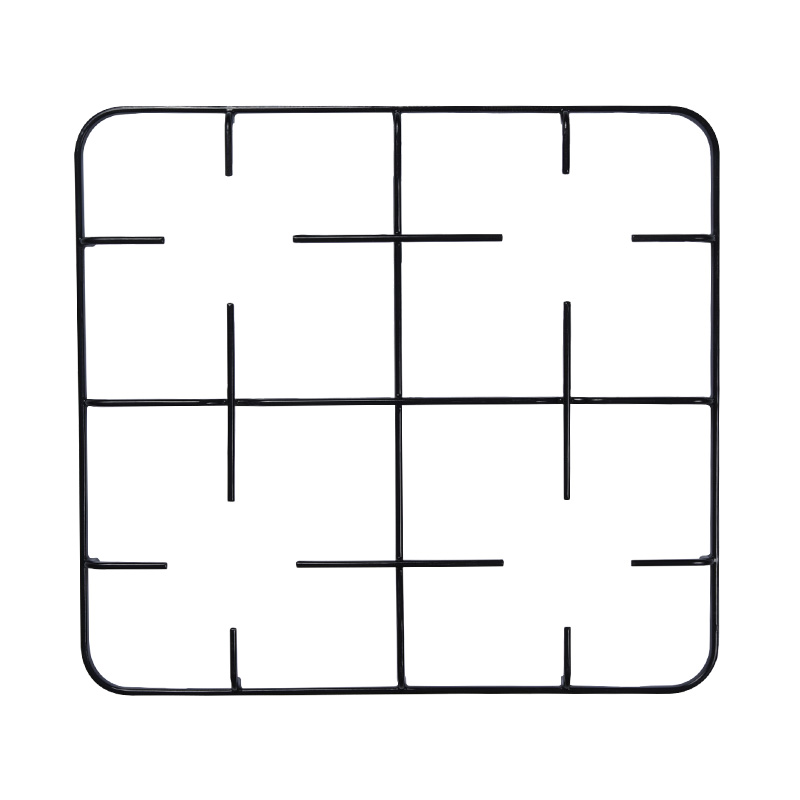
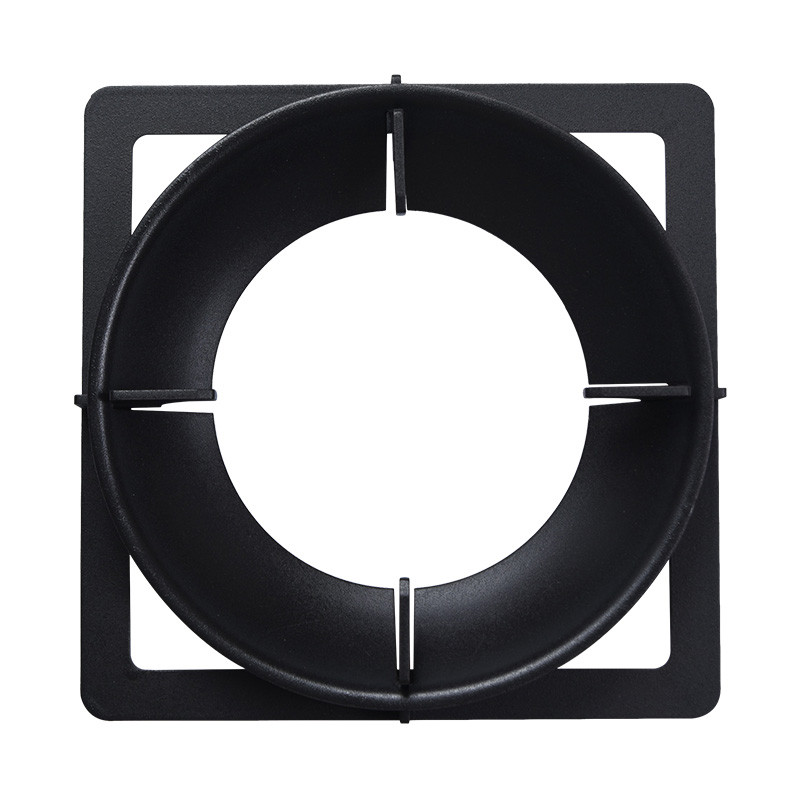
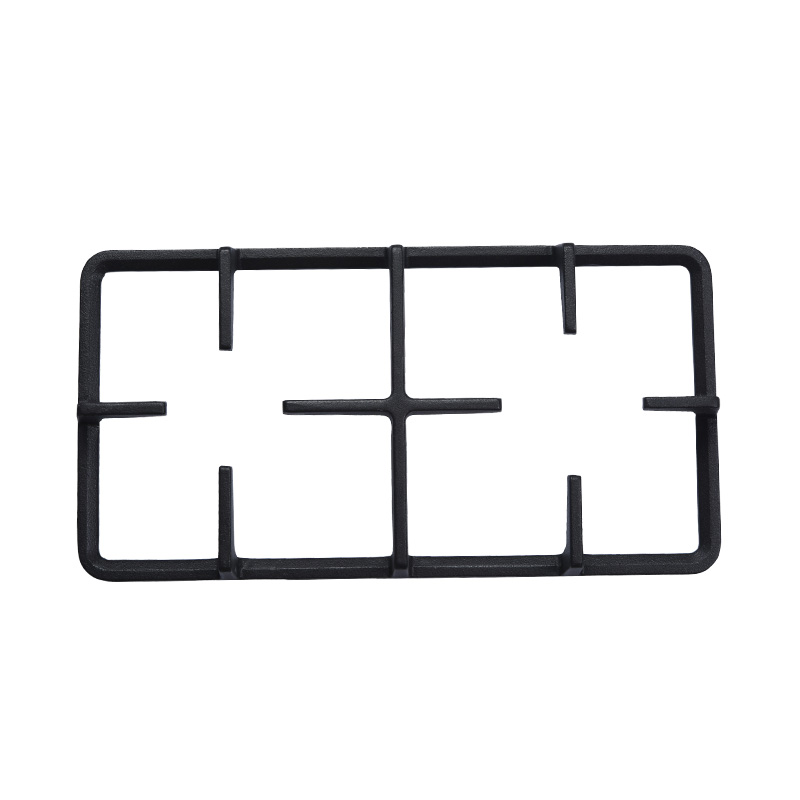
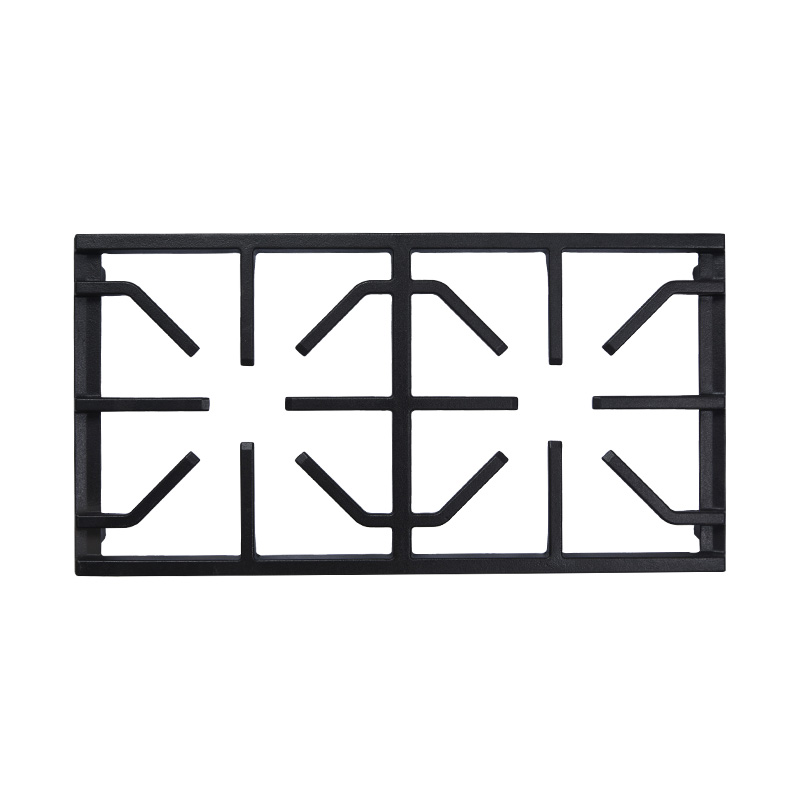
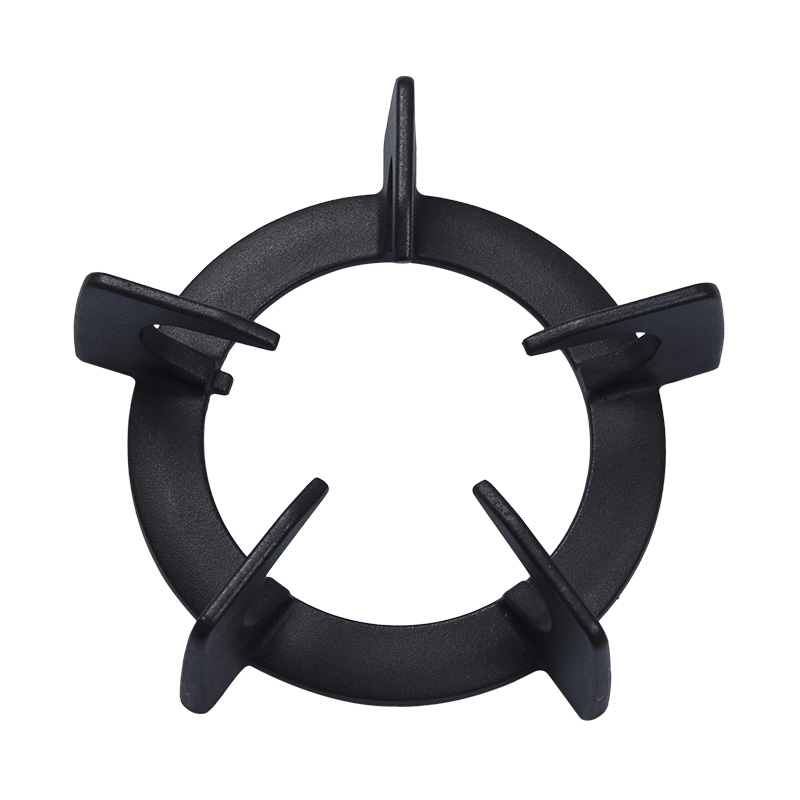
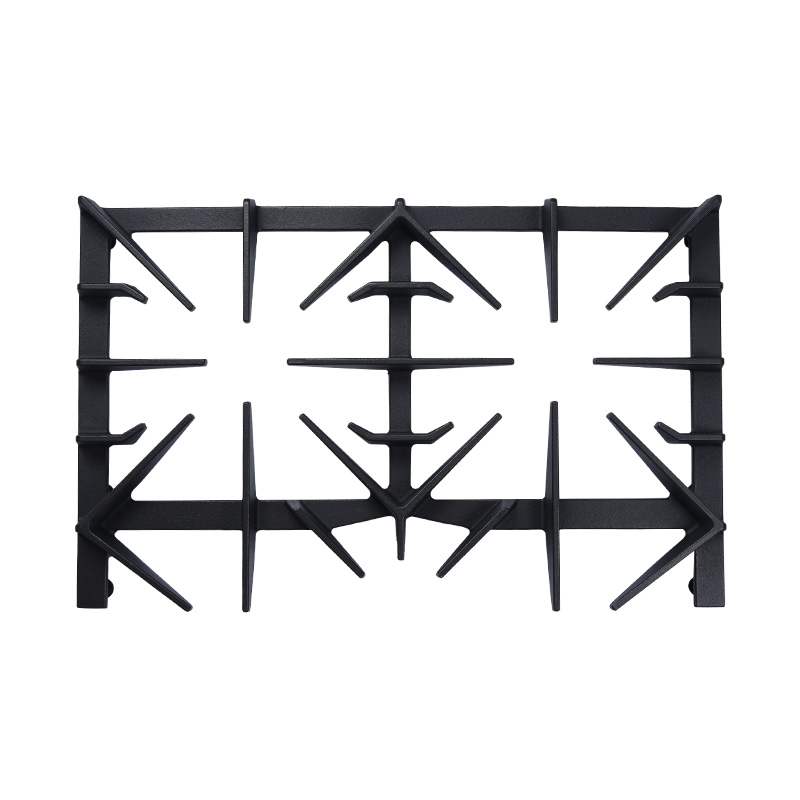
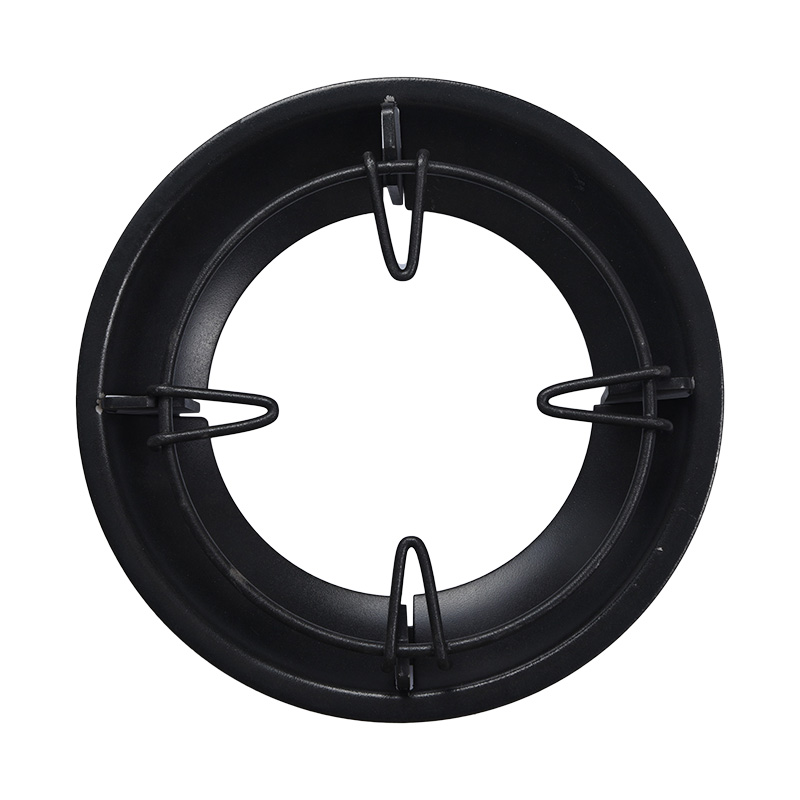
Grid and Arm Structure Optimization: The structural design of Cast Iron Pan Supports—whether utilizing lattice grids, multiple arms, or continuous loop designs—has a significant impact on how flames interact with cookware during cooking. Well-designed supports ensure that the weight of the cookware is distributed evenly across the support while allowing flames from the burner to reach the base of the pot or pan without obstruction. Open lattice or arm spacing allows maximum exposure of flames to the cookware, ensuring uniform heat application and preventing hotspots. This is particularly important on high-output burners, where uneven flame exposure can compromise cooking efficiency, and on simmer burners, where controlled flame contact is essential to maintain precise temperature levels. By balancing structural rigidity with flame accessibility, the pan supports ensure optimal heat transfer and stable cooking performance.
Cookware Contact and Stability: The shape, width, and number of contact points in Cast Iron Pan Supports influence both cookware stability and flame exposure. Wider, thicker arms provide a solid base for heavy or large pots but can partially shield flames if not carefully spaced, while narrower or tapered arms allow better flame penetration beneath the cookware. Properly engineered contact points prevent rocking, tilting, or sliding of cookware, which not only enhances user safety but also ensures that the flame consistently contacts the base for efficient heat transfer. Stable cookware prevents intermittent flame obstruction, minimizes heat loss, and allows burners to operate at their intended efficiency, particularly for high-BTU burners or specialized cooking applications such as woks and griddles.
Heat Conduction and Retention: Cast iron is a material with excellent thermal mass and heat retention properties. Cast Iron Pan Supports absorb heat from the burner and conduct it across the support surface, delivering additional warmth to the base of the cookware. The geometry of the pan support—including arm thickness, spacing, and lattice pattern—optimizes heat conduction without causing overheating at specific points. This controlled heat distribution prevents rapid temperature fluctuations that can destabilize flames or cause uneven cooking. By acting as a thermal buffer, cast iron supports promote consistent flame performance, smooth cooking processes, and improved energy efficiency.
Airflow and Combustion Efficiency: Proper airflow beneath the cookware is essential for complete combustion and flame stability on gas burners. The spacing between the arms of Cast Iron Pan Supports allows oxygen to circulate freely around the flame, supporting efficient fuel combustion and minimizing the formation of soot or incomplete burning. Poorly designed supports that obstruct airflow can create turbulence, causing flickering flames, uneven heat distribution, and wasted energy. Optimized designs ensure that sufficient oxygen reaches the flame while maintaining robust support for cookware, enhancing combustion efficiency, reducing fuel consumption, and ensuring stable flames across different burner types, whether low-heat simmer settings or high-heat searing flames.
Burner Compatibility and Design Adaptability: Cast Iron Pan Supports must accommodate a wide range of burner types, including single-ring, multi-ring, dual-ring, or high-output wok burners. Arm spacing, support geometry, and overall shape are carefully designed to allow flames from multiple burner rings to contact the cookware base evenly. This prevents heat concentration at the center or edges and ensures that the cookware is uniformly heated, maximizing thermal efficiency. Pan supports with adaptable designs enable consistent cooking performance across various burner types, maintaining stable flame patterns and energy efficiency regardless of the size or shape of the pot or pan.
Vibration and Movement Minimization: Flame stability is directly influenced by the stability of the cookware on the support. Cast Iron Pan Supports are designed with sufficient rigidity and balanced weight distribution to prevent cookware from rocking, sliding, or tilting during use. Reduced movement prevents intermittent obstruction of the flame and ensures that heat is applied evenly to the cookware base. By minimizing vibration and movement, these pan supports enhance burner efficiency, maintain consistent cooking temperatures, and contribute to safer cooking conditions, particularly when handling heavy or large cookware.

Come collaborate with us.

+86-13034673865


No. 5, Sunjiadifan, Shangtian Street, Fenghua District, Ningbo City, Zhejiang Province, China
Copyright © Ningbo Yisheng Machinery Co., Ltd. All Rights Reserved


 English
 中文简体
中文简体 Español
 русский