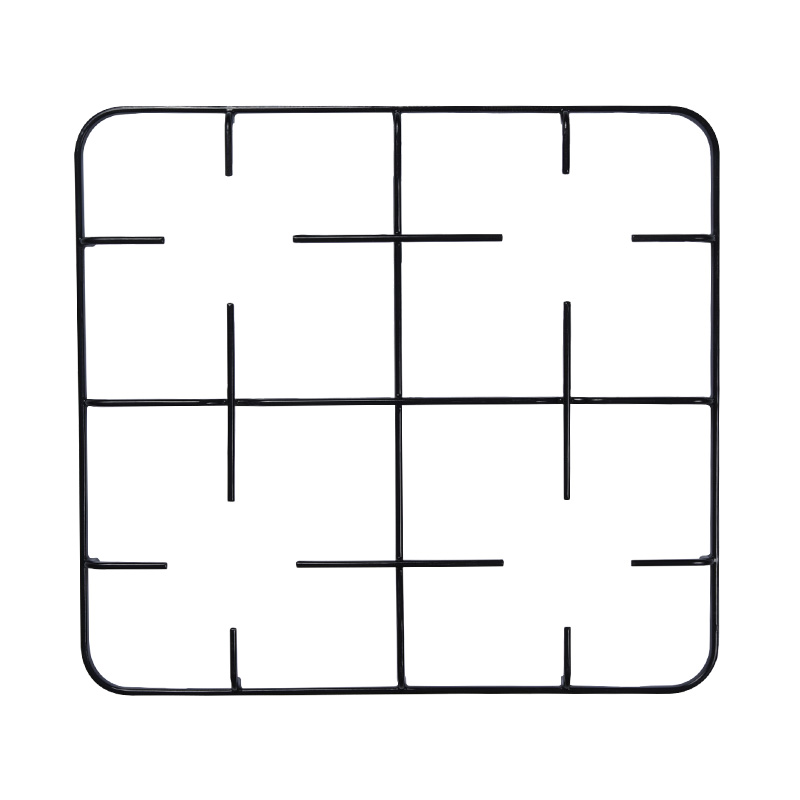
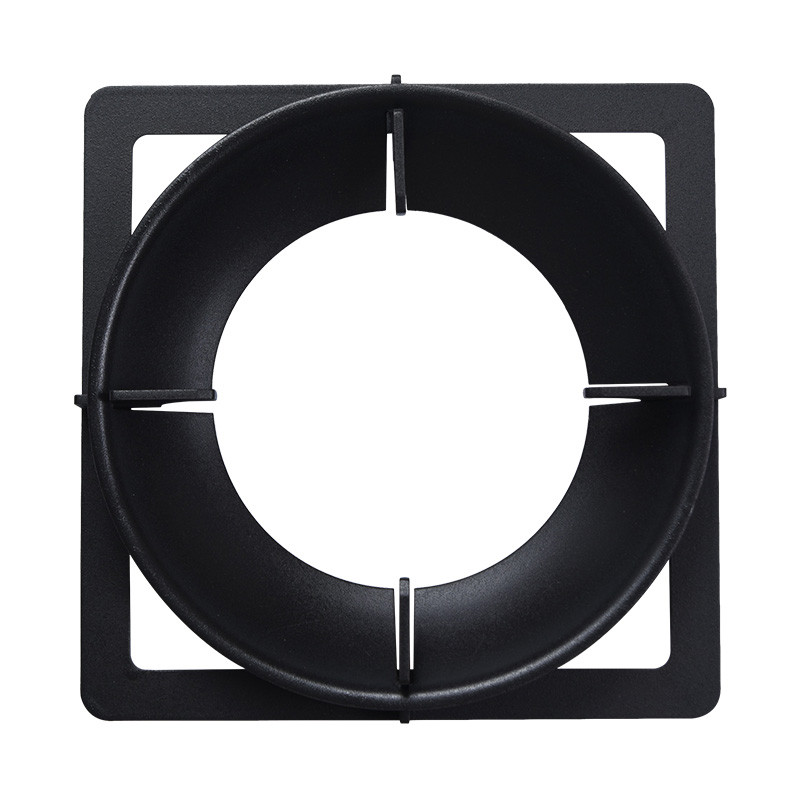
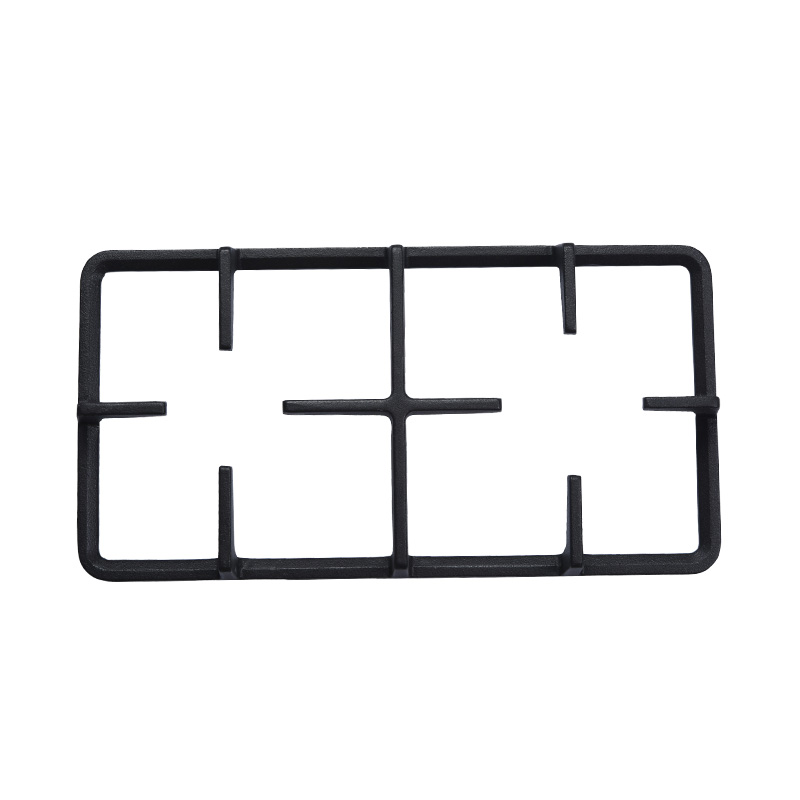
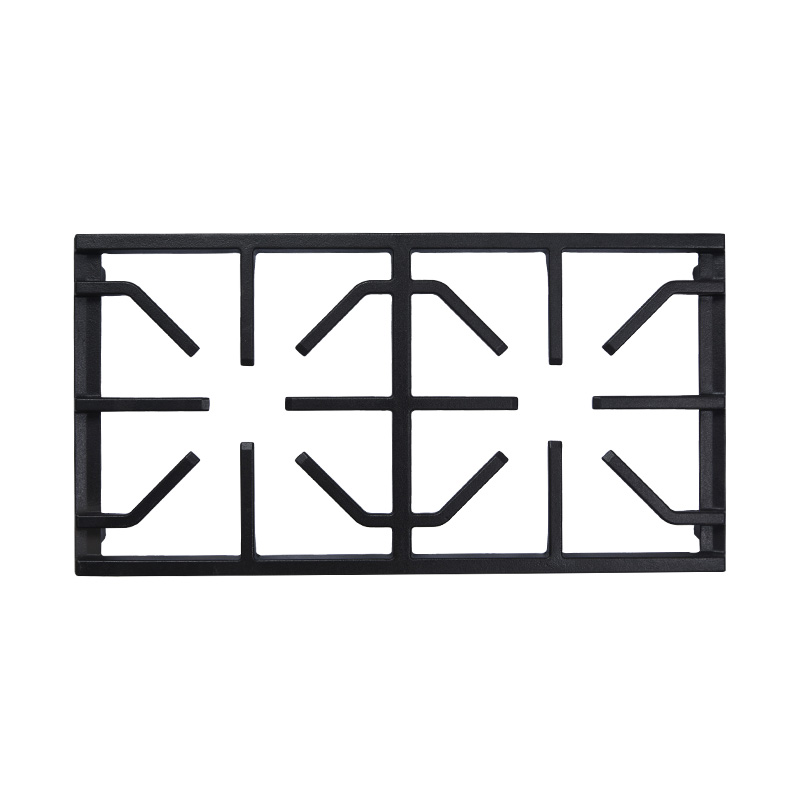
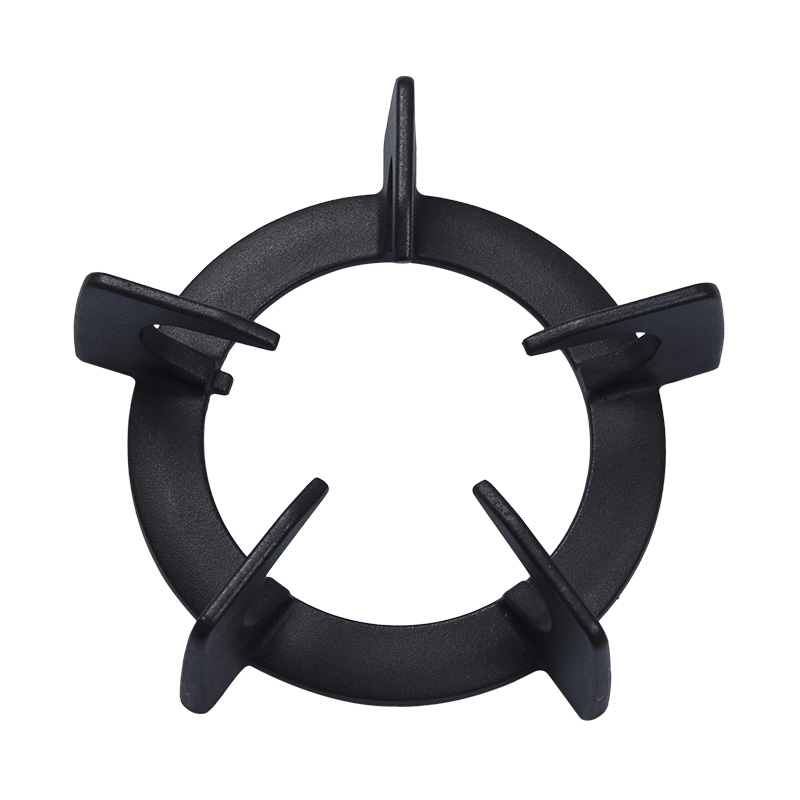
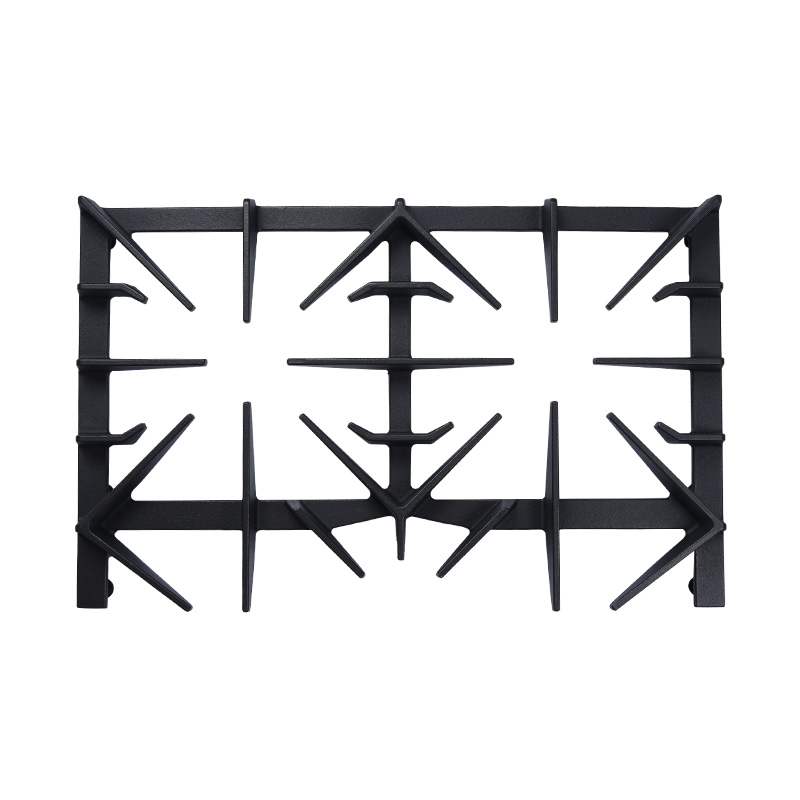
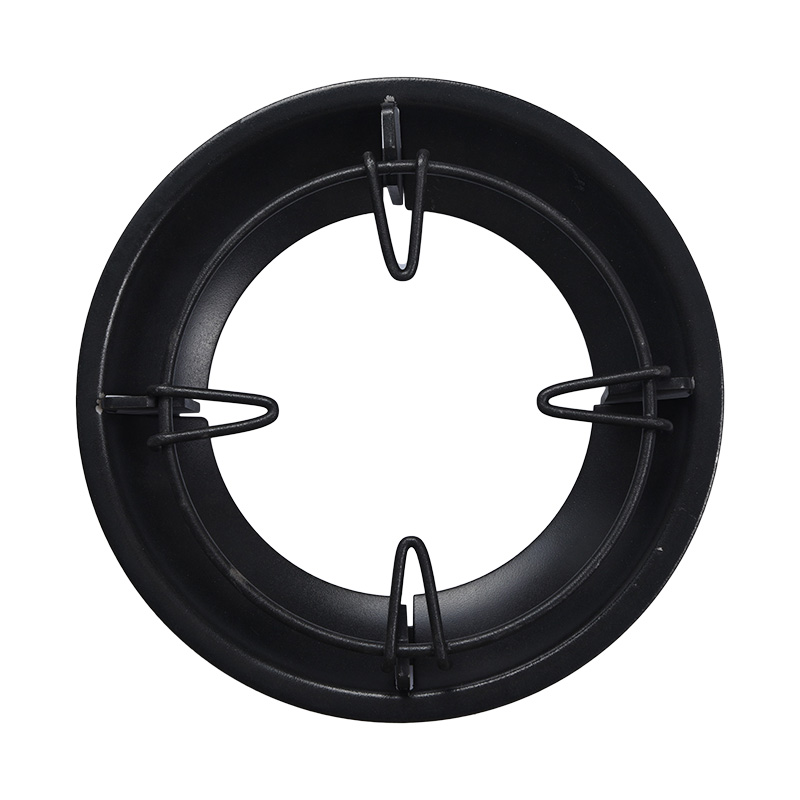
The design of a Wire Stove Pan Support significantly affects how heat is transferred from the stove burner to the cookware. A well-designed pan support ensures even heat distribution, minimizing hotspots that can cause food to cook unevenly. The placement, thickness, and material of the wires all contribute to thermal conductivity and stability, which directly impacts cooking efficiency and performance.
Most wire pan supports are made from materials such as cast iron, stainless steel, or coated steel. Each material conducts heat differently. For example:
Choosing the right material is crucial for maintaining consistent temperature across the cookware surface, especially during precision cooking tasks.
The spacing between the wires determines how heat flows under the cookware. Narrow spacing ensures that the pot or pan rests evenly, promoting uniform heat distribution. In contrast, wider gaps can lead to:
Optimal spacing is typically 1–2 cm between wires for standard domestic cookware, balancing heat distribution and stability.
Wire stove pan supports can have various patterns, such as cross grids, concentric rings, or linear bars. These patterns influence how flames or heat radiate:
Selecting the right design pattern is critical for cooking performance, particularly for simmering, frying, or baking applications.
An effectively designed wire pan support can improve cooking efficiency by 10–15% by ensuring heat reaches the cookware uniformly. Uneven heat can cause:
High-quality supports ensure consistent flame contact and maintain the intended temperature, which is particularly important for precision cooking or commercial kitchens.
The thickness of the wire affects both heat retention and structural integrity:
For standard home cooking, wires of 5–8 mm diameter provide a balance between heat retention and durability.
| Design | Heat Distribution | Cookware Stability | Best Use |
|---|---|---|---|
| Cross Grid | Even | High | All-purpose cooking |
| Concentric Rings | Center-focused | Medium | Small pans or boiling |
| Linear Bars | Uneven | Medium | Grilling or high-flame cooking |
The design of the Wire Stove Pan Support directly impacts heat distribution, cookware stability, and cooking efficiency. Key factors include wire material, spacing, thickness, and pattern. By selecting an appropriate pan support design, users can achieve more uniform cooking, reduce energy waste, and maintain better control over temperature-sensitive dishes.

Come collaborate with us.

+86-13034673865


No. 5, Sunjiadifan, Shangtian Street, Fenghua District, Ningbo City, Zhejiang Province, China
Copyright © Ningbo Yisheng Machinery Co., Ltd. All Rights Reserved


 English
 中文简体
中文简体 Español
 русский