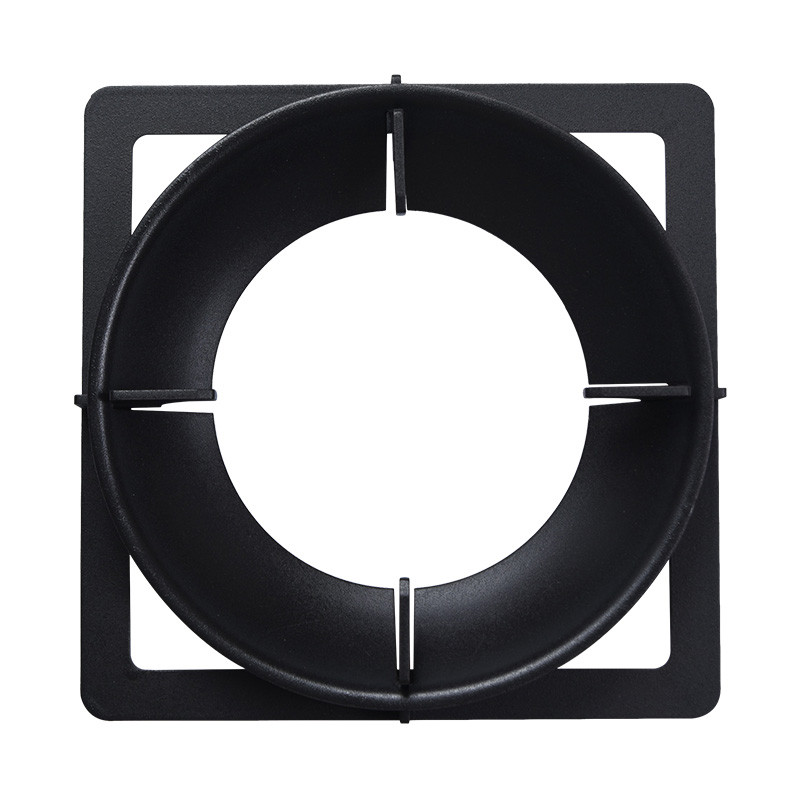
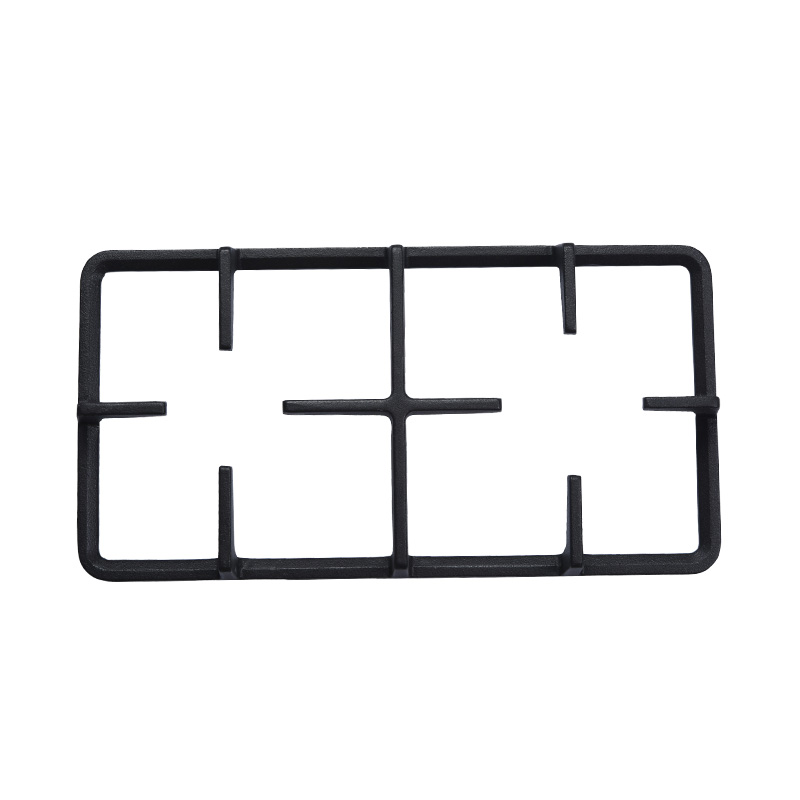
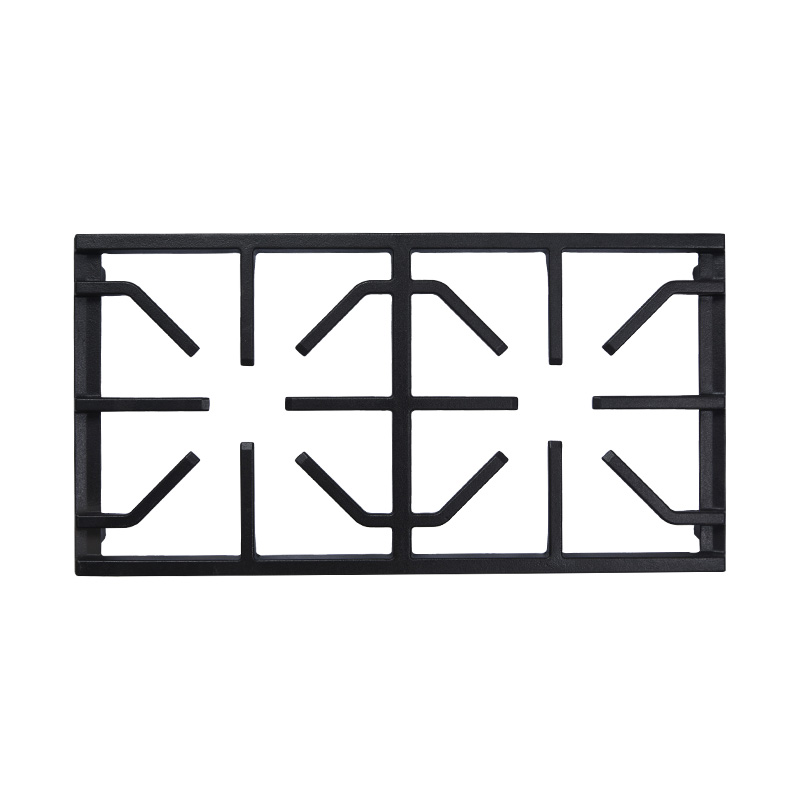
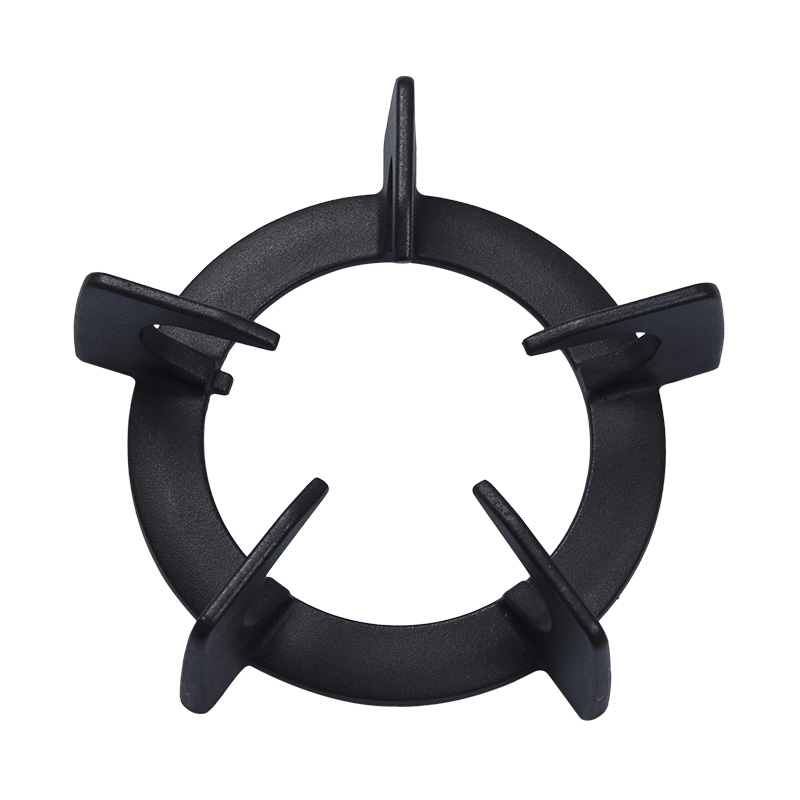
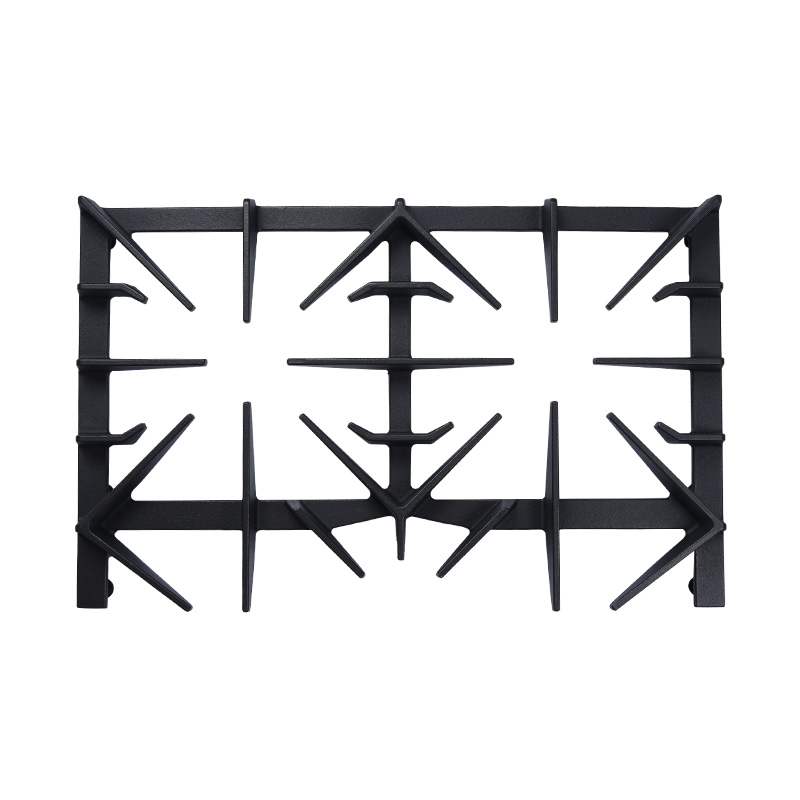
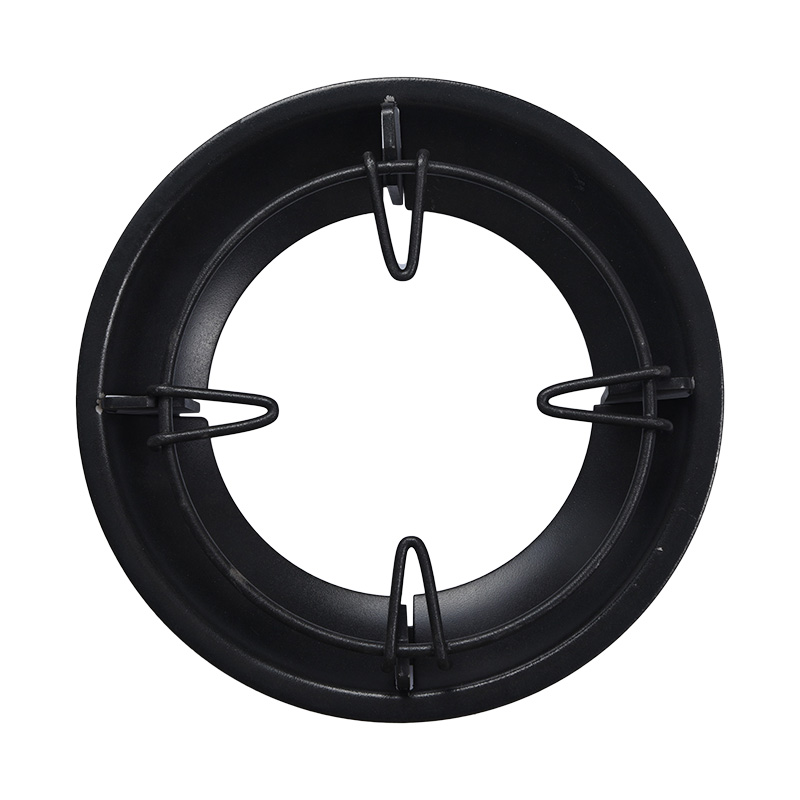
When comparing grill materials, a cast iron grill retains heat significantly better than both stainless steel and aluminum grills. Cast iron can hold and distribute thermal energy for extended periods, making it the superior choice for high-heat searing, even cooking, and outdoor grilling in variable weather conditions. Much like the ongoing debate of skillet vs grill pan — where each tool serves a distinct culinary purpose — the choice between cast iron, stainless steel, and aluminum grills ultimately comes down to your specific cooking priorities. While stainless steel heats up moderately and aluminum heats up the fastest, neither material can match the thermal mass and heat retention performance of a cast iron grill.
Heat retention is directly tied to a material's thermal mass — its ability to absorb, store, and slowly release heat. A cast iron grill has an exceptionally high thermal mass due to its density and thickness. This means once it reaches cooking temperature, it holds that temperature steadily even when cold food is placed on its surface.
In contrast, stainless steel has moderate thermal mass, and aluminum has very low thermal mass. This difference has a direct and measurable impact on cooking results. For example, placing a cold 200g steak on a cast iron grill causes a surface temperature drop of roughly 10–20°F, while the same steak on an aluminum grill can cause a drop of 50–80°F — enough to shift the cooking from searing to steaming, producing inferior results. This same thermal principle applies when you use a pizza pan on grill setups: a cast iron-based pizza pan placed on a grill maintains the consistent base heat needed to crisp the dough properly, while a thin aluminum pizza pan struggles to hold enough heat for an evenly cooked crust.
The table below summarizes the key thermal and practical differences between a cast iron grill and its two most common competitors:
| Property | Cast Iron Grill | Stainless Steel Grill | Aluminum Grill |
|---|---|---|---|
| Heat Retention | Excellent | Moderate | Poor |
| Heat-Up Speed | Slow (8–10 min) | Medium (4–6 min) | Fast (2–3 min) |
| Thermal Conductivity | Low (55 W/m·K) | Medium (16 W/m·K) | High (205 W/m·K) |
| Searing Performance | Superior | Good | Below Average |
| Weight | Heavy (4–7 kg) | Medium (1.5–3 kg) | Light (0.5–1.5 kg) |
| Durability | Decades with care | 10–20 years | 5–10 years |
| Maintenance Required | High (seasoning) | Low | Low |
A cast iron grill typically requires 8 to 10 minutes of preheating to reach optimal cooking temperature — usually between 400°F and 500°F (204°C–260°C). However, once that temperature is achieved, it remains remarkably stable. This stability is the defining advantage of cast iron over other materials.
Understanding how to use a grilling pan made of cast iron is essential to unlocking this performance advantage. The key is always a thorough preheat: place the cast iron grill over medium heat and allow it to warm gradually for at least 8 minutes before increasing to your target temperature. Rushing this step leads to uneven hot spots and poor searing results — a mistake equally common among users of cast iron grills and flat grilling pans alike.
When used for steak, burgers, or bone-in chicken pieces, the sustained surface heat of a cast iron grill delivers the Maillard reaction more effectively — the chemical process responsible for the browned, flavorful crust prized in grilled meats. Aluminum, despite its fast heating, cannot sustain this reaction consistently because its surface temperature fluctuates too rapidly with each load of food.
Stainless steel grills perform better than aluminum in this regard, but they still fall short of cast iron. Stainless steel's lower thermal mass means that cooking a batch of multiple items simultaneously can lead to noticeable temperature inconsistencies across the grill surface — something a seasoned cast iron grill handles with far greater reliability.
Heat distribution and heat retention are related but distinct properties. A common misconception is that cast iron distributes heat evenly — in reality, cast iron distributes heat more slowly but retains it more uniformly once stabilized. This is why a proper preheat phase is critical when using a cast iron grill.
Aluminum's thermal conductivity of approximately 205 W/m·K means heat moves through the material rapidly and evenly. However, this also means heat escapes just as quickly. For delicate foods or recipes requiring a brief burst of heat, aluminum may be adequate — but for grilling applications demanding sustained contact heat, it struggles significantly.
Stainless steel, with a conductivity of roughly 16 W/m·K, sits between cast iron and aluminum. It heats more unevenly than aluminum but retains heat better. Many professional outdoor grills use stainless steel grates for their balance of durability and ease of maintenance, but users who prioritize superior searing and heat consistency frequently upgrade to cast iron grill inserts.
With a thermal conductivity of around 55 W/m·K, a cast iron grill conducts heat more slowly than both alternatives. However, its high density means it stores a large quantity of thermal energy. Once fully preheated, a cast iron grill loses temperature very slowly — often maintaining cooking-level heat for 20–30 minutes after the heat source is removed, a feat neither stainless steel nor aluminum can replicate.
The heat retention of a cast iron grill translates into several tangible benefits that affect cooking outcomes on a daily basis. Knowing how to use a cast iron griddle properly — preheating slowly, applying a thin oil layer, and avoiding sudden temperature changes — applies equally to cast iron grill pans and maximizes every one of these advantages:
While the cast iron grill excels in heat retention, there are situations where stainless steel or aluminum grills may be the more practical choice:
The material debate extends well beyond grills. The ongoing comparison of carbon steel vs cast iron wok offers a highly instructive parallel for understanding how these two iron-based materials behave under high-heat cooking conditions. A carbon steel wok heats up faster and is significantly lighter than a cast iron wok, but it cannot retain heat as effectively when cooking large volumes of food — exactly mirroring the trade-offs seen between cast iron grills and their lighter competitors.
Professional chefs who use high-BTU burners often prefer carbon steel woks because the external heat source compensates for lower heat retention. In home kitchens with standard burners, however, a cast iron wok — much like a cast iron grill — delivers more consistent results because it does not depend on the burner to maintain temperature during cooking. This same logic applies directly to grill selection: the less powerful or consistent your heat source, the more valuable cast iron's heat retention capability becomes.
From a long-term investment perspective, a cast iron grill offers exceptional value despite its higher upfront cost. With proper seasoning and care, a cast iron grill can last 50 years or more — far outlasting both stainless steel and aluminum alternatives. Many cast iron grills are passed down through generations, their cooking surface only improving over time as layers of seasoning build up.
By contrast, even premium stainless steel grills may show pitting, warping, or surface degradation within 10 to 15 years of regular use. Aluminum grills, particularly at the lower price points, may warp under sustained high heat, shortening their usable lifespan considerably.
For users who grill regularly — particularly those who prioritize searing quality, cooking consistency, and durability — a cast iron grill represents the highest-performing and most cost-effective material choice over the long term. The trade-offs in weight and maintenance are real but manageable, and for most serious home cooks, the performance advantages far outweigh the inconveniences.

Come collaborate with us.

+86-13034673865


No. 5, Sunjiadifan, Shangtian Street, Fenghua District, Ningbo City, Zhejiang Province, China
Copyright © Ningbo Yisheng Machinery Co., Ltd. All Rights Reserved


 English
 中文简体
中文简体 Español
 русский