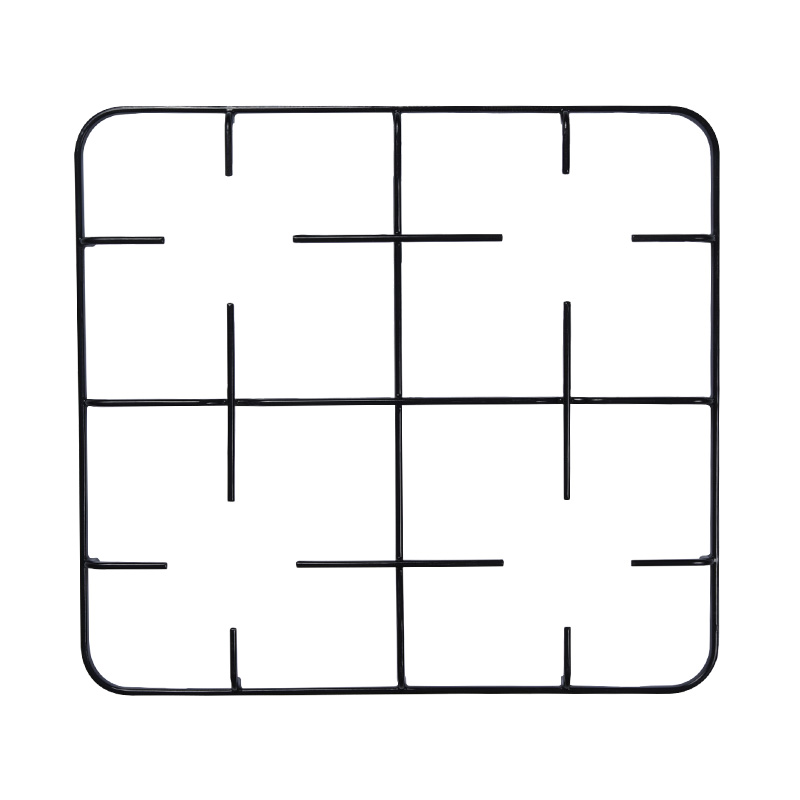
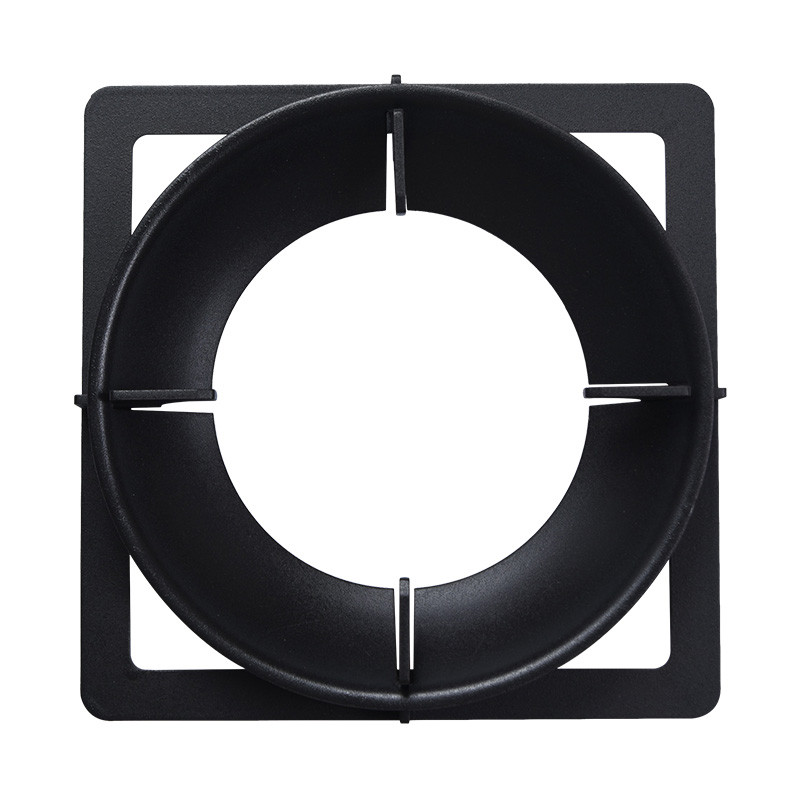
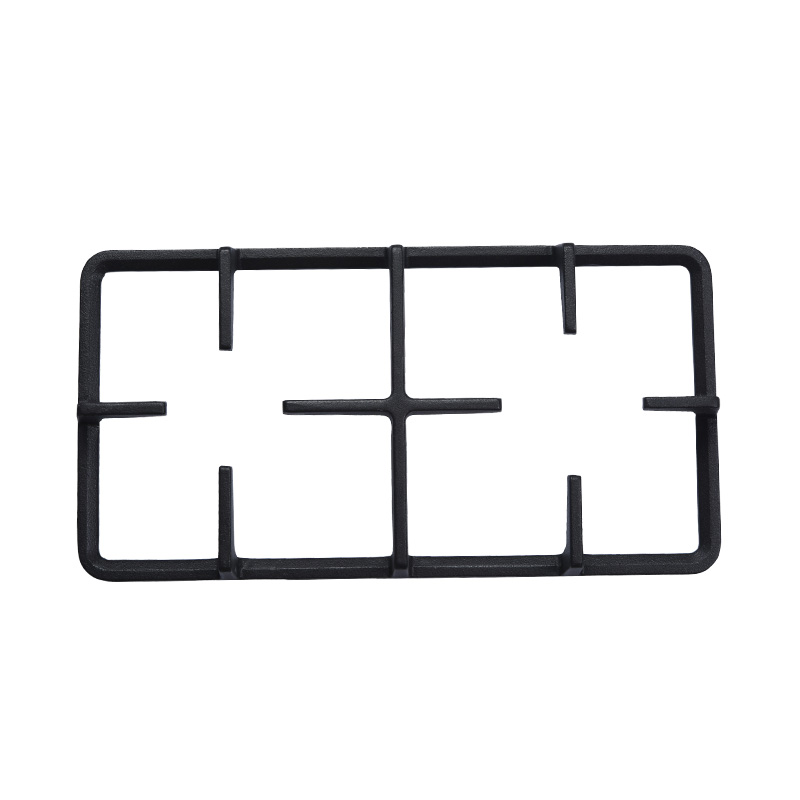
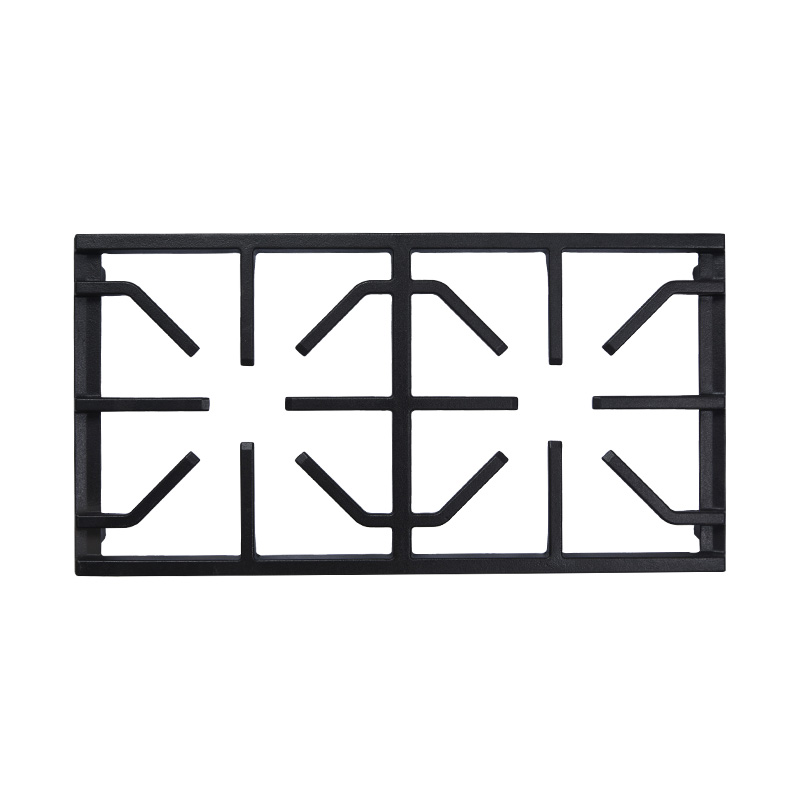
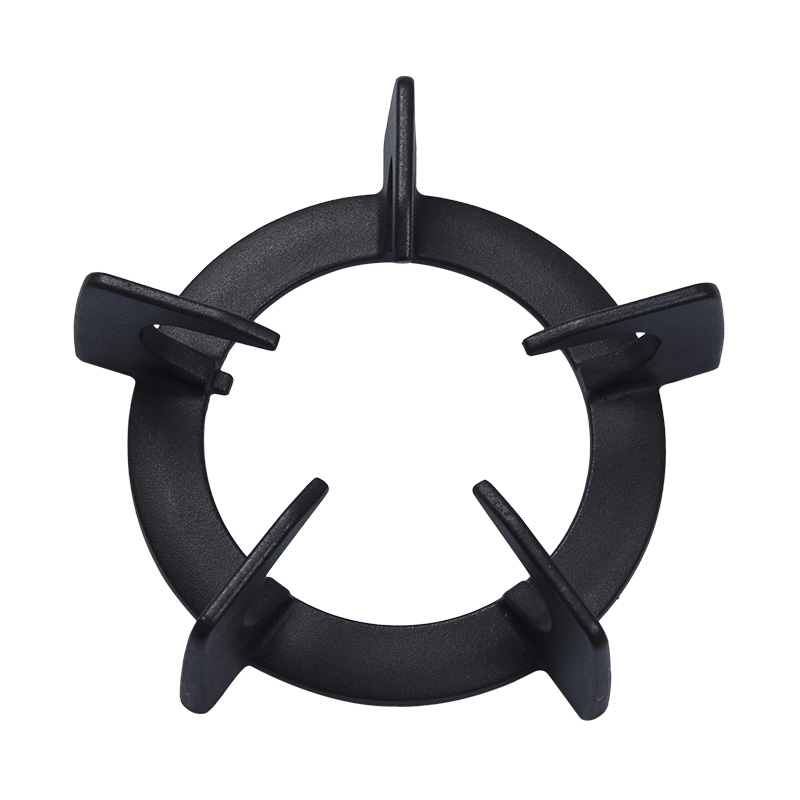
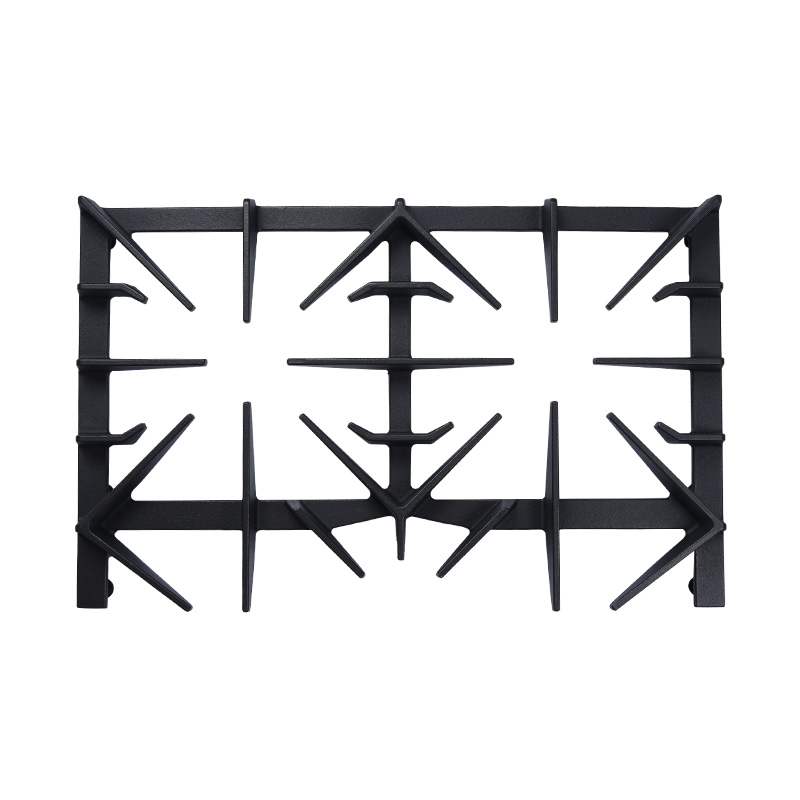
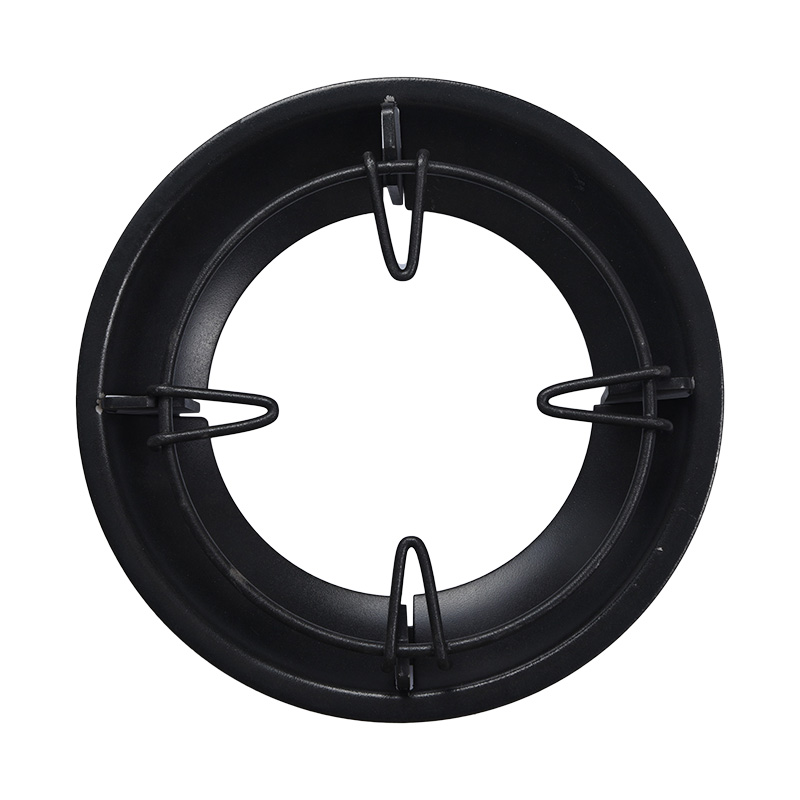
When it comes to heat distribution, the Iron Pan Support outperforms stainless steel pan supports in heat retention and even thermal spreading across cooking surfaces. However, stainless steel heats up faster initially. Understanding these differences helps you choose the right support for your cooking environment — whether a professional kitchen or a home setup.
An Iron Pan Support is a grate or frame placed over a burner to hold cookware steady during cooking. Made from cast or wrought iron, it acts as an intermediary between the flame or heating element and the pan itself. Unlike purely structural supports, the material of an Iron Pan Support actively participates in how heat behaves around and beneath your cookware.
Iron has a thermal conductivity of approximately 50–80 W/m·K, depending on its composition. This means it conducts and holds heat efficiently once it reaches temperature, creating a stable thermal environment for your pan.
Stainless steel pan supports are widely used in commercial kitchens for their corrosion resistance and sleek appearance. However, stainless steel has a thermal conductivity of only 13–17 W/m·K — significantly lower than iron. This means stainless steel pan supports heat up more quickly on the surface but dissipate that heat rapidly, leading to less consistent thermal support for the pan sitting above.
In practice, a stainless steel pan support reaches surface temperatures faster when exposed to flame, but it does not radiate ambient heat as steadily as an Iron Pan Support does. For high-heat cooking tasks that require consistency — such as searing or simmering — this distinction matters considerably.
The table below summarizes the key thermal and practical differences between an Iron Pan Support and a stainless steel pan support:
| Property | Iron Pan Support | Stainless Steel Pan Support |
|---|---|---|
| Thermal Conductivity | 50–80 W/m·K | 13–17 W/m·K |
| Heat Retention | Excellent | Moderate |
| Heat-Up Speed | Slower (3–5 min) | Faster (1–2 min) |
| Ambient Radiant Heat | High | Low |
| Thermal Stability Under Load | Very High | Moderate |
| Rust Resistance | Low (requires seasoning) | High |
| Lifespan with Proper Care | Decades | 10–15 years |
| Weight | Heavy (3–6 kg typical) | Light (1–2 kg typical) |
Many users mistakenly prioritize how quickly a pan support heats up. In reality, for cooking performance, heat retention and thermal consistency are far more important. Here's why:
For tasks like searing steak or stir-frying at temperatures above 250°C, the Iron Pan Support excels. Its ability to absorb and radiate heat steadily means the pan's base stays in a consistently hot zone. A stainless steel support at these temperatures may develop uneven hot spots because of its lower thermal mass.
At lower heat settings, the Iron Pan Support maintains gentle, consistent warmth around the pot base. Stainless steel supports, being lighter and less thermally massive, cool down faster when the flame is reduced, making it harder to maintain a true simmer without constant adjustment.
For fast tasks like frying eggs or heating a small saucepan, a stainless steel pan support has an advantage — it responds more immediately to temperature changes and doesn't require a lengthy preheating phase. The Iron Pan Support takes longer to reach optimal temperature, which can slow down quick meal preparation.
Over time, maintenance habits directly affect how well each support distributes heat:
In terms of heat performance longevity, the Iron Pan Support holds its thermal properties far longer, provided it is properly maintained and seasoned on a seasonal basis.
Based on the heat distribution analysis above, the Iron Pan Support is the better choice for:
Stainless steel pan supports remain a practical option for users who need lightweight, rust-free, easy-clean solutions and primarily cook at moderate temperatures or for short durations.
In the comparison of heat distribution, the Iron Pan Support is the clear winner for thermal consistency, retention, and long-term cooking performance. Its higher thermal mass — approximately 3–5× greater than stainless steel by conductivity and retention metrics — translates directly into more stable cooking conditions, fewer temperature fluctuations, and better outcomes for heat-sensitive cooking tasks. While it requires more care and takes longer to heat up initially, the payoff in cooking quality and lifespan is substantial. For anyone serious about cooking performance, the Iron Pan Support is the more capable and reliable choice over its stainless steel counterpart.

Come collaborate with us.

+86-13034673865


No. 5, Sunjiadifan, Shangtian Street, Fenghua District, Ningbo City, Zhejiang Province, China
Copyright © Ningbo Yisheng Machinery Co., Ltd. All Rights Reserved


 English
 中文简体
中文简体 Español
 русский