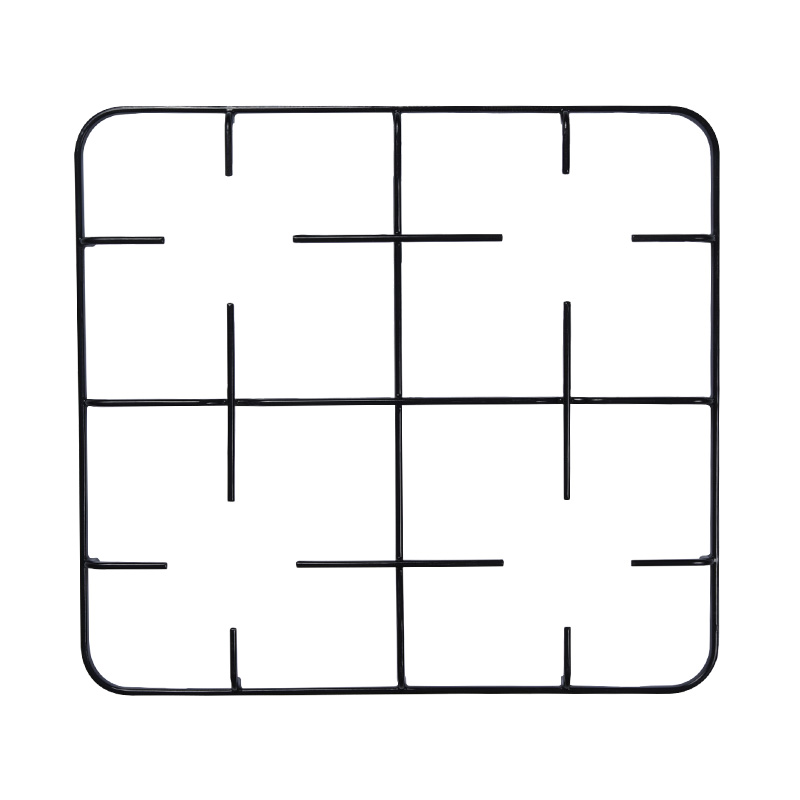
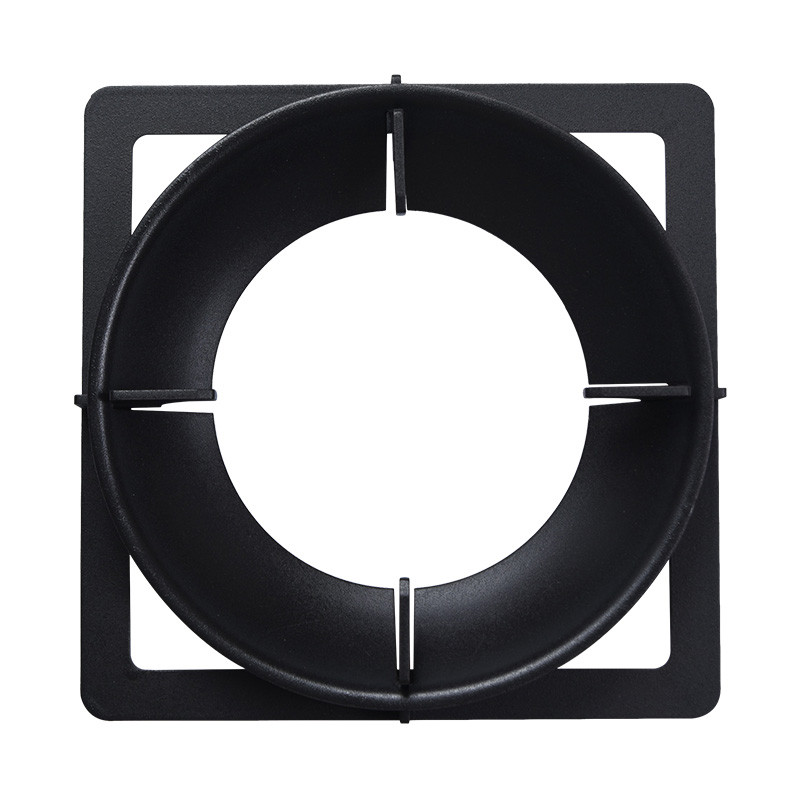
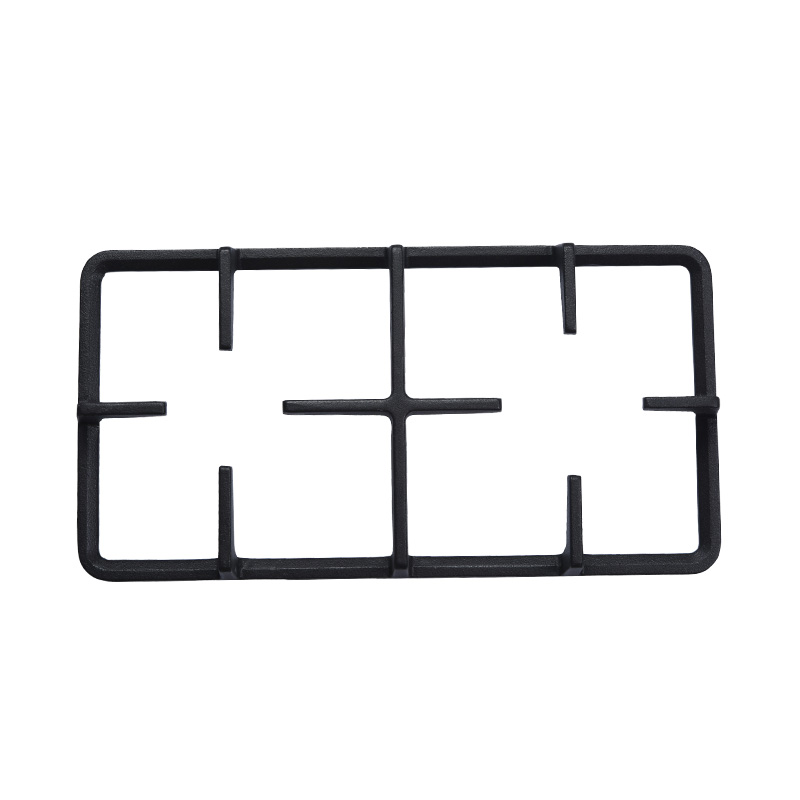
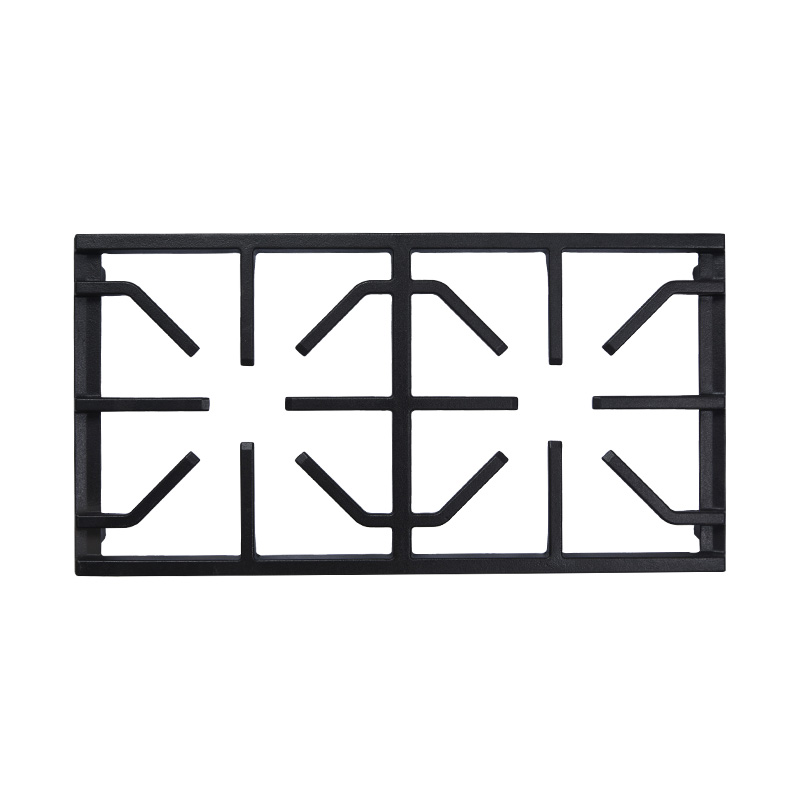
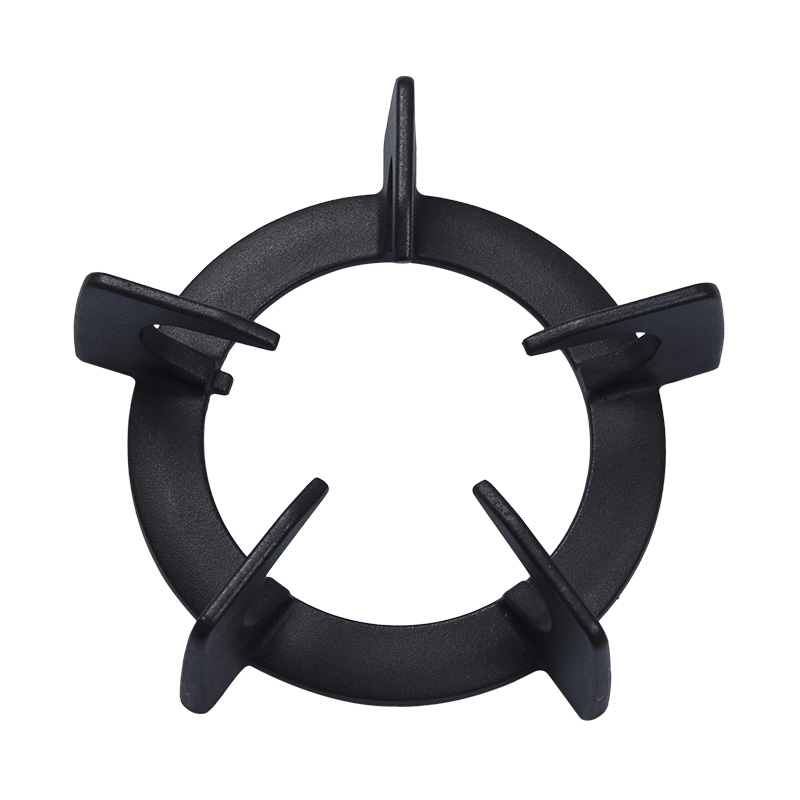
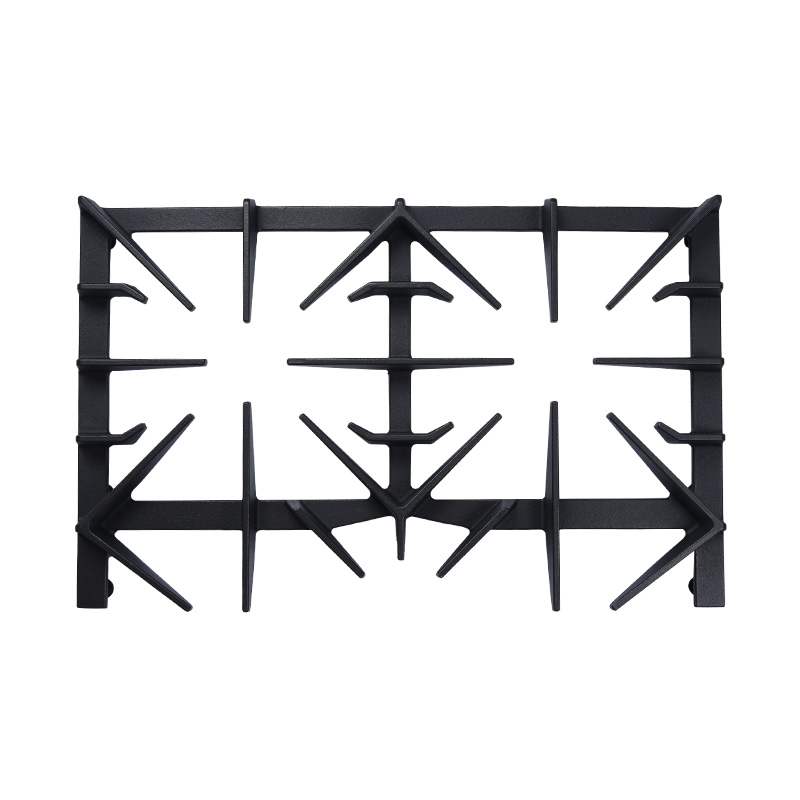
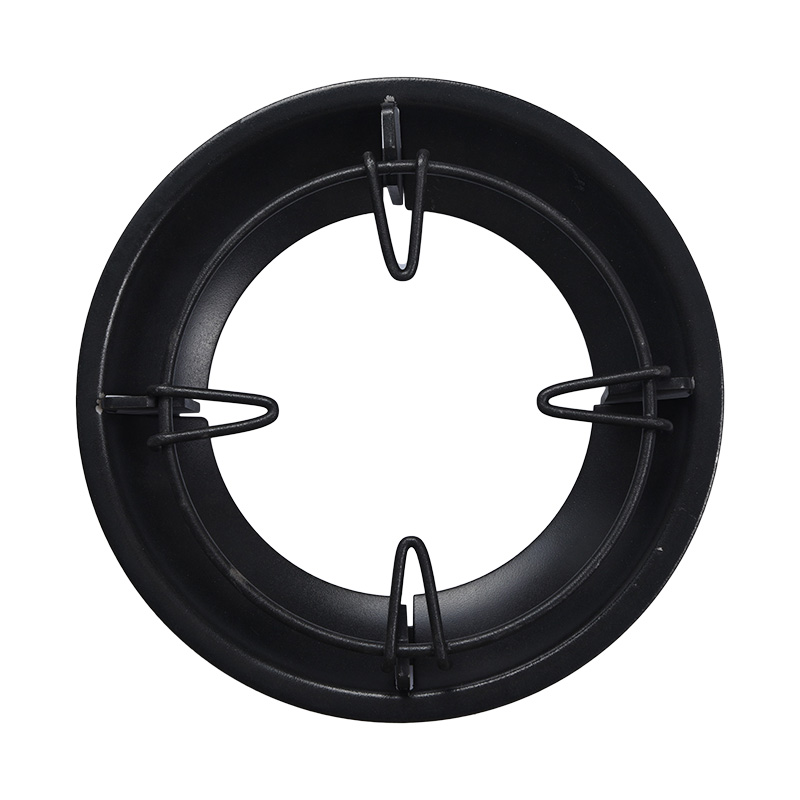
The short answer: a quality Wire Stove Pan Support performs reliably under grease splatter and high heat, but its long-term durability depends heavily on the material it is made from, the coating applied, and how consistently it is maintained. Stainless steel and cast iron variants outperform powder-coated or chrome-plated versions when exposed to sustained temperatures above 300°C (572°F) and repeated grease buildup cycles. Understanding exactly how these factors interact will help you choose the right Wire Stove Pan Support and extend its functional lifespan significantly.
Gas stove burners typically operate between 150°C and 650°C (300°F–1200°F) depending on flame intensity and the cookware used. The Wire Stove Pan Support sits directly above or around this heat source, meaning it absorbs radiant and conductive heat during every cooking session.
Over time, repeated thermal cycling — heating and cooling — causes metal to expand and contract. For low-grade materials, this leads to warping, weakened weld joints, and eventual structural failure. High-carbon steel Wire Stove Pan Supports have been observed to deform after as few as 50–80 high-heat cooking cycles when the temperature regularly exceeds 500°C, while stainless steel (grade 304 or 430) maintains its shape well beyond 200+ cycles under similar conditions.
| Material | Max Safe Temp | Warp Resistance | Rust Resistance | Lifespan (Avg.) |
|---|---|---|---|---|
| Stainless Steel (304) | 870°C (1600°F) | Excellent | Excellent | 5–10 years |
| Cast Iron | 1200°C (2200°F) | Excellent | Moderate (needs seasoning) | 10+ years |
| Chrome-Plated Steel | 400°C (752°F) | Moderate | Poor (peels over time) | 1–3 years |
| Powder-Coated Steel | 200°C (392°F) | Poor | Moderate (until coat fails) | Less than 1 year |
Grease splatter is more damaging than most users realize. When cooking oils and fats land on a hot Wire Stove Pan Support, they do not simply slide off — they carbonize onto the metal surface at temperatures above 180°C (356°F), forming a hard, black residue known as polymerized grease or carbon deposits.
If left uncleaned, these deposits accumulate layer by layer. After just two weeks of daily cooking without cleaning, carbon buildup can add measurable surface roughness and trap moisture between the deposits and the metal, accelerating oxidation — especially on uncoated or lightly coated steel variants.
The effects of grease exposure on a Wire Stove Pan Support include:
The Wire Stove Pan Support is subjected to a combination of mechanical stress (the weight of cookware) and thermal stress (heat cycles) simultaneously. This dual stress environment is one of the most demanding in any kitchen tool category.
For a stainless steel Wire Stove Pan Support rated to support up to 15 kg (33 lbs), structural testing shows that tensile strength decreases by approximately 10–15% after 12 months of daily high-heat use, though this rarely translates into visible deformation when used within its rated load. The more common structural failure is at weld points, which are the weakest nodes in the wire framework.
Users who regularly cook with heavy cast iron pans (typically 4–8 kg) should inspect the weld points of their Wire Stove Pan Support every 3–6 months for hairline cracks or separation, particularly if the support is chrome-plated or mild steel.
One of the most common concerns among users is surface discoloration. A Wire Stove Pan Support that has turned yellow, blue, or brown after prolonged heat exposure is not necessarily degrading — it may simply be experiencing heat tinting, a natural oxidation reaction that occurs on stainless steel surfaces.
Heat tinting on stainless steel is cosmetic and does not compromise the structural or food-safe integrity of the Wire Stove Pan Support. It occurs at temperatures above 300°C (572°F) and is entirely reversible using a mild oxalic acid cleaner or stainless steel polish.
Degradation, by contrast, presents differently:
Proper maintenance is the single most impactful factor in how long a Wire Stove Pan Support retains its performance under grease and heat exposure. The following routine is recommended for daily cooking households:
If your cooking style involves frequent high-heat methods — searing, stir-frying, boiling, or using open gas flames — not all Wire Stove Pan Supports are built equally for the task. When selecting a product intended for prolonged exposure to grease and heat, prioritize the following:
Ultimately, a well-constructed stainless steel Wire Stove Pan Support used with proper maintenance can deliver consistent, safe performance for five years or more, even under daily high-heat cooking conditions. The key is matching the product's material specification to the demands of your specific cooking environment from the outset.

Come collaborate with us.

+86-13034673865


No. 5, Sunjiadifan, Shangtian Street, Fenghua District, Ningbo City, Zhejiang Province, China
Copyright © Ningbo Yisheng Machinery Co., Ltd. All Rights Reserved


 English
 中文简体
中文简体 Español
 русский