When it comes to everyday kitchen maintenance, stainless steel stoves are generally harder to keep spotless than porcelain enamel stoves — but they offer superior durability and resistance to chipping. Porcelain enamel surfaces shed grease and food residue more effortlessly due to their smooth, glass-like coating, while stainless steel requires specific cleaning techniques to avoid scratches and streaks. That said, with the right approach, a stainless steel stove can look immaculate for years. Understanding the practical differences will help you make a smarter purchase and maintenance decision.
Before comparing cleaning difficulty, it helps to understand what each surface is made of. A stainless steel stove features a metal alloy surface — typically 304-grade stainless steel — that resists rust and heat but has a directional grain that traps grease and fingerprints. Porcelain enamel, by contrast, is a powdered glass coating fused onto cast iron or steel at temperatures above 1,400°F, creating a hard, non-porous finish.
This fundamental difference in surface texture is what drives the cleaning experience. Stainless steel has microscopic ridges along its grain, while porcelain enamel is essentially glass-smooth at a microscopic level. The smoother the surface, the less residue sticks — which explains why porcelain enamel stoves can often be wiped clean with just warm water and a soft cloth.
For routine, day-to-day cleaning, porcelain enamel stoves win by a noticeable margin. Spills, splatters, and grease wipe away easily with a damp microfiber cloth and a mild dish soap. Because the surface is non-porous, food particles do not penetrate or stain — even tomato-based sauces or turmeric, which are notorious for leaving marks.
A stainless gas range, on the other hand, demands more attention after daily cooking. Fingerprints become visible almost immediately, and grease can smear along the grain if wiped in the wrong direction. Cleaning against the grain can leave micro-scratches that dull the surface over time. Users typically need a stainless-steel-specific cleaner or a mix of dish soap and baby oil to restore shine without streaking.
When it comes to tackling baked-on grease or burnt residue, the two surfaces behave quite differently under pressure. Porcelain enamel can handle a baking soda paste or even a non-abrasive cream cleanser without damage — the hard glass coating is resistant to most household cleaning agents. A 15-minute soak with a wet cloth and baking soda paste typically dissolves heavy carbonized deposits.
For a steel gas stove with stainless surfaces, deep cleaning is trickier. Harsh scrubbing agents or abrasive pads will visibly scratch the finish, especially on brushed stainless steel. Instead, users should apply a degreaser along the grain direction and let it sit for 5–10 minutes before wiping. Bar Keepers Friend — a mild oxalic acid cleanser — is widely recommended by appliance technicians as a safe deep-cleaning option for stainless steel, restoring the surface without stripping the protective oxide layer.
One area where stainless steel is clearly superior: it does not chip or crack under impact. Porcelain enamel, while smooth and easy to clean, is vulnerable to chipping if a heavy pot or utensil is dropped on it. Once chipped, the exposed metal underneath can rust — and a chipped surface becomes significantly harder to clean because residue catches in the damaged area.
| Cleaning Factor | Stainless Steel Stove | Porcelain Enamel Stove |
|---|---|---|
| Daily wipe-down ease | Moderate (streaks, fingerprints) | Easy (smooth, non-porous) |
| Grease removal | Requires grain-aligned wiping | Wipes off with mild soap |
| Stain resistance | Good (resists rust, not staining) | Very good (non-porous glass layer) |
| Scratch susceptibility | High (shows scratches easily) | Low (unless chipped by impact) |
| Chip/crack resistance | Excellent (metal does not chip) | Poor (glass coating can chip) |
| Cleaning products needed | Specialized stainless cleaners | Basic household cleaners |
| Long-term appearance | Can dull without regular polish | Retains gloss unless chipped |
Many users unknowingly accelerate surface damage on their stainless steel stove through improper cleaning habits. Avoiding these mistakes can extend the life and appearance of the appliance significantly.
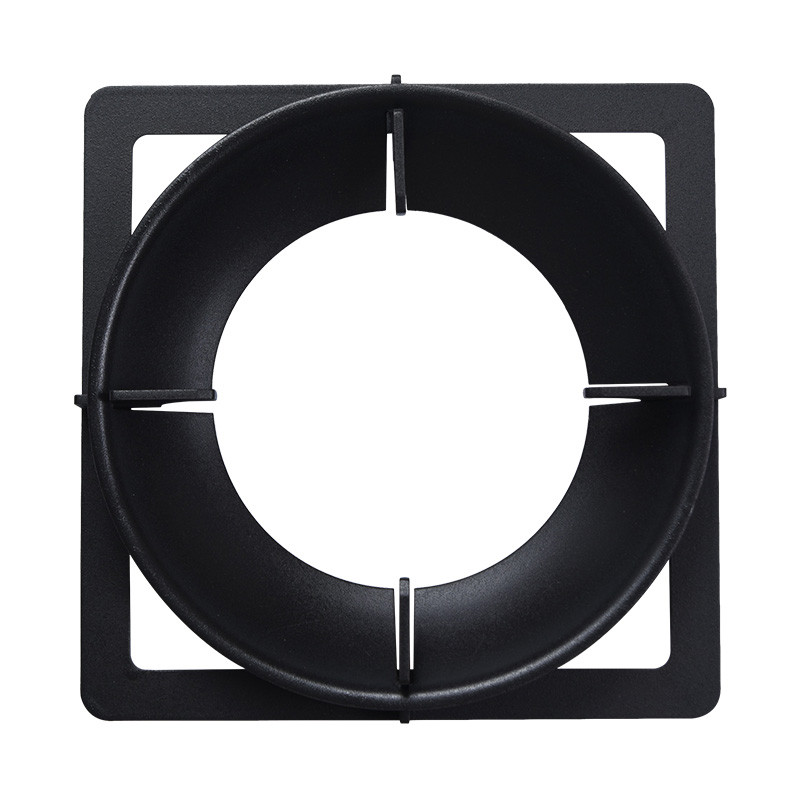
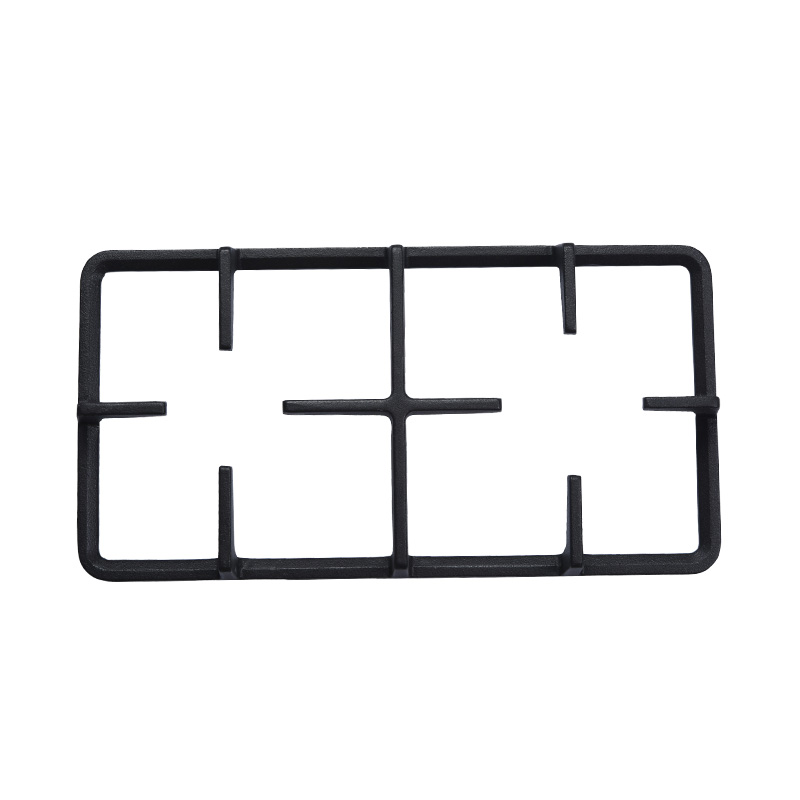
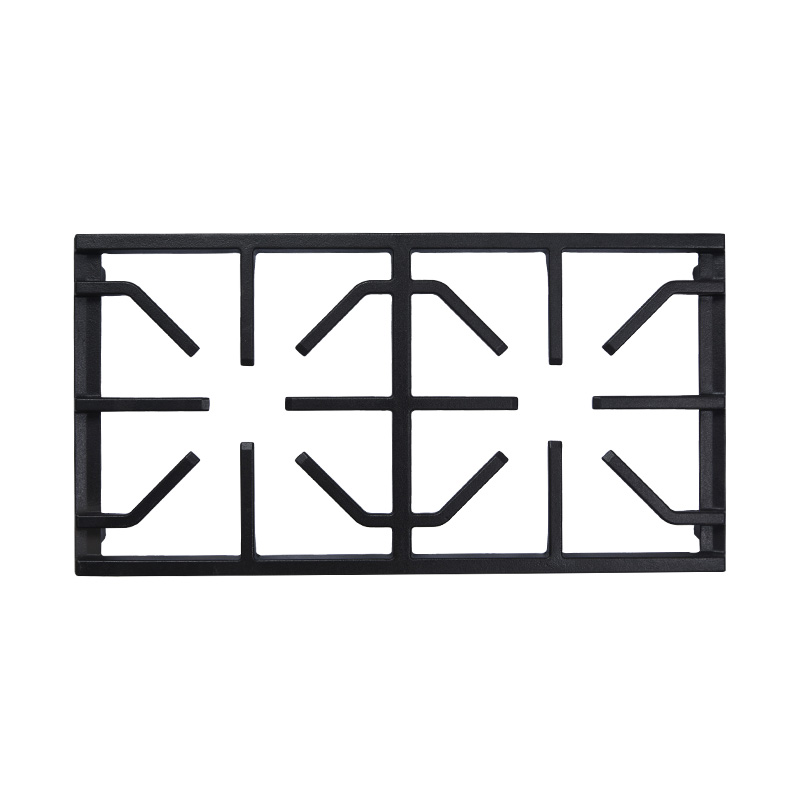
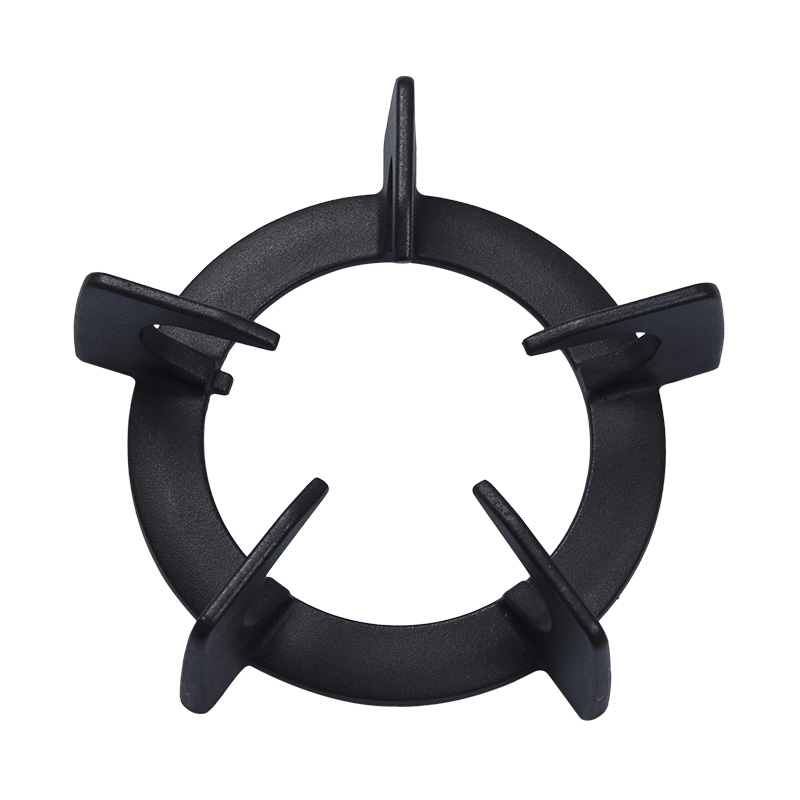
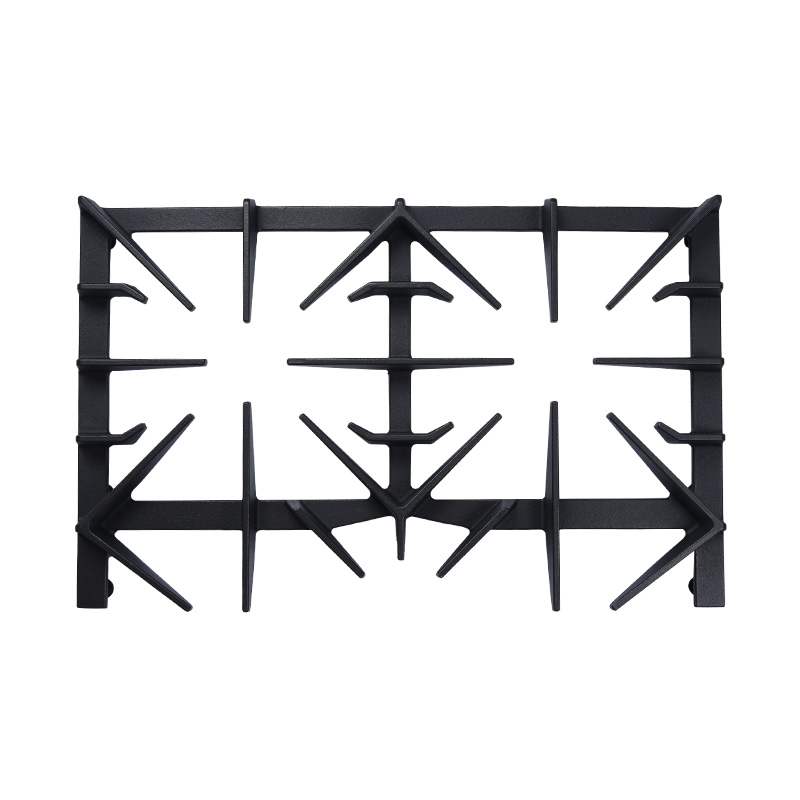
The flat cooktop surface is only part of the cleaning equation. Burner grates, drip pans, and control knobs all accumulate grease and require separate attention. On a stainless gas range, cast iron grates are common — these are durable but must be dried thoroughly after washing to prevent rust. Some models feature dishwasher-safe grates, which dramatically simplifies maintenance.
Porcelain enamel stoves often feature porcelain-coated grates, which are lighter and easier to clean than cast iron but more susceptible to chipping over time. The tradeoff is that porcelain grates look cleaner with less effort, while cast iron grates on a stainless stove require periodic re-seasoning or oiling to stay in top condition.
Control knobs on both stove types are generally made of plastic or metal and can be removed for cleaning. Most knobs on a stainless steel stove are dishwasher-safe, and removing them weekly for a quick rinse prevents grease buildup around the base — one of the most commonly neglected areas in kitchen cleaning.
Over a 5–10 year period, the maintenance story shifts somewhat. A well-cared-for stainless steel stove retains its structural integrity and can be refinished with stainless polish to restore close to original appearance. Light scratches can even be buffed out using a fine-grain stainless scratch remover kit, which costs approximately $15–$30.
Porcelain enamel, while easier to clean daily, becomes progressively harder to maintain as chips and cracks accumulate. A single chip exposes bare metal, which can rust and spread — and there is no practical DIY refinishing option. Touch-up enamel paint exists but rarely matches the original gloss or durability. This means porcelain enamel stoves may look pristine for the first few years and then deteriorate faster in high-use environments.
For households with heavy cooking activity — especially where pots and pans are regularly dropped or moved roughly — a steel gas stove with a full stainless body may actually age more gracefully despite being slightly harder to clean day-to-day.
The right choice depends largely on how you cook and how much time you're willing to invest in upkeep. Here is a practical guide:
Neither surface is maintenance-free, but they each reward different cleaning styles. Consistent, gentle care on a stainless steel stove keeps it looking sharp for a decade or more, while a porcelain enamel stove rewards low-effort daily wiping but punishes physical impacts with lasting damage.

Come collaborate with us.

+86-13034673865


No. 5, Sunjiadifan, Shangtian Street, Fenghua District, Ningbo City, Zhejiang Province, China
Copyright © Ningbo Yisheng Machinery Co., Ltd. All Rights Reserved


 English
 中文简体
中文简体 Español
 русский