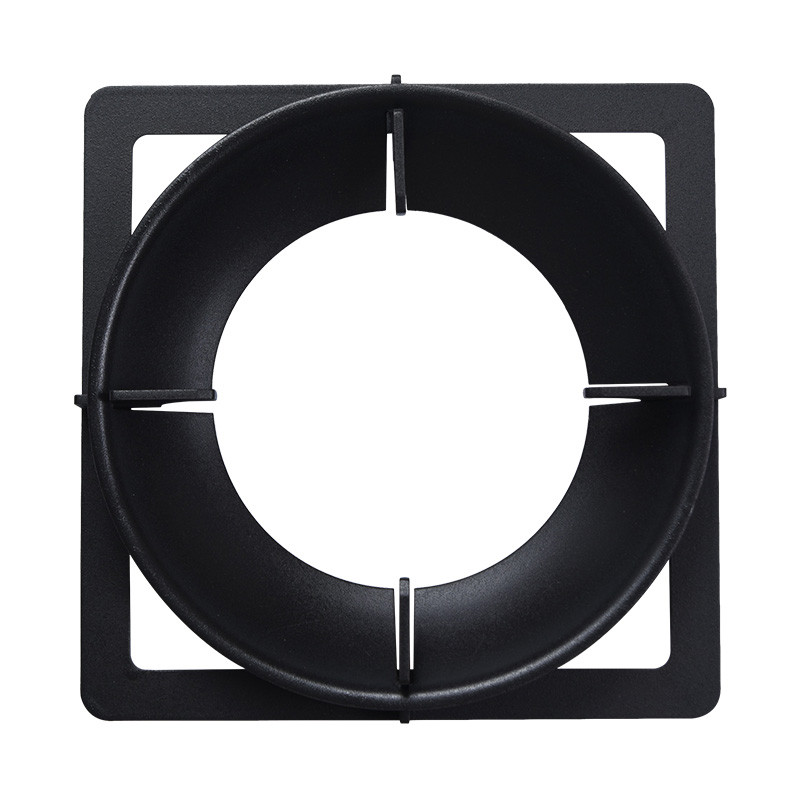
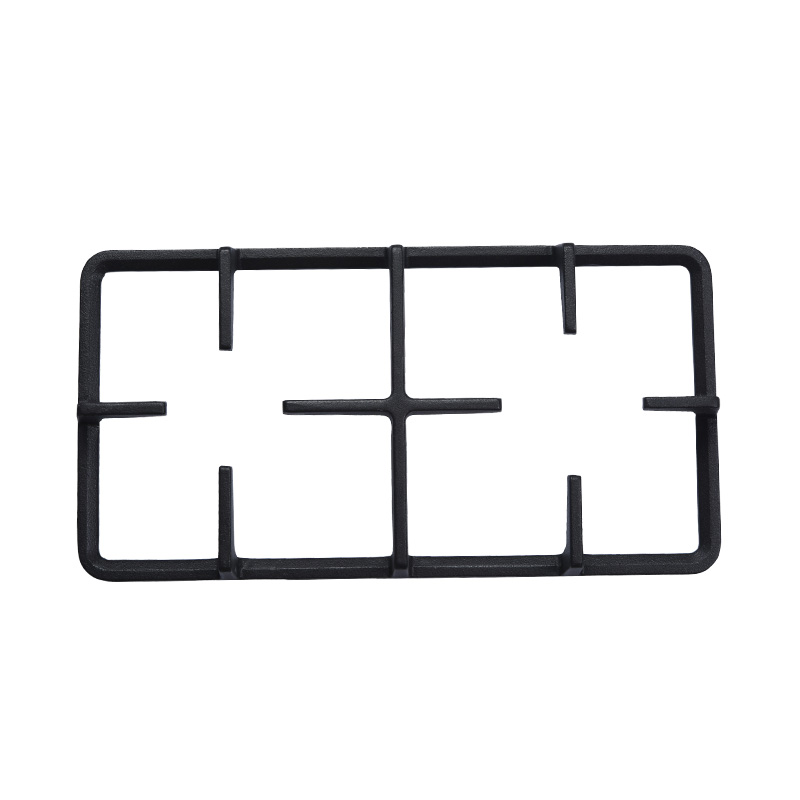
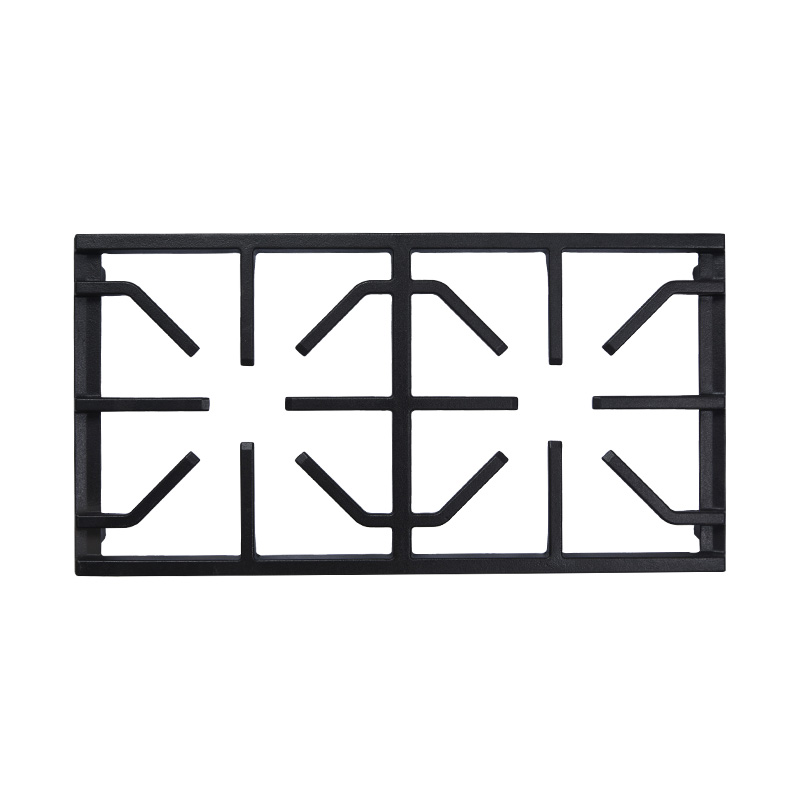
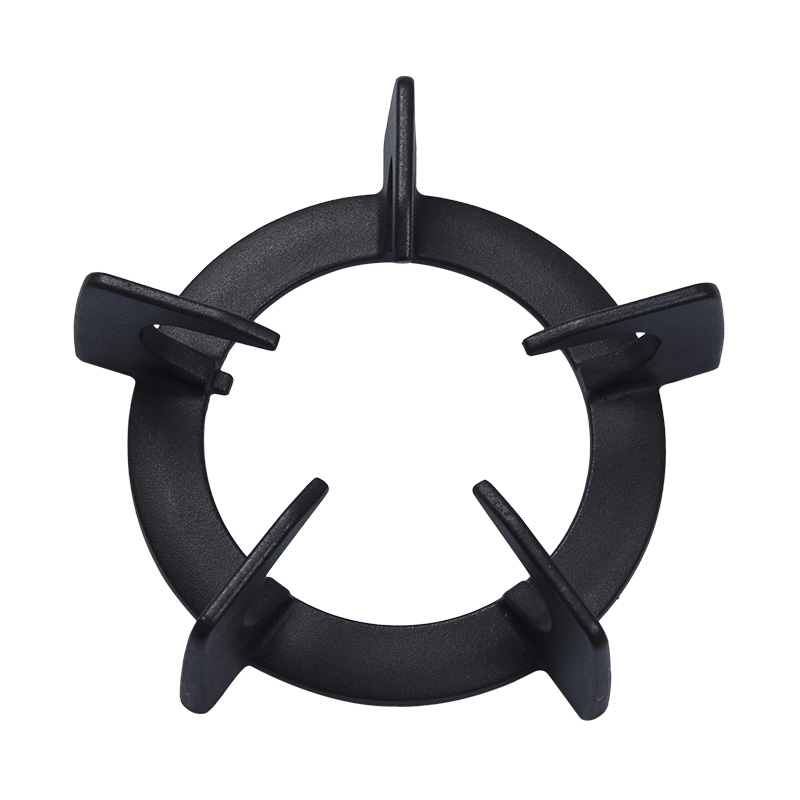
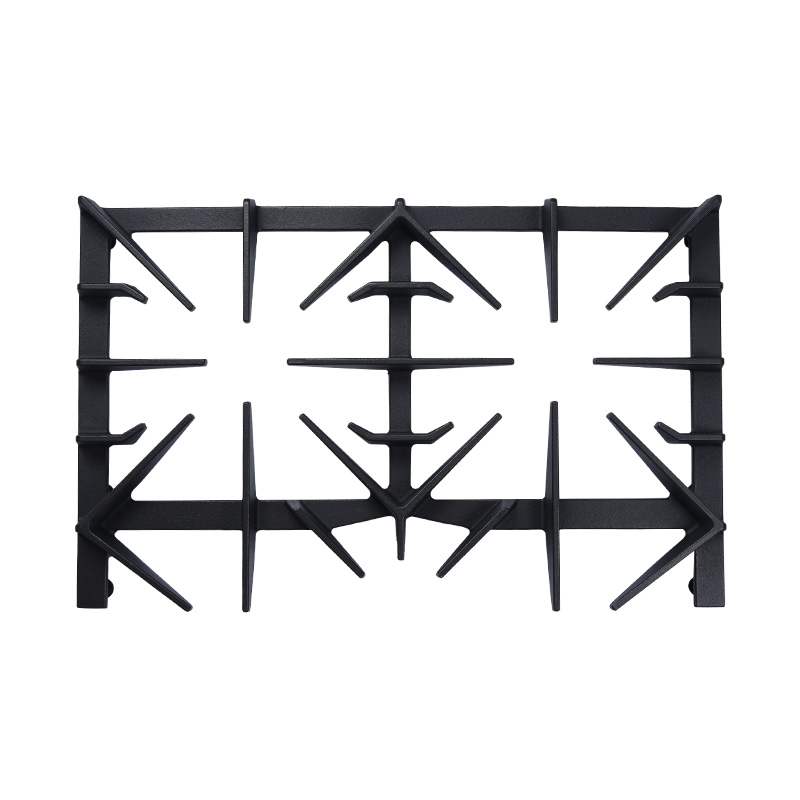
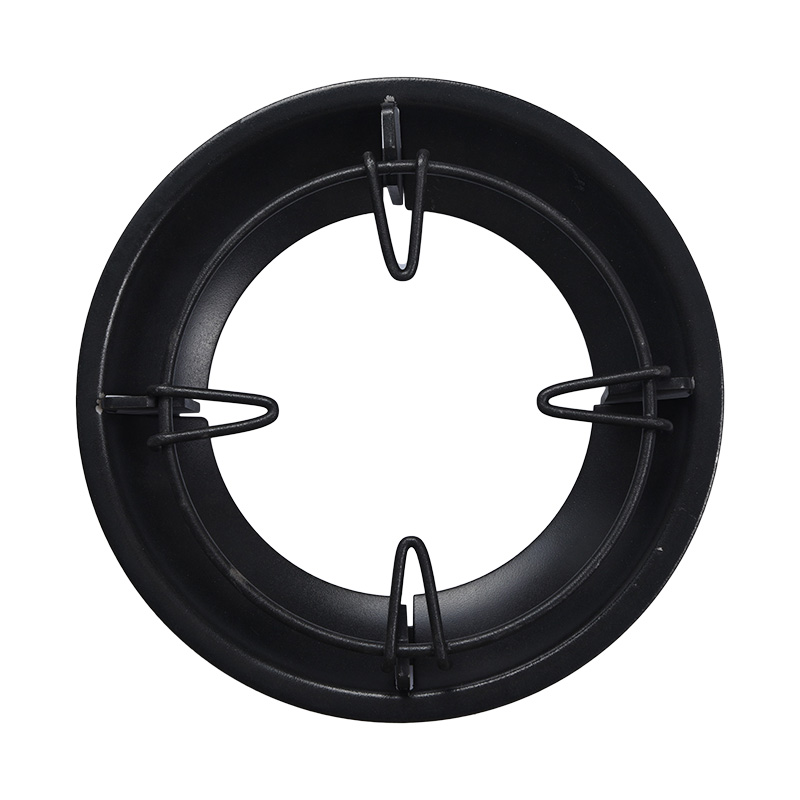
Aluminized steel Wire Grill Supports cannot fully match the thermal stress performance of pure stainless steel, but the gap is narrower than most buyers expect. Aluminized steel performs admirably up to around 700°C (1,292°F) in dry heat conditions, while austenitic stainless steel grades like 304 or 316 can sustain structural integrity up to 870°C (1,598°F) or beyond. For standard residential grilling or commercial convection ovens, aluminized steel is often sufficient — but in high-cycle, high-temperature industrial environments, stainless steel holds a clear edge.
Understanding exactly where and why these two materials diverge helps buyers select the right Wire Grill Support for their specific application without overpaying for performance they don't need.
Aluminized steel is carbon steel coated with an aluminum-silicon alloy through a hot-dipping process. The typical coating composition is approximately 90% aluminum and 10% silicon, which bonds metallurgically to the base steel. This creates a three-layer structure: the carbon steel core, an iron-aluminum intermetallic layer, and an outer aluminum-silicon surface.
The aluminum coating serves two key functions: it acts as a heat reflector and forms a stable aluminum oxide (Al₂O₃) layer when exposed to high temperatures, which resists further oxidation. This is why Wire Grill Supports made from aluminized steel are widely used in oven racks, exhaust systems, and baking equipment.
Common grades used for Wire Grill Supports include Type 1 aluminized steel (aluminum-silicon coating, best for heat resistance) and Type 2 (pure aluminum coating, better for corrosion resistance in mild environments).
"Pure stainless steel" in Wire Grill Support manufacturing typically refers to austenitic grades — most commonly 304 stainless steel (18% chromium, 8% nickel) or the more corrosion-resistant 316 grade (with 2–3% molybdenum). These are solid alloys with no external coating; their oxidation resistance comes from a self-forming chromium oxide (Cr₂O₃) passive layer throughout the entire material.
Ferritic stainless steel grades like 430 are also used in lower-cost Wire Grill Supports. They contain around 16–18% chromium but no nickel, giving them decent heat resistance (up to ~815°C) but lower toughness and formability compared to 304.
Thermal stress in Wire Grill Supports arises from two sources: sustained high temperatures and repeated thermal cycling (heating and cooling). These stresses affect materials differently depending on their composition, coating integrity, and coefficient of thermal expansion (CTE).
| Property | Aluminized Steel | 304 Stainless Steel | 430 Stainless Steel |
|---|---|---|---|
| Max Continuous Use Temp | ~700°C (1,292°F) | ~870°C (1,598°F) | ~815°C (1,499°F) |
| Thermal Cycling Resistance | Moderate (coating may crack) | Excellent | Good |
| Coefficient of Thermal Expansion | ~13 µm/m·°C | ~17.2 µm/m·°C | ~10.4 µm/m·°C |
| Oxidation Resistance Mechanism | Al₂O₃ surface layer (coating-dependent) | Cr₂O₃ passive layer (self-healing) | Cr₂O₃ passive layer |
| Base Material After Coating Failure | Carbon steel (rusts rapidly) | No coating — uniform alloy | No coating — uniform alloy |
| Relative Cost | Low | High | Medium |
One critical distinction: stainless steel's protective oxide layer is self-healing. If scratched or damaged, it reforms in the presence of oxygen. Aluminized steel's aluminum oxide layer, however, is only as durable as the coating itself — once the aluminum layer is breached (through mechanical damage, corrosion, or prolonged heat above its threshold), the exposed carbon steel core is vulnerable to rapid oxidation.
Despite its limitations, aluminized steel is a legitimate choice for Wire Grill Supports in the right conditions. It performs well when:
For example, standard home oven racks — which typically operate between 150°C and 260°C (300–500°F) — rarely push aluminized steel Wire Grill Supports anywhere near their thermal limits. In this context, the material is entirely appropriate and cost-effective.
Stainless steel Wire Grill Supports justify their higher cost in demanding scenarios:
A practical example: a pizza restaurant using a deck oven at 400°C (752°F) with daily heat-up and cool-down cycles would likely see aluminized steel Wire Grill Supports degrade within 12–18 months, while 304 stainless steel versions in the same environment could last 5–10 years or more with proper maintenance.
Material choice is only one part of the thermal stress equation. The wire gauge of the grill support significantly affects how thermal stress is distributed. Thicker wire (lower gauge number) has a greater cross-sectional mass to absorb and dissipate heat, reducing localized stress concentrations at weld joints.
An aluminized steel Wire Grill Support in 10-gauge wire may outperform a thin 18-gauge stainless steel version under moderate thermal cycling, simply because the greater wire mass compensates for the material's lower intrinsic heat resistance.
When selecting a Wire Grill Support based on thermal stress requirements, consider the following decision points:
Ultimately, stainless steel Wire Grill Supports offer superior thermal stress resistance across virtually all measurable parameters. However, aluminized steel remains a practical, cost-effective solution for lower-intensity applications where its thermal ceiling is never approached. Match the material to the environment — not the other way around.

Come collaborate with us.

+86-13034673865


No. 5, Sunjiadifan, Shangtian Street, Fenghua District, Ningbo City, Zhejiang Province, China
Copyright © Ningbo Yisheng Machinery Co., Ltd. All Rights Reserved


 English
 中文简体
中文简体 Español
 русский