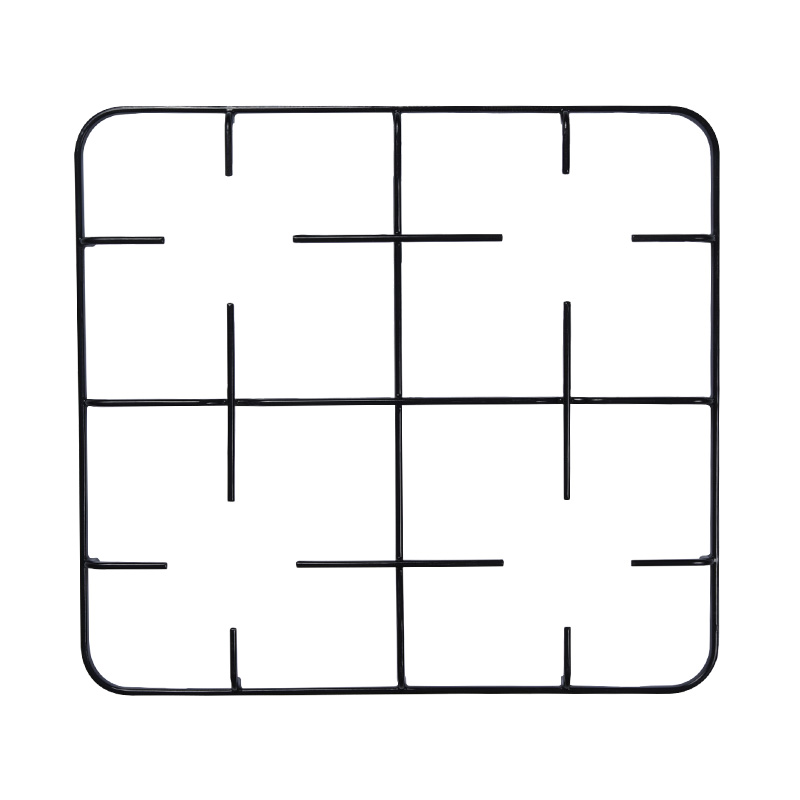
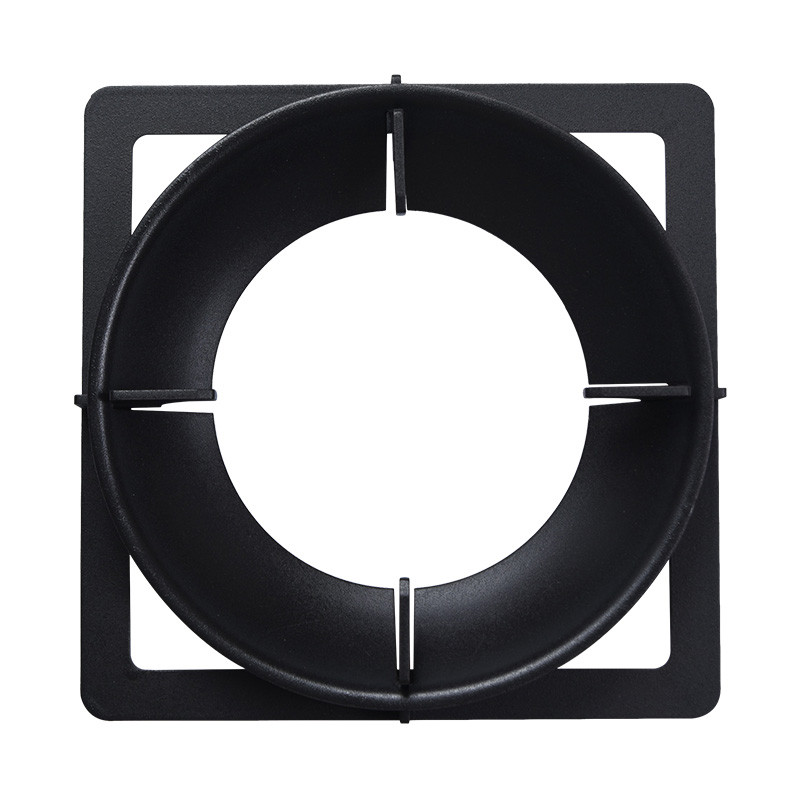
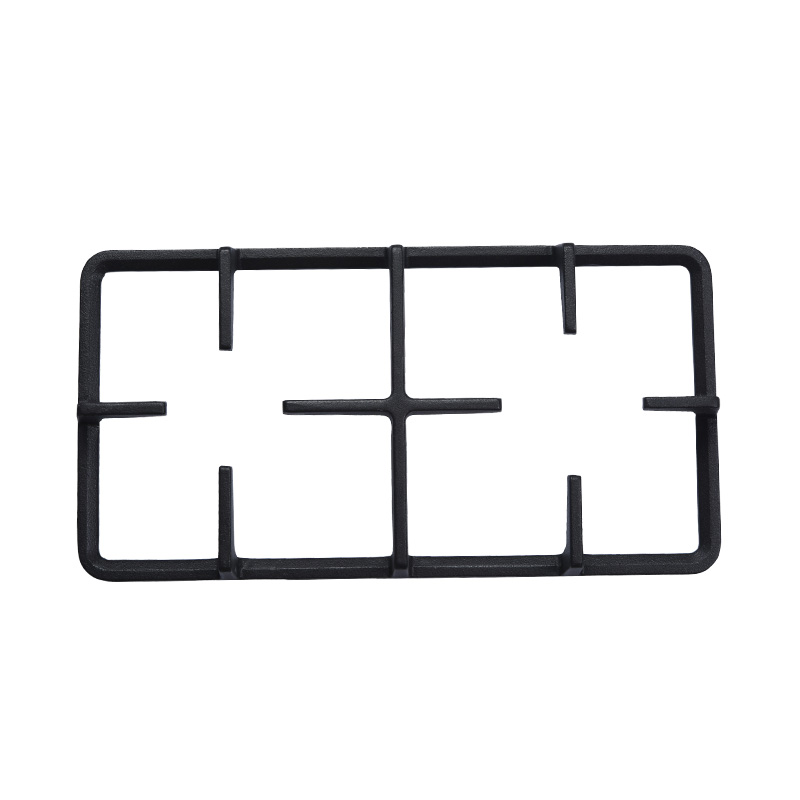
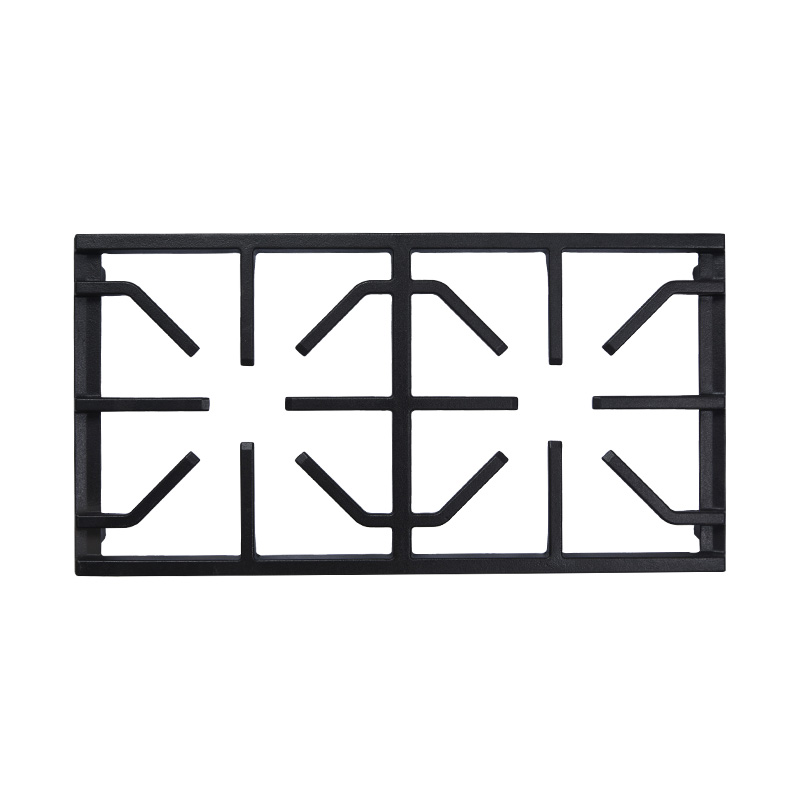
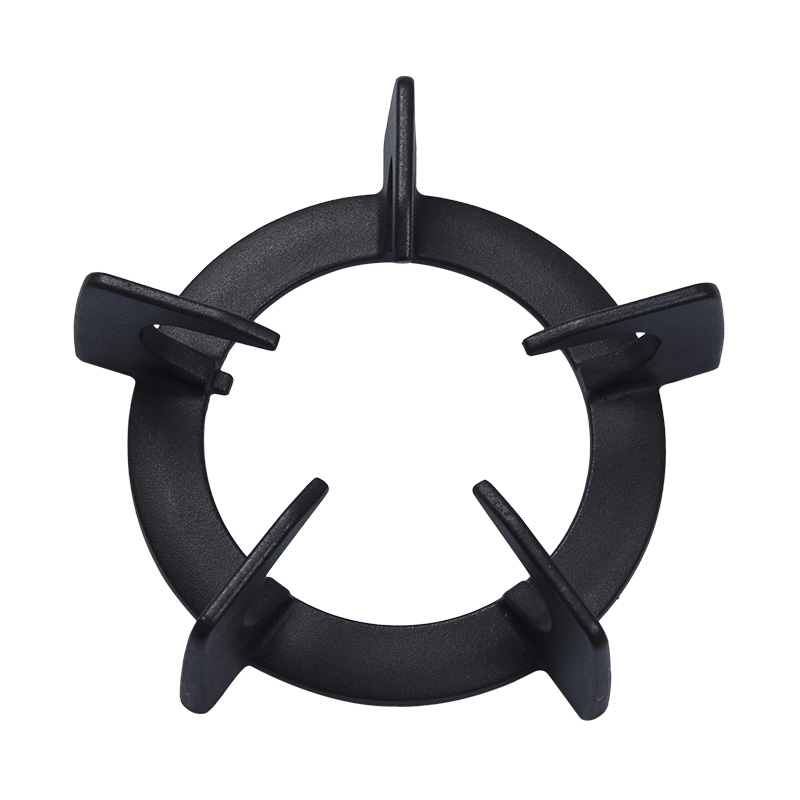
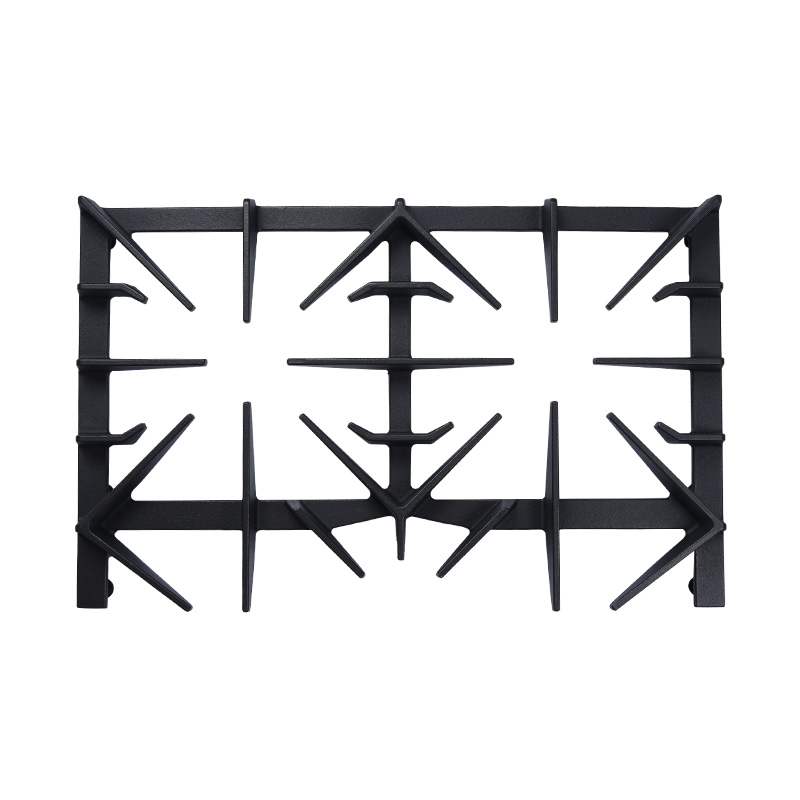
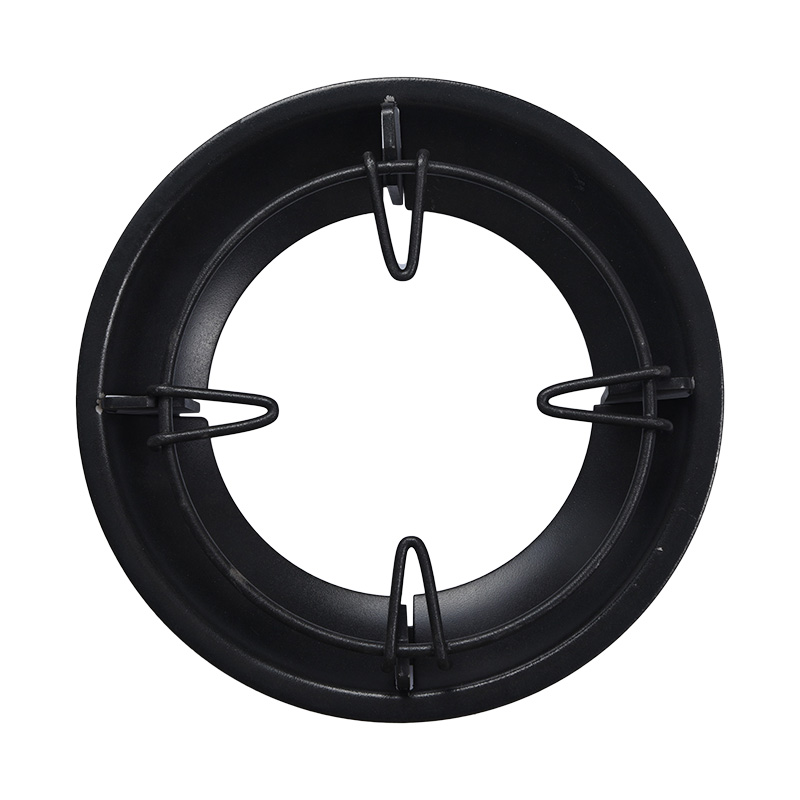
The Embedded Gas Stove 4-Claw Support is constructed using materials specifically selected for their exceptional heat resistance, ensuring long-term performance even under continuous exposure to the intense heat generated by gas stoves. Cast iron is one of the most commonly used materials due to its superior ability to retain and evenly distribute heat. It can withstand direct exposure to high temperatures without the risk of warping or cracking, making it ideal for use with gas stoves. Another commonly used material is stainless steel, prized for its corrosion resistance, strength, and ability to maintain structural integrity even when subjected to high heat. Stainless steel's non-reactive nature ensures that it won’t degrade or corrode under prolonged exposure to heat or moisture. Heavy-duty aluminum alloys are also utilized in some models, providing an optimal balance between strength, weight, and heat resistance. These materials are selected for their high heat tolerance, which prevents the claws from warping or breaking under the heat produced by cooking.
Gas stoves often produce fluctuating temperatures as burners cycle between high and low heat settings, and such temperature swings can cause materials to expand and contract. The 4-claw support is specifically designed to accommodate these thermal fluctuations, ensuring the motor does not experience stress that could lead to deformation over time. For example, some designs incorporate thermal expansion joints or flexible connections that allow the support to expand slightly during heating and contract without compromising its structural integrity. This ensures that the 4-claw support remains stable despite the expansion caused by heat, preventing potential warping or cracking of the material.
In order to maintain consistent performance and aesthetic appearance over time, the Embedded Gas Stove 4-Claw Support often comes with a protective coating that offers additional resistance to heat degradation. This heat-resistant coating serves as a protective layer that prevents common issues like discoloration, oxidation, or the formation of cracks due to high-heat exposure. Over time, continuous exposure to gas flames can cause some materials to lose their finish or become structurally weakened, but a properly applied heat-resistant coating ensures that the 4-claw support remains functional and visually intact. The protective coating also minimizes the potential for thermal shock, which can occur when hot cookware is moved from the stove to a colder surface, a situation that can cause material to crack or warp.
The Embedded Gas Stove 4-Claw Support is engineered to withstand long-term use in a high-temperature environment without significant degradation. Its durability is a result of the combination of high-quality materials and precise engineering. Manufacturers rigorously test the 4-claw support under extreme conditions to ensure it performs well over extended periods. These tests simulate the repeated heating and cooling cycles that the support will encounter during everyday use, ensuring that the support’s materials remain robust and reliable. Over time, provided the stove is used within the recommended operational parameters and the support is properly maintained, the product should continue to function as expected. The stability of materials like cast iron, stainless steel, or heat-treated alloys ensures that there is minimal loss in functionality, providing a consistent user experience with each use.
To further enhance the performance and longevity of the Embedded Gas Stove 4-Claw Support, some models are designed with ventilation holes or openings strategically placed to help dissipate heat more efficiently. These features allow the motor to expel excessive heat and reduce the risk of overheating localized sections of the support, which could lead to warping or thermal damage. By promoting better airflow around the stove, the design ensures that no single point on the support is exposed to prolonged high temperatures, which can cause materials to weaken or lose their strength. In addition, these ventilation designs help reduce the likelihood of thermal stress, which occurs when certain areas of the support heat up faster than others, causing strain on the material.

Come collaborate with us.

+86-13034673865


No. 5, Sunjiadifan, Shangtian Street, Fenghua District, Ningbo City, Zhejiang Province, China
Copyright © Ningbo Yisheng Machinery Co., Ltd. All Rights Reserved


 English
 中文简体
中文简体 Español
 русский