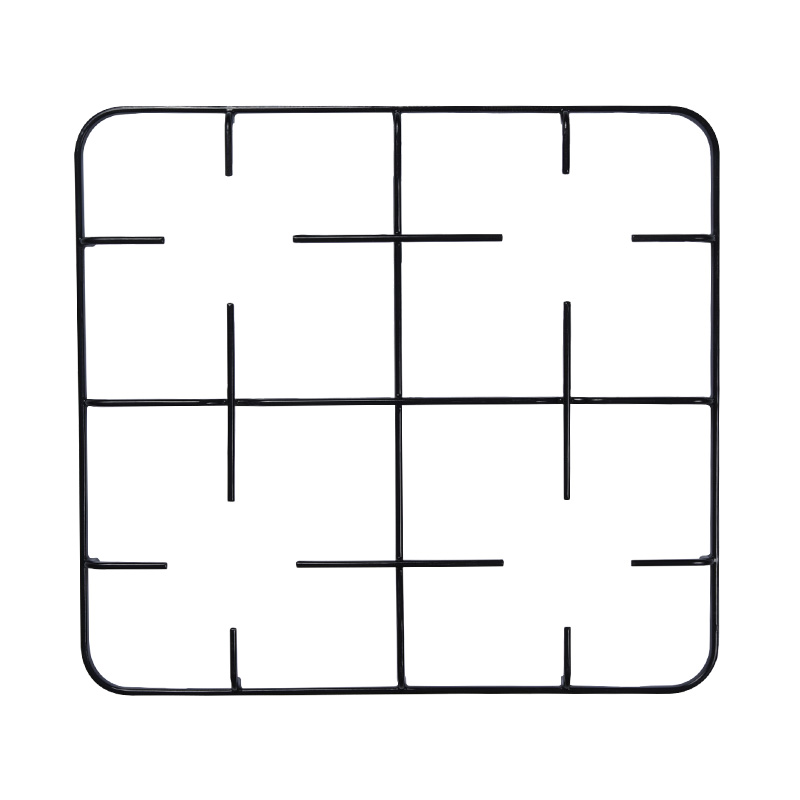
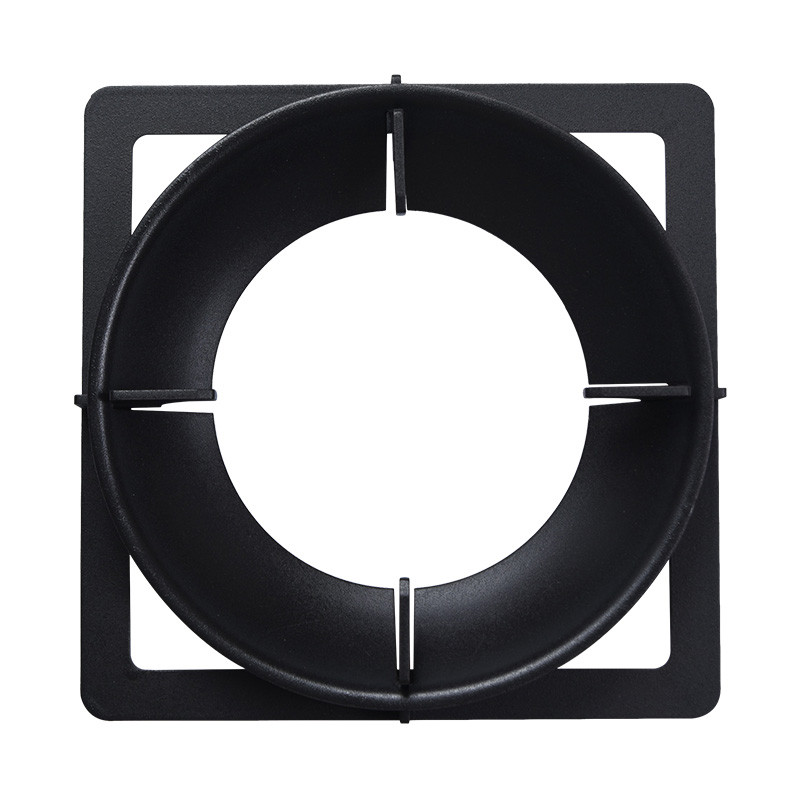
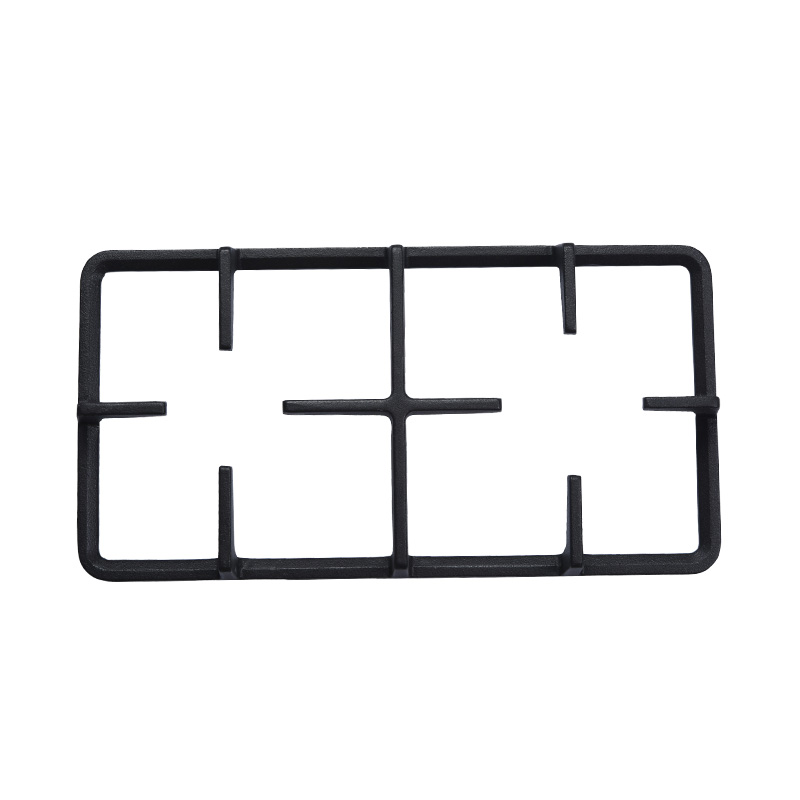
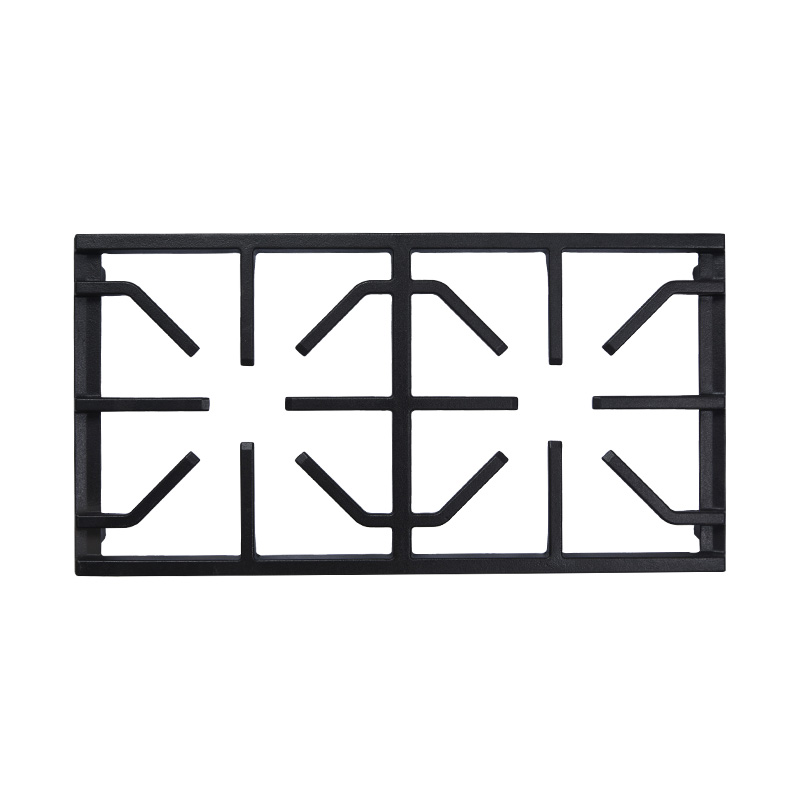
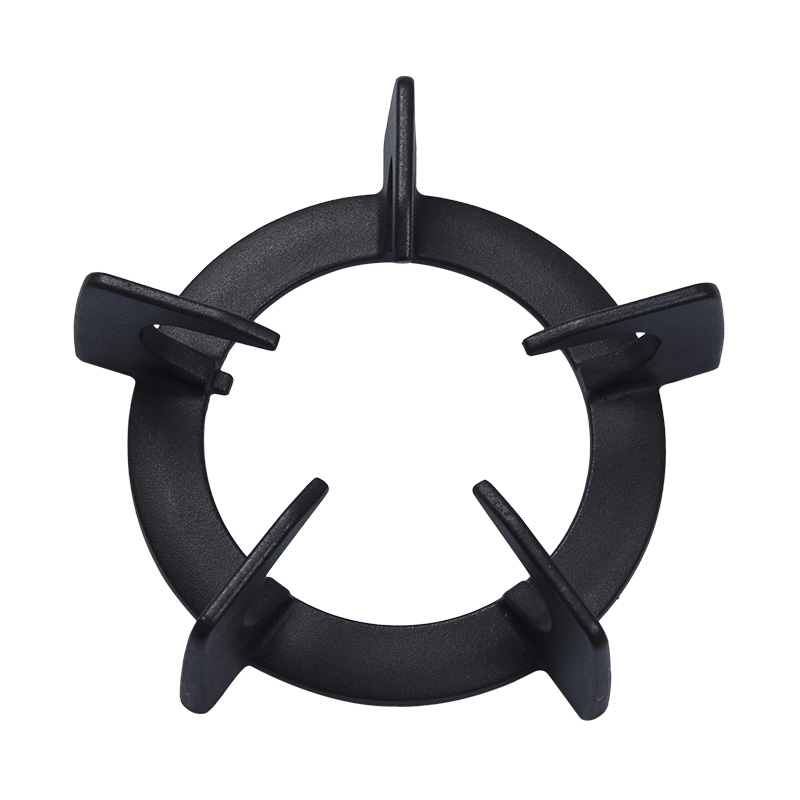
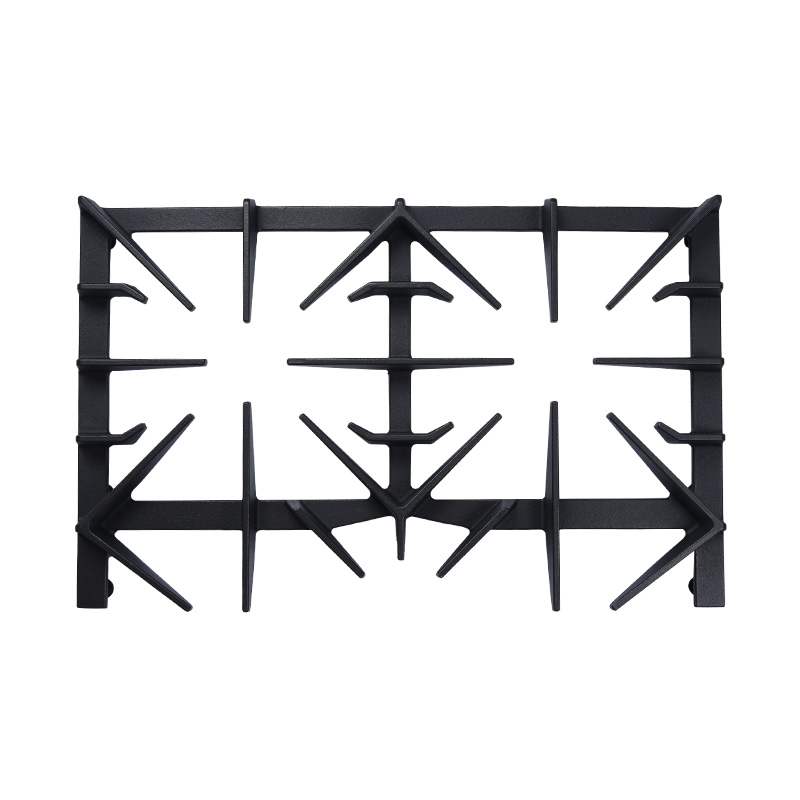
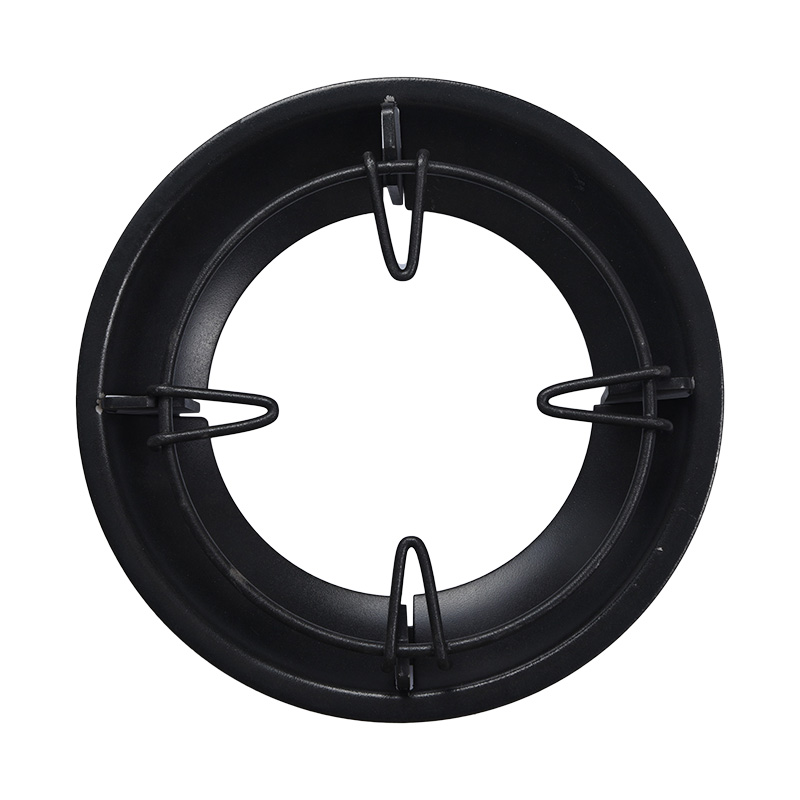
The choice of material for the Gas Cooker Hob Pan Support is fundamental to its ability to withstand repeated heating and cooling cycles without distortion. Materials commonly used include cast iron, stainless steel, and specially coated steel alloys. Cast iron is often selected for its high strength and relatively low thermal expansion coefficient, which helps minimize dimensional changes when exposed to high temperatures. Stainless steel provides a balance of thermal stability, corrosion resistance, and mechanical strength, making it suitable for environments with frequent temperature fluctuations. The thermal expansion coefficient of the chosen material directly determines how much the support will expand when heated and contract when cooled. By selecting metals with controlled expansion characteristics, manufacturers ensure that the pan support maintains its shape and stability even under prolonged or repeated use.
The structural design of the Gas Cooker Hob Pan Support plays a crucial role in accommodating thermal expansion and contraction. Supports are typically designed with open grids, segmented arms, or spaced sections, allowing individual segments to expand and contract without creating excessive stress points. Reinforced edges, crossbars, or ribs are integrated into the design to maintain overall rigidity and prevent warping under high temperatures. By allowing slight movement within the structure, the design mitigates the risk of permanent deformation, bending, or mechanical failure, while still providing a stable platform for cookware. The geometry of the support ensures that thermal stress is distributed evenly across the surface rather than concentrating at a single point.
Many Gas Cooker Hob Pan Supports are treated with enamel, high-temperature powder coatings, or specialized paints. These coatings serve multiple purposes, including protecting the metal from corrosion and oxidation and providing a smooth, easy-to-clean surface. The coatings are formulated to flex slightly with the underlying metal, reducing the risk of cracking or flaking during thermal expansion and contraction. Properly applied surface treatments enhance the durability of the pan support while preserving its appearance, even under repeated exposure to high temperatures and thermal cycling. Additionally, coatings help prevent localized overheating and uneven thermal expansion by providing a uniform surface that distributes heat more evenly.
The fit and installation of the Gas Cooker Hob Pan Support are carefully engineered to allow for thermal movement while maintaining stability. Pan supports are designed to sit securely on the gas hob but with slight clearance to accommodate expansion and contraction. If the fit is too tight, thermal expansion could cause bending or stress fractures. If the fit is too loose, the support may wobble under heavy cookware. Some designs use modular or segmented supports that expand independently, further minimizing stress and reducing the risk of structural damage over time. Proper installation ensures that thermal movement does not compromise the overall stability of the pan support or the safety of cookware during use.
Thermal expansion is influenced not only by temperature but also by the distribution of heat and the weight of the cookware. The Gas Cooker Hob Pan Support is designed to distribute heat evenly across its surface to minimize localized hotspots that could cause uneven expansion or warping. The support also distributes the weight of pots and pans evenly, ensuring that thermal expansion does not result in bending under load. By managing both heat and mechanical load, the design maintains the structural integrity of the pan support over prolonged periods of high-frequency use.

Come collaborate with us.

+86-13034673865


No. 5, Sunjiadifan, Shangtian Street, Fenghua District, Ningbo City, Zhejiang Province, China
Copyright © Ningbo Yisheng Machinery Co., Ltd. All Rights Reserved


 English
 中文简体
中文简体 Español
 русский