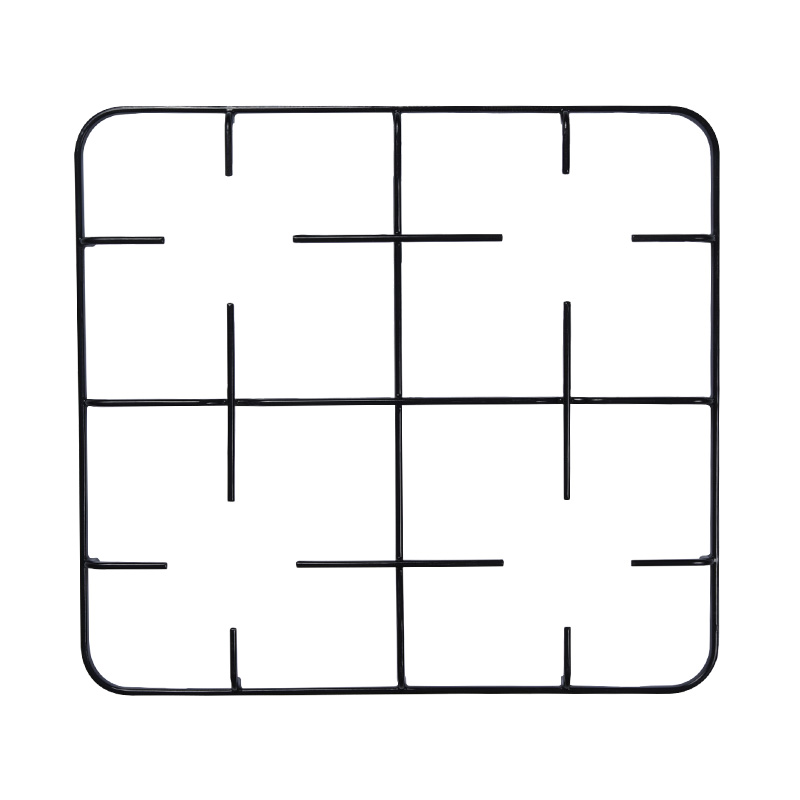
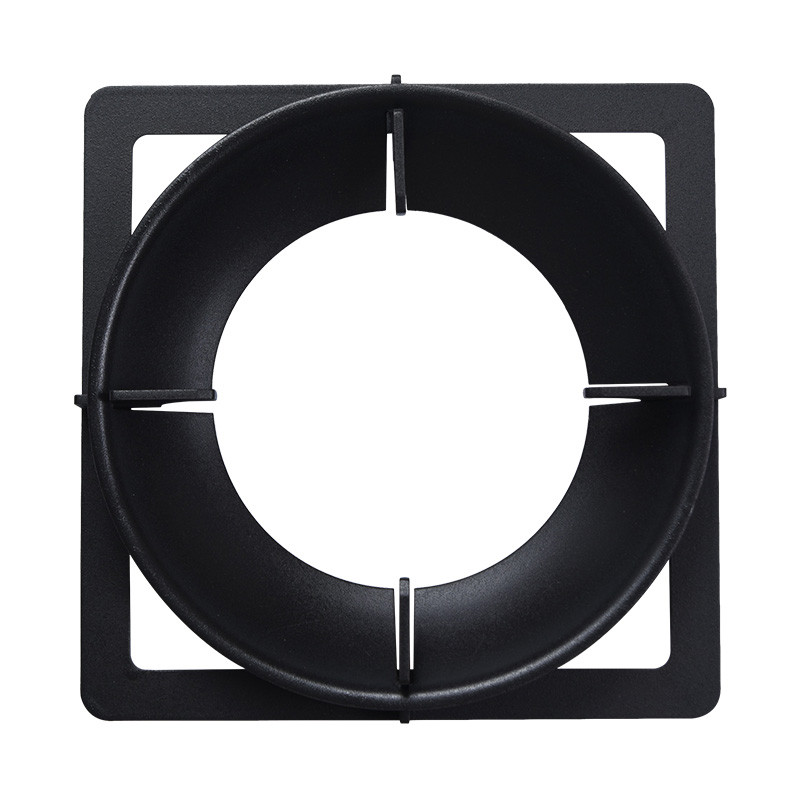
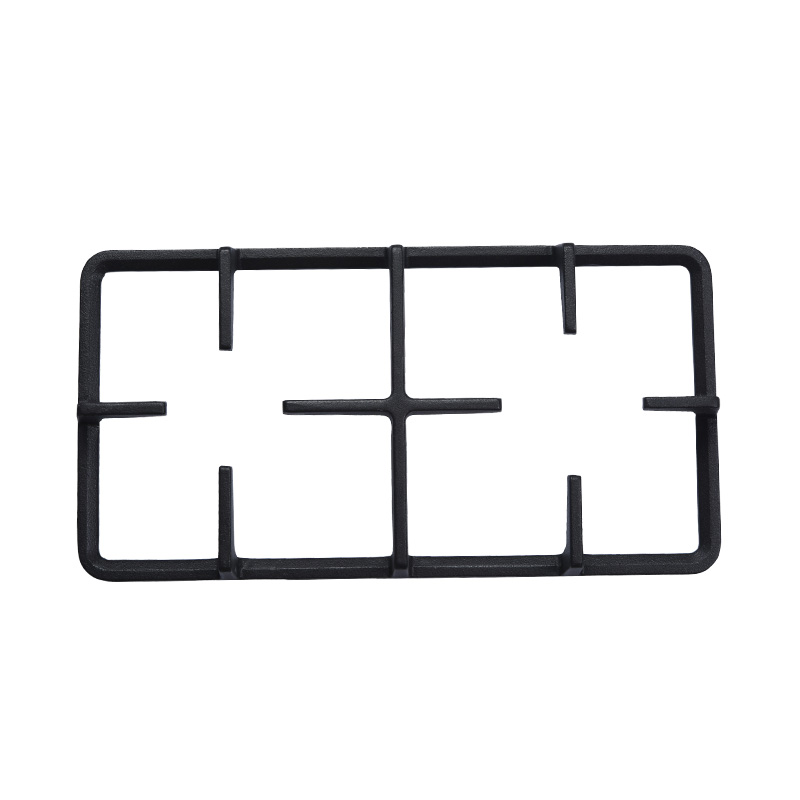
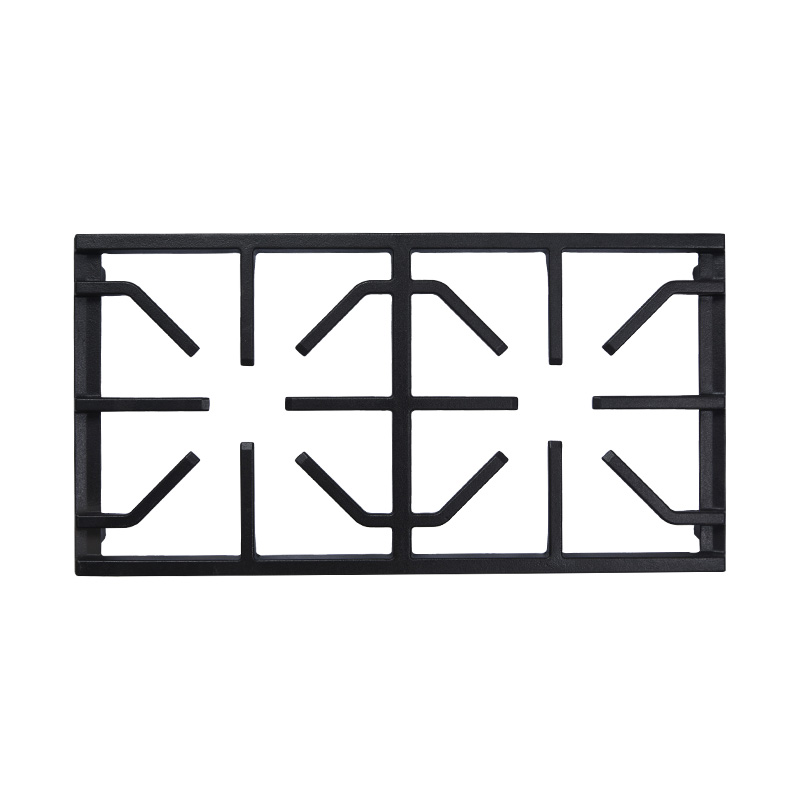
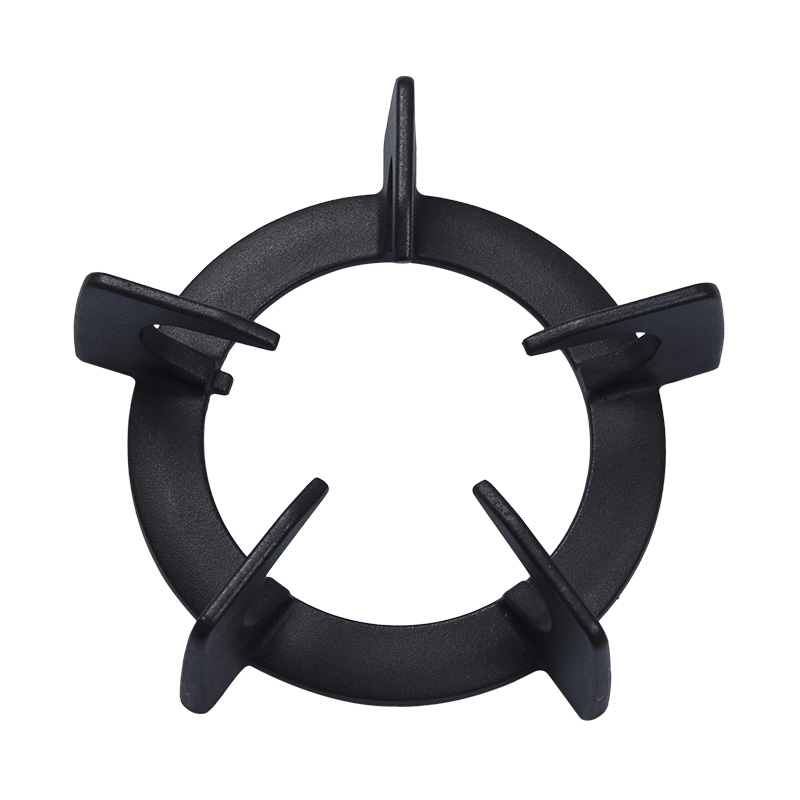
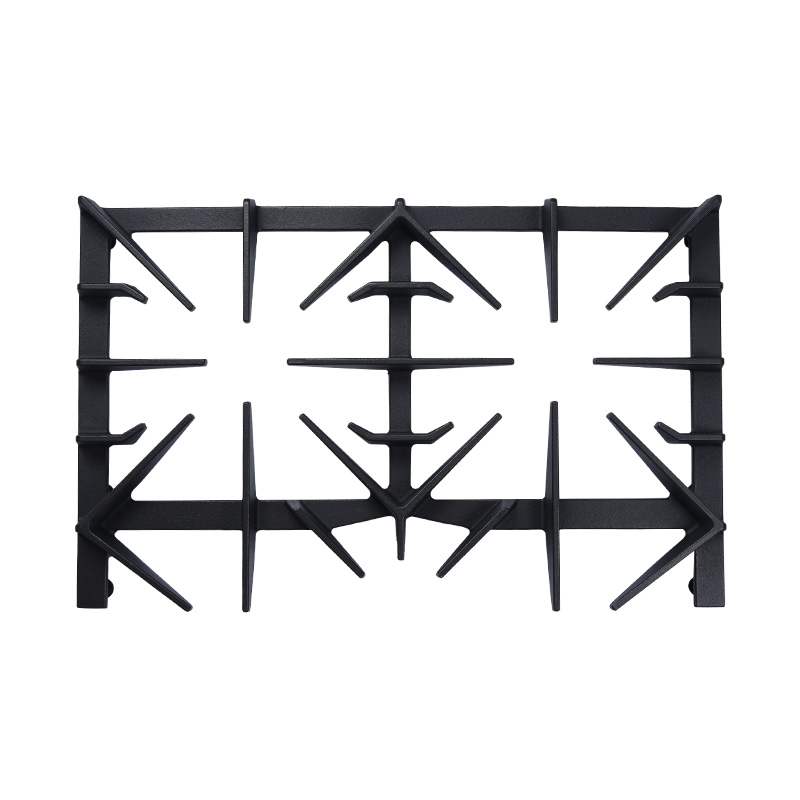
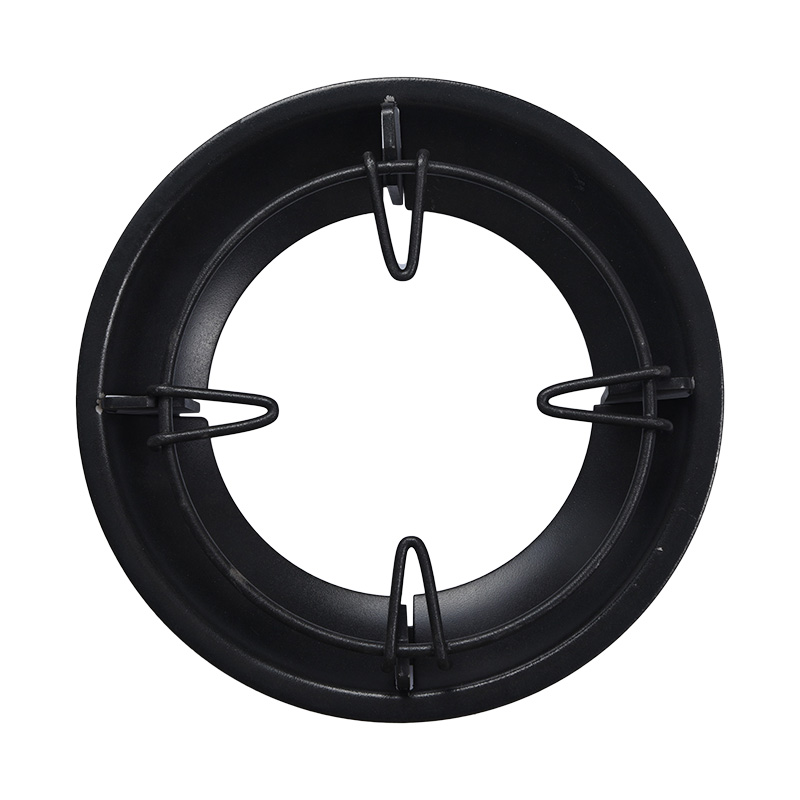
Cast iron LPG Stove Supports generally offer better heat resistance, thermal stability, and long-term durability than most standard metal supports. They can withstand prolonged exposure to high temperatures with minimal deformation, making them ideal for heavy cookware and intensive cooking. However, stainless steel supports often provide superior corrosion resistance, lighter weight, and easier maintenance. The better choice depends on cooking frequency, cookware weight, environmental conditions, and maintenance preferences.
When comparing LPG Stove Supports, heat resistance is one of the most important performance indicators because the support is constantly exposed to direct flame, radiant heat, and the weight of cookware. A support that loses its structural integrity due to repeated heating cycles can affect cooking efficiency, safety, and appliance lifespan.
Cast iron is widely recognized for its excellent thermal stability. It can tolerate temperatures exceeding 600°C (1112°F) without significant structural changes. In contrast, many standard steel supports begin experiencing greater thermal expansion and potential warping under prolonged high-temperature exposure.
| Material | Heat Resistance | Warping Risk | Weight Capacity |
|---|---|---|---|
| Cast Iron | Excellent | Very Low | Excellent |
| Stainless Steel | Very Good | Low | Good |
| Carbon Steel | Good | Moderate | Good |
For pure heat resistance, cast iron typically outperforms most alternative metals used in stove supports. This advantage becomes more noticeable in households that frequently use high-output burners, large stockpots, or long cooking sessions.
Cast iron possesses a dense microstructure that allows it to absorb and distribute heat gradually. Rather than reacting immediately to flame fluctuations, it maintains a relatively stable temperature profile. This characteristic reduces thermal stress and minimizes the likelihood of distortion.
In practical cooking scenarios, this means a cast iron support remains structurally stable even after years of repeated heating and cooling cycles. Commercial kitchens and high-use residential environments often favor cast iron because of this predictable performance.
While cast iron excels in heat resistance, stainless steel remains a strong competitor. Modern stainless steel supports are engineered to withstand substantial heat while providing enhanced resistance to rust and moisture-related degradation.
Many consumers evaluating stainless or cast iron grill grates encounter a similar decision-making process. The same factors apply to LPG Stove Supports. Stainless steel generally offers easier cleaning, lower maintenance requirements, and improved resistance to humid kitchen environments.
Stainless steel supports are also lighter, making them easier to remove during cleaning. For households that prioritize convenience and appearance, stainless steel may provide a more practical solution despite slightly lower thermal mass.
Warping occurs when repeated heating causes uneven expansion and contraction. This issue can create unstable cookware placement and reduce cooking safety.
Cast iron typically exhibits lower warping risk because of its rigidity and thermal stability. Thin metal supports may gradually bend when exposed to concentrated flame zones over extended periods. Premium stainless steel designs reduce this risk, but cast iron remains the benchmark for maintaining shape under extreme conditions.
For example, a household that uses a large 10-liter stockpot several times per week places substantial mechanical and thermal stress on the support. Under these conditions, cast iron often demonstrates superior long-term dimensional stability.
Heat resistance is not only about surviving high temperatures. It also involves managing and distributing thermal energy effectively. Cast iron stores heat more efficiently than most steel alternatives, creating a stable cooking platform.
This characteristic helps reduce sudden temperature fluctuations around cookware. Although the support itself does not directly cook food, its ability to maintain structural stability contributes to more consistent burner performance and cookware positioning.
Consumers frequently ask, which is better cast iron or non stick when discussing cookware. While stove supports differ from cooking surfaces, the underlying principle is similar: cast iron is valued for durability and thermal performance, whereas alternative materials often emphasize convenience and maintenance benefits.
Cast iron supports require occasional maintenance to prevent corrosion. If protective coatings become damaged, exposure to moisture can lead to surface rust. Regular cleaning and drying help preserve performance.
Stainless steel supports generally require less maintenance. Their chromium-rich surface forms a protective layer that helps resist corrosion. As a result, they are often preferred in humid climates and busy kitchens where frequent cleaning is necessary.
| Factor | Cast Iron | Stainless Steel |
|---|---|---|
| Rust Resistance | Moderate | Excellent |
| Cleaning Ease | Good | Excellent |
| Heat Durability | Excellent | Very Good |
The ideal choice depends on your cooking habits and priorities. If maximum heat resistance, heavy-duty performance, and long-term structural stability are your primary concerns, cast iron is usually the superior option.
Cast iron remains the leading material for heat resistance in LPG Stove Supports, while stainless steel offers the best balance of durability, corrosion resistance, and convenience. Understanding the strengths of each material allows consumers to select a support that matches their cooking style, maintenance expectations, and long-term performance requirements.

Come collaborate with us.

+86-13034673865


No. 5, Sunjiadifan, Shangtian Street, Fenghua District, Ningbo City, Zhejiang Province, China
Copyright © Ningbo Yisheng Machinery Co., Ltd. All Rights Reserved


 English
 中文简体
中文简体 Español
 русский