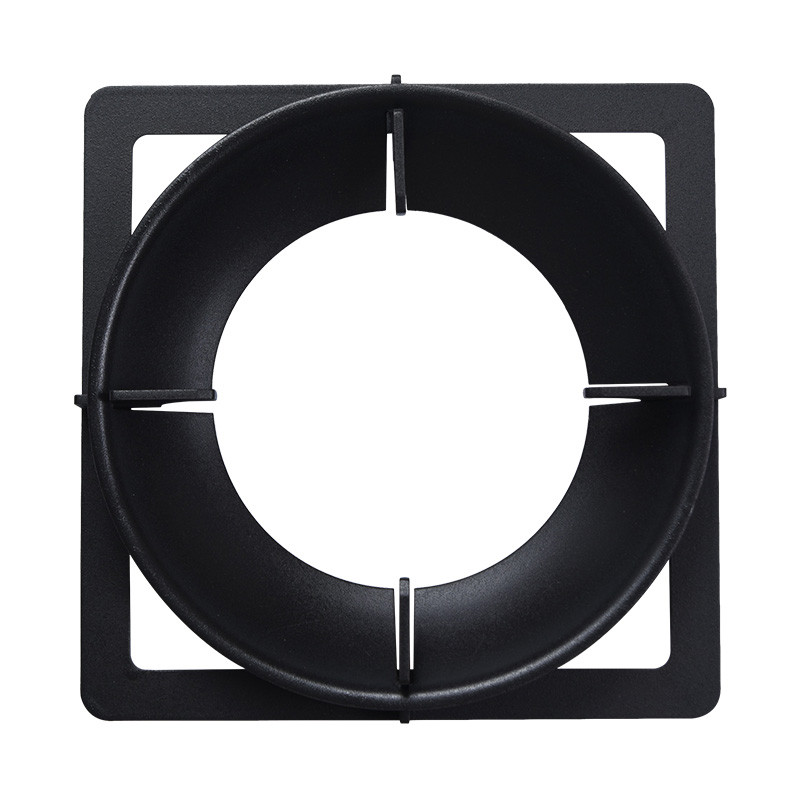
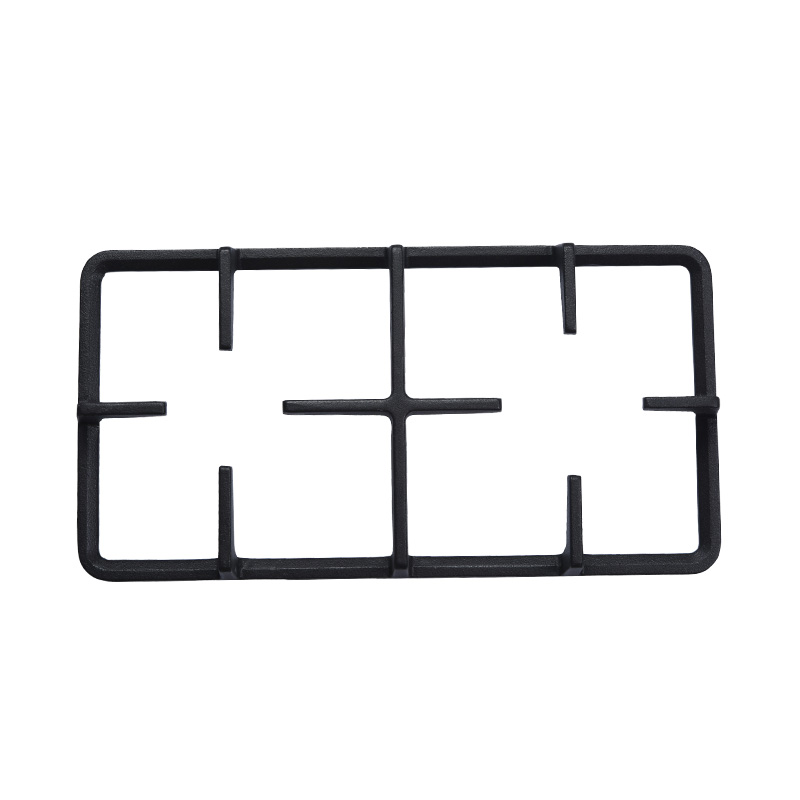
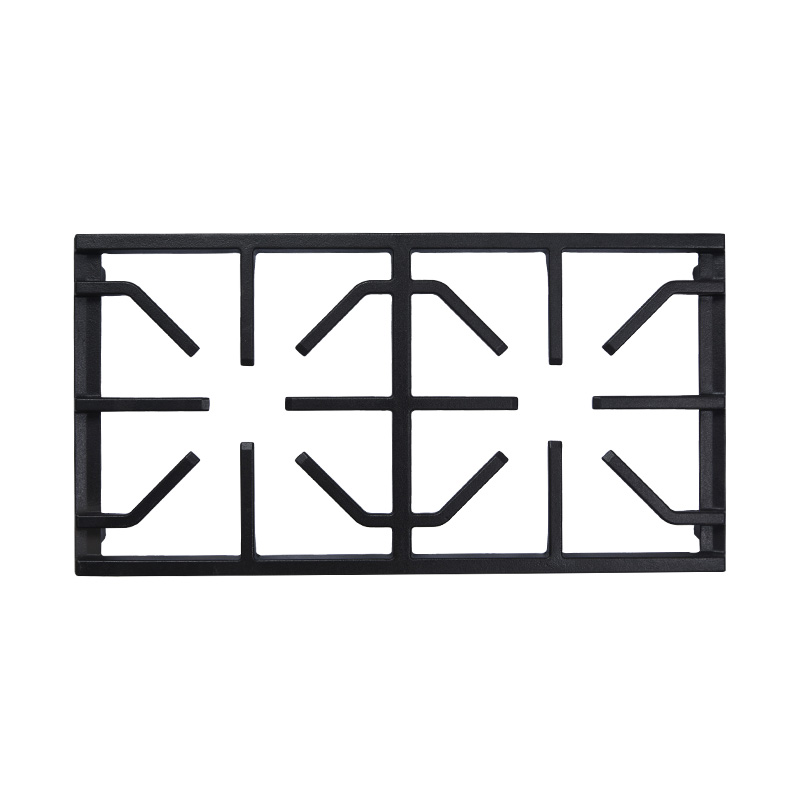
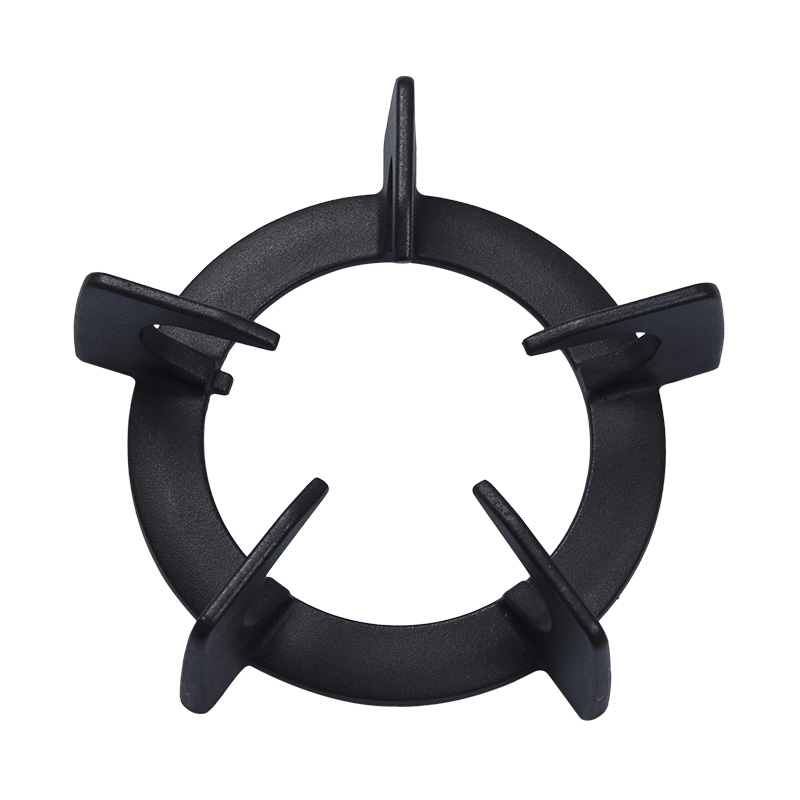
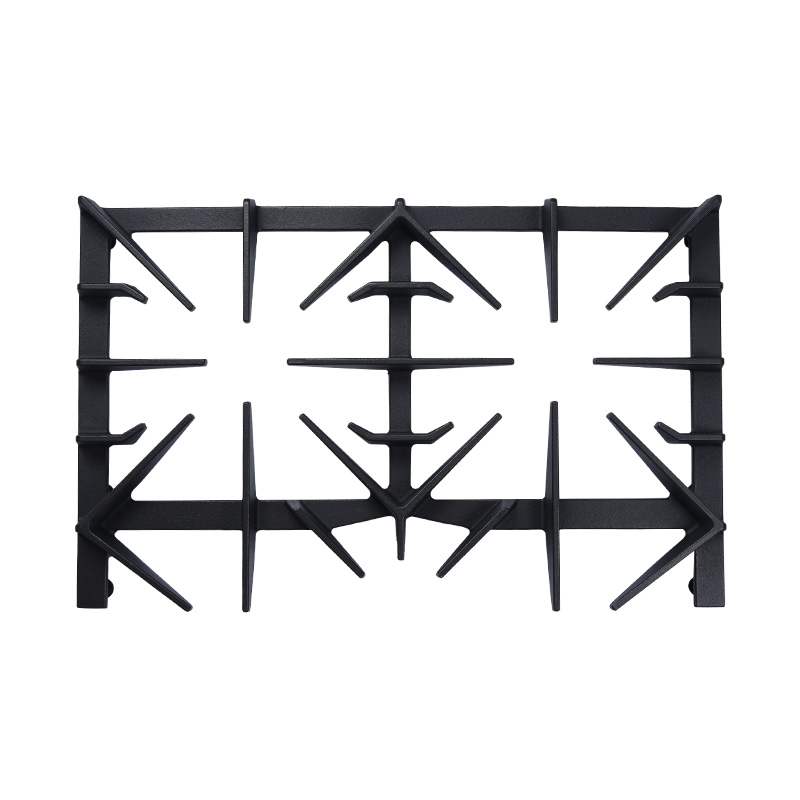
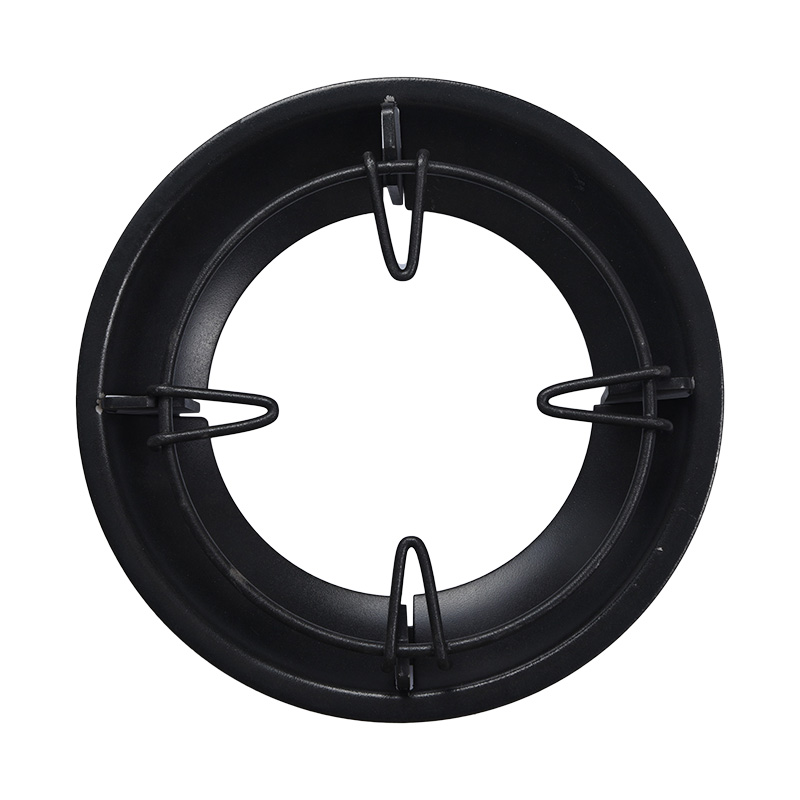
The Cast Iron Enameled Gas Stove Support is inherently dense due to the high mass of cast iron, which provides significant stability advantages. This weight ensures that cookware placed on the stove remains firmly anchored, reducing the risk of accidental tipping, spilling, or uneven heating. The mass also stabilizes the stove itself, preventing it from shifting or wobbling during intense cooking processes such as vigorous stirring, heavy boiling, or the use of large, oversized pots. Additionally, the weight distribution across all points of the stove support creates a balanced center of gravity, which is critical in maintaining uniform contact between the stove burners and cookware. This stability not only enhances cooking efficiency but also contributes to overall kitchen safety, especially in commercial kitchens or households with high-frequency stove use.
While the weight of the Cast Iron Enameled Gas Stove Support contributes to superior stability, it inevitably affects portability. Users may find it more challenging to lift, move, or reposition the stove, particularly freestanding or countertop models. The combined weight of the cast iron support and the stove unit requires careful handling, often necessitating two-person lifts, trolleys, or additional mechanical support to prevent strain or injury. For mobile kitchens, catering setups, or cleaning operations where the stove needs to be frequently relocated, this added weight can pose logistical challenges. Despite this drawback, most users prioritize safety, load-bearing capacity, and stability over mobility, making cast iron supports ideal for permanent or semi-permanent installations.
The mass of the Cast Iron Enameled Gas Stove Support ensures that the weight of cookware is evenly distributed across all points of the stove. This even load distribution reduces localized stress on the enamel coating and underlying cast iron, preventing cracking, warping, or long-term surface damage. The dense support also improves safety by keeping heavy pots and pans stable during cooking, reducing the risk of tipping or accidental contact with hot surfaces. The combination of weight and enamel coating creates friction between the cookware and support, further preventing slipping or lateral movement. In commercial kitchens or high-use domestic settings, these properties are critical for reducing accidents and maintaining consistent cooking performance.
Heavier Cast Iron Enameled Gas Stove Supports act as thermal stabilizers by absorbing and redistributing heat from the stove burners. The substantial mass reduces the risk of hot spots, uneven cooking, or warping of cookware, providing a more consistent heat transfer surface. The enamel coating enhances this effect by protecting the cast iron from corrosion while maintaining surface smoothness and promoting uniform heat distribution. As a result, heavier supports contribute not only to physical stability but also to cooking consistency and efficiency. This thermal stability prevents sudden expansions, contractions, or uneven heating that could otherwise compromise cookware balance or safety, making cast iron supports particularly suitable for continuous, high-intensity cooking environments.
When choosing a Cast Iron Enameled Gas Stove Support, users should carefully balance the benefits of weight for stability against portability needs. For stationary kitchens or permanent installations, heavier supports provide superior load-bearing capacity, safety, and thermal performance. However, for portable or mobile cooking setups, lighter alternatives or modular cast iron designs may be preferable to facilitate movement without significantly compromising stability. Proper lifting techniques, two-person handling, or the use of mechanical aids are recommended to safely manage the weight, protecting both the appliance and the user. With correct handling and strategic placement, cast iron supports maximize safety, durability, and performance, ensuring long-term reliability and consistent cooking results.

Come collaborate with us.

+86-13034673865


No. 5, Sunjiadifan, Shangtian Street, Fenghua District, Ningbo City, Zhejiang Province, China
Copyright © Ningbo Yisheng Machinery Co., Ltd. All Rights Reserved


 English
 中文简体
中文简体 Español
 русский