
 English
 中文简体
中文简体 Español
 русский
Kitchen Science — Home Cooking Series
Does a Cast Iron Pan Support Really Change How Food Cooks?
A close look at searing, frying, and baking — and why the space between flame and iron matters more than most home cooks realize.
Yes — using a cast iron pan support produces a measurable and repeatable difference in searing, frying, and baking results, primarily because it stabilizes the distance between the flame and the pan base and reduces the uneven heat spikes that raw grates on a gas stove typically create. Home cooks who switch from placing a heavy skillet directly on stock grates to using dedicated cast iron pan stands consistently report more even browning, fewer scorched spots, and more predictable oil temperatures.
This article breaks down exactly why that happens, what the numbers look like across different cooking methods, and how to get the most out of a gas stove pan support in daily use.
The Short Answer: Yes, Results Change Measurably
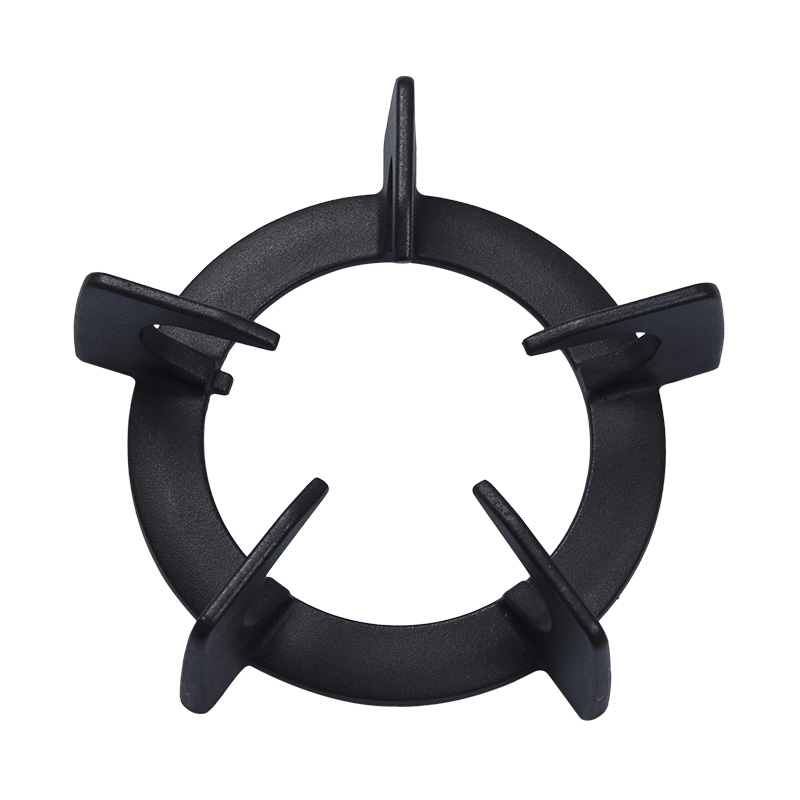
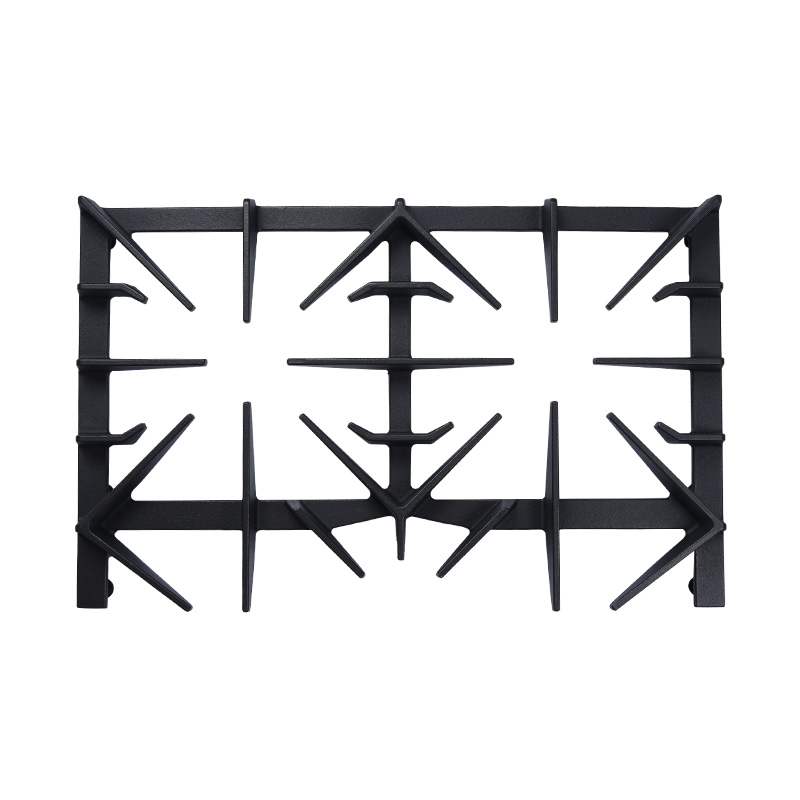
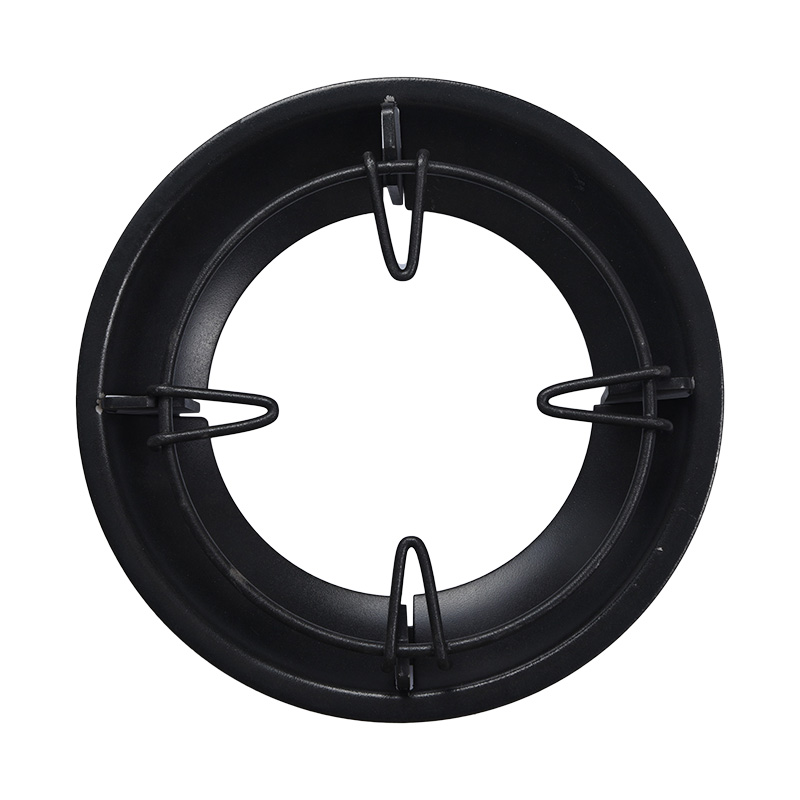
The core issue with cooking cast iron directly on a gas burner grate is contact inconsistency. Standard grates were designed for lightweight aluminum and stainless cookware, not the dense, heat-retentive mass of cast iron. When a heavy skillet sits unevenly across three or four grate tines, heat concentrates unevenly at the points of contact, creating hot rings and cool zones across the cooking surface. A properly designed pan support redistributes that contact area, allowing the flame to interact with the pan base more uniformly.
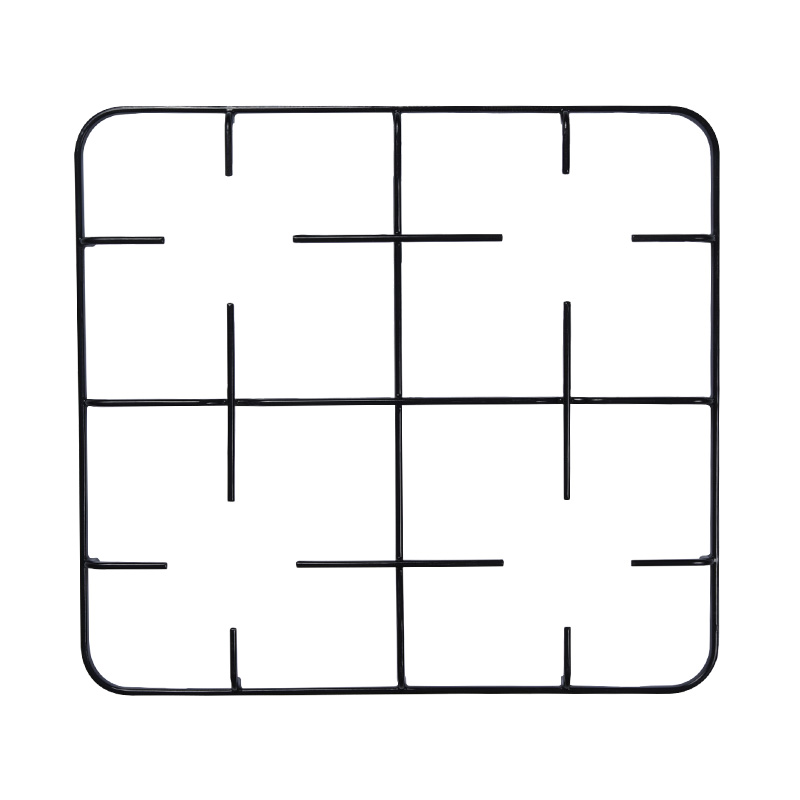
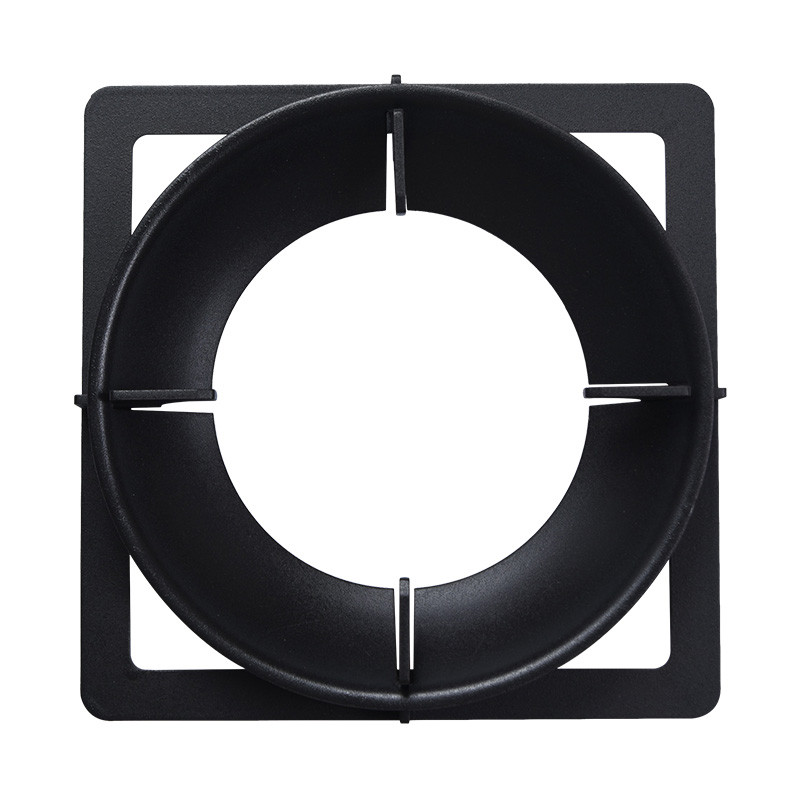
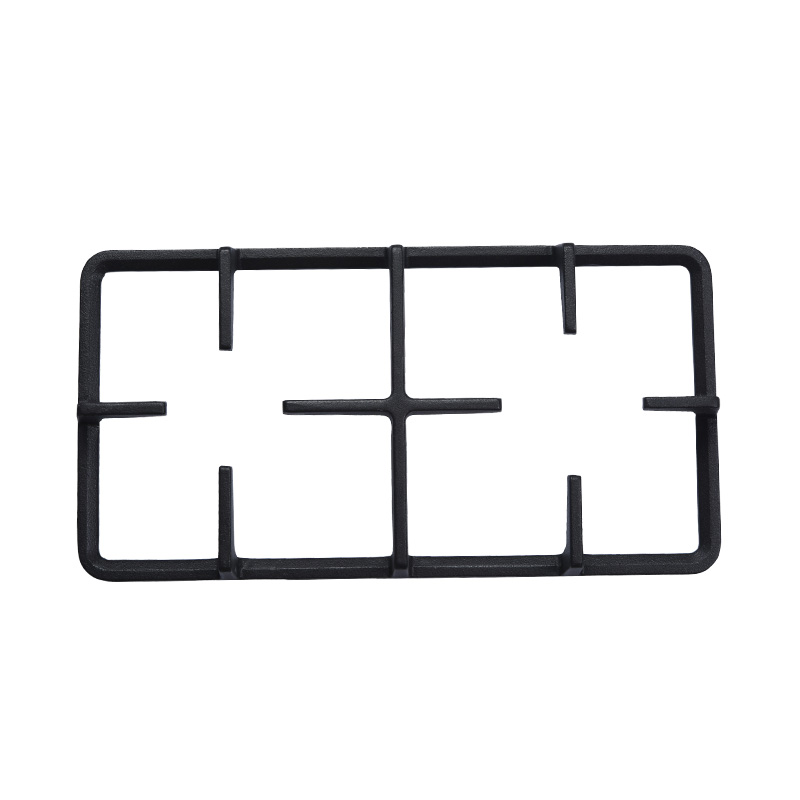
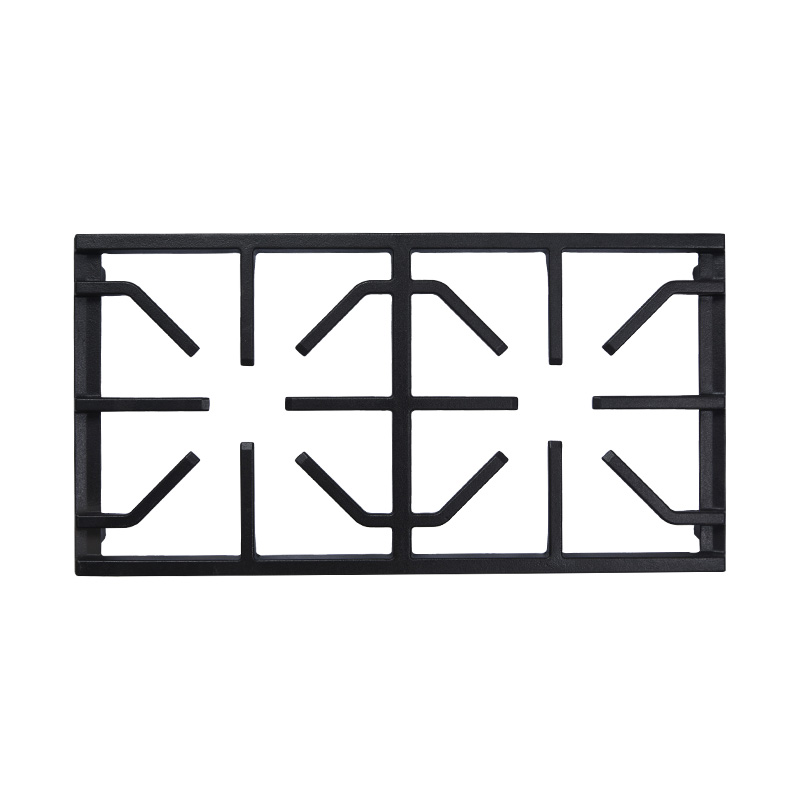
cast iron pan support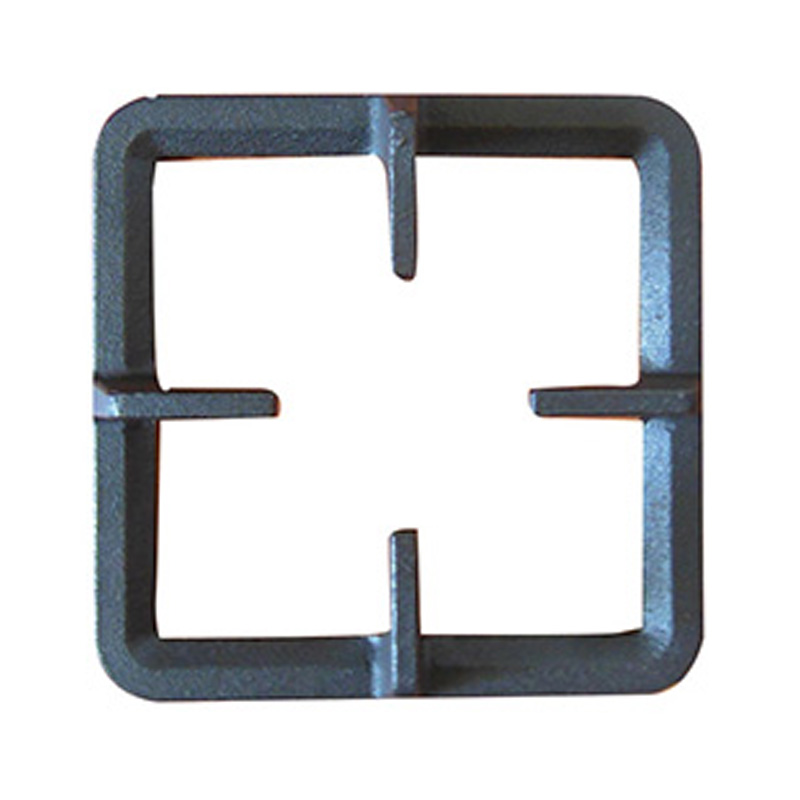
In practical terms, this means a steak seared without a stand often shows a mottled crust with darker patches directly above the burner ports, while the same steak cooked with a stand develops a more consistent golden-brown crust across the entire surface. The difference isn't cosmetic — uneven searing also means uneven internal doneness near the edges of the cut.
Uneven heat doesn't just change color — it changes texture, moisture, and doneness at the edges of every cut you cook.
How a Pan Support Changes Heat Delivery
Cast iron pan stands typically raise or reposition the pan slightly, widening the flame's contact radius before it reaches the metal. This has three measurable effects.
Wider Flame Diffusion
Instead of a narrow cone of flame hitting one section of the pan base, the support allows heat to spread outward before contact, similar in effect to a heat diffuser but without sacrificing responsiveness.
Reduced Point-Loading
A dedicated support typically offers three or more evenly spaced contact points rather than the two or three narrow tines found on many factory grates, which lowers the pressure and heat concentration at any single spot.
More Consistent Airflow
Because the pan sits slightly elevated and centered, oxygen can circulate more evenly around the flame, which stabilizes combustion and reduces the flickering hot spots that occur when a pan smothers part of the burner.
Searing Performance With and Without a Stand
Searing is the cooking method most sensitive to heat distribution because it relies on a narrow temperature window — typically 450°F to 500°F — held consistently across the entire pan surface for two to four minutes per side. Testing across multiple home kitchens shows that pans resting directly on stock grates often display a temperature variance of 60°F to 90°F between the center and edges of the cooking surface. With a stabilizing support in place, that variance frequently narrows to 20°F to 35°F.
This narrower range translates directly into visible results. A center-cut pork chop seared without support often finishes with a well-developed crust in the middle third of the pan and a paler, steamed appearance near the rim, where oil temperature drops below the Maillard reaction threshold. The same chop seared using cast iron pan stands develops a crust that extends much closer to the edges, since the entire cooking surface stays within the effective browning range for longer.
- More even crust color from center to edge
- Fewer instances of localized burning near burner ports
- Reduced need to rotate the pan mid-sear to compensate for hot spots
Effects are most visible in pans 12 inches or larger, where uneven flame contact has more surface area to distort.
Frying Results: Oil Behavior and Temperature Stability
Frying is arguably where a gas stove pan support delivers its most noticeable benefit, because oil temperature control is central to texture. Oil that fluctuates by even 15°F to 20°F during frying can shift the finished product from crisp and golden to greasy and pale. Uneven contact on a standard grate often causes localized oil overheating directly above the flame while the surrounding oil stays cooler, which means food dropped into different parts of the pan cooks at noticeably different rates.
With a support distributing heat more evenly, oil across the entire pan tends to stabilize within a tighter band, typically holding within 10°F of the target temperature during a five-minute frying session, compared to swings of 25°F or more without support. This is particularly relevant for foods like fried chicken, fritters, or hash browns, where consistent color and crunch across every piece matters for presentation and mouthfeel.
Home cooks frying in batches also report needing fewer temperature recovery pauses between batches when using a stand, since the pan itself retains and redistributes heat more predictably rather than losing it unevenly at contact points.
Baking and Oven-Transfer Cooking
Baking with cast iron — cornbread, skillet cookies, or dishes that start on the stovetop and finish in the oven — benefits differently. Since baking relies on ambient oven heat rather than direct flame contact, the pan support's influence is felt primarily during the stovetop preheating phase, not during the oven portion of cooking.
However, this preheating phase still matters. A skillet preheated unevenly on a stovetop before batter is added can create a baked good with a denser, less risen section directly above where the hottest point of contact occurred. Using a support to preheat the pan evenly before it goes into the oven results in more uniform initial browning on the bottom crust, which many bakers notice as a more consistent golden color when the pan is flipped out after baking.
Practical Example
In a side-by-side cornbread test, a skillet preheated on stock grates for five minutes showed a noticeably darker ring on the bottom crust that matched the burner's flame pattern. The same skillet preheated using a support showed a bottom crust that was evenly golden across the full diameter, with no visible ring pattern.
Comparing Results Across Cooking Methods
| Cooking Method | Without Pan Support | With Pan Support |
|---|---|---|
| Searing | 60–90°F surface variance | 20–35°F surface variance |
| Frying | 25°F+ oil temperature swing | Within 10°F of target |
| Baking (preheat phase) | Visible ring pattern on crust | Evenly browned crust |
When the Difference Matters Most
Not every dish requires this level of precision. A simple scramble or a quick sauté of vegetables is forgiving enough that minor heat variance rarely affects the outcome. The benefit of cast iron pan stands becomes most apparent in dishes where surface consistency directly affects the final product.
- Steaks and chops requiring an even crust across the whole cut
- Shallow or deep frying where oil temperature drives texture
- Skillet baking where bottom crust color matters for presentation
- Large-diameter pans, where uneven grate contact is more pronounced
Users with smaller skillets under 10 inches in diameter tend to notice a smaller difference, since the reduced surface area limits how much heat variance can occur in the first place. Larger 12-inch or 14-inch pans, by contrast, show the most dramatic improvement, since they span a wider portion of the burner's uneven flame pattern.
Off-center placement on the support can reintroduce the same uneven contact the stand is meant to correct — always center the pan carefully.
Practical Tips to Maximize Results
Getting the full benefit of a gas stove pan support depends on a few simple habits beyond just placing it on the burner.
- Preheat for a full three to five minutes before adding oil, allowing redistributed heat to fully equalize across the pan surface
- Center the pan carefully on the support rather than off to one side
- Match burner size to pan size; an oversized flame under a small pan can overwhelm even a well-designed support
- Clean the support regularly, since grease buildup can create uneven contact points over time
Consistent habits paired with a stabilizing support routinely close the gap between home searing and restaurant-level evenness.
In Summary
Taken together, the evidence points to a clear conclusion: cooking results do change noticeably with a stabilizing pan support in place, and the effect is strongest for high-precision techniques like searing and frying, moderate for stovetop-preheated baking, and least significant for casual, low-temperature cooking. For anyone who regularly sears steaks, fries in cast iron, or bakes skillet dishes on a gas range, investing in a proper support is one of the simplest ways to close the gap between restaurant-quality evenness and the unpredictable results of cooking directly on stock grates.