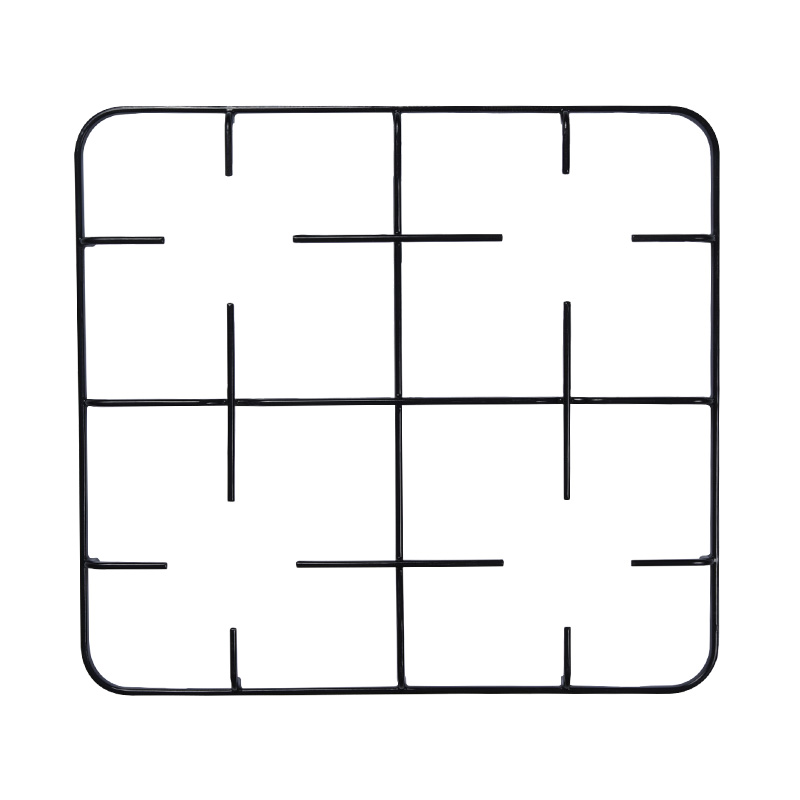
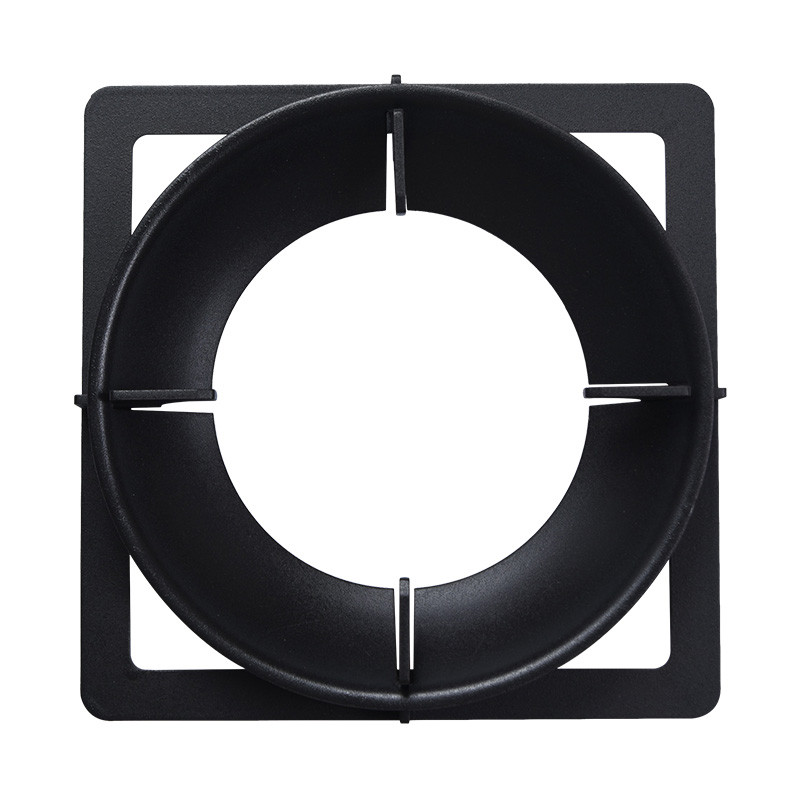
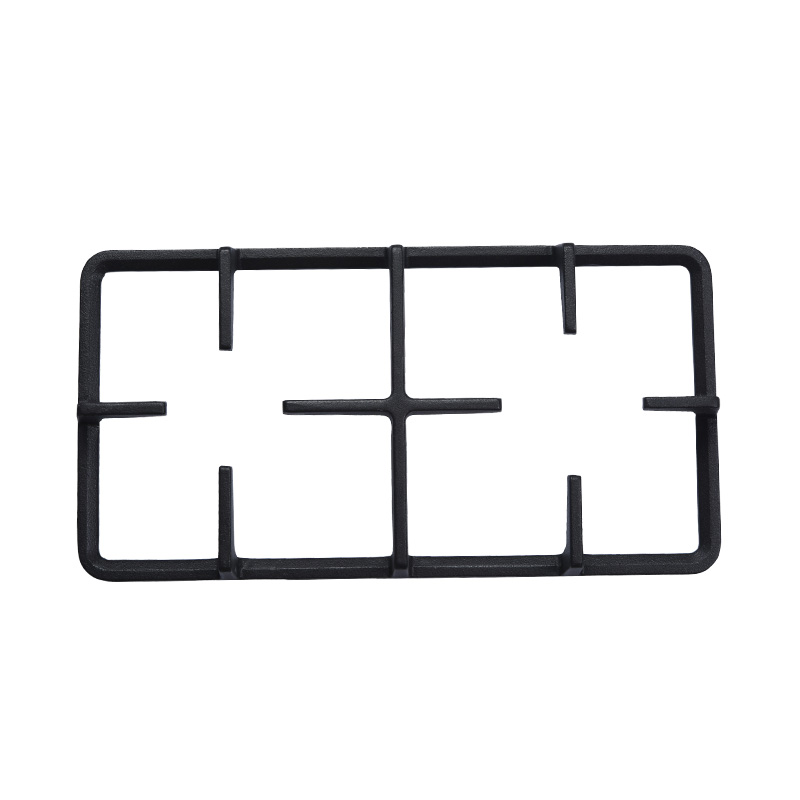
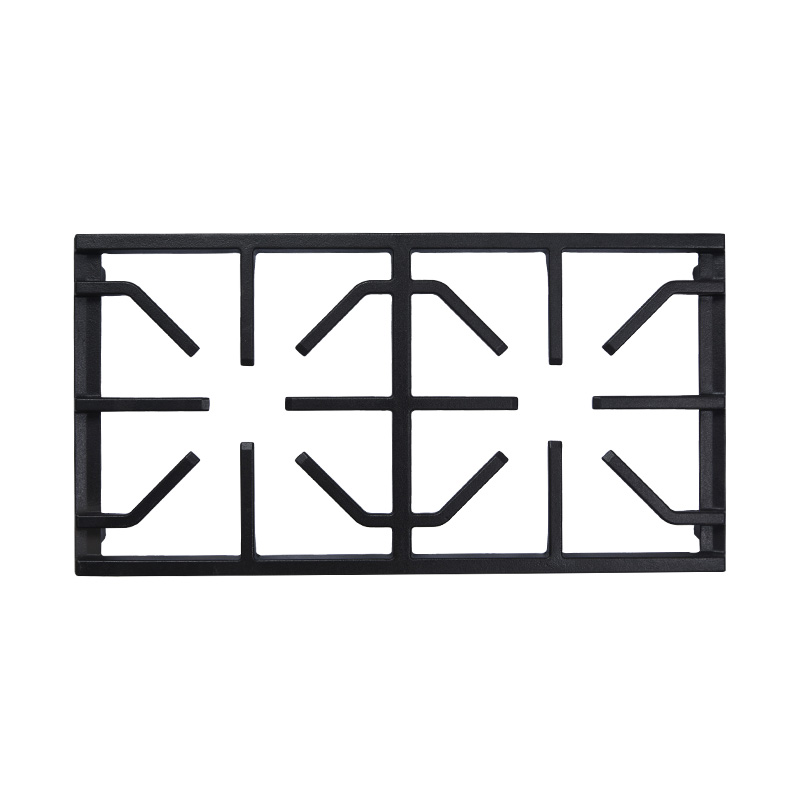
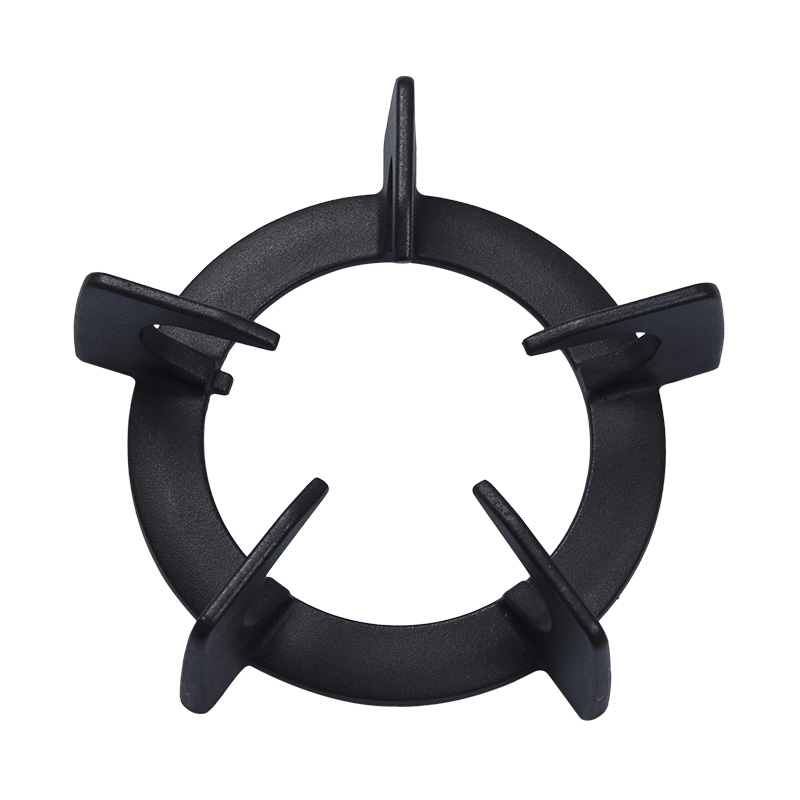
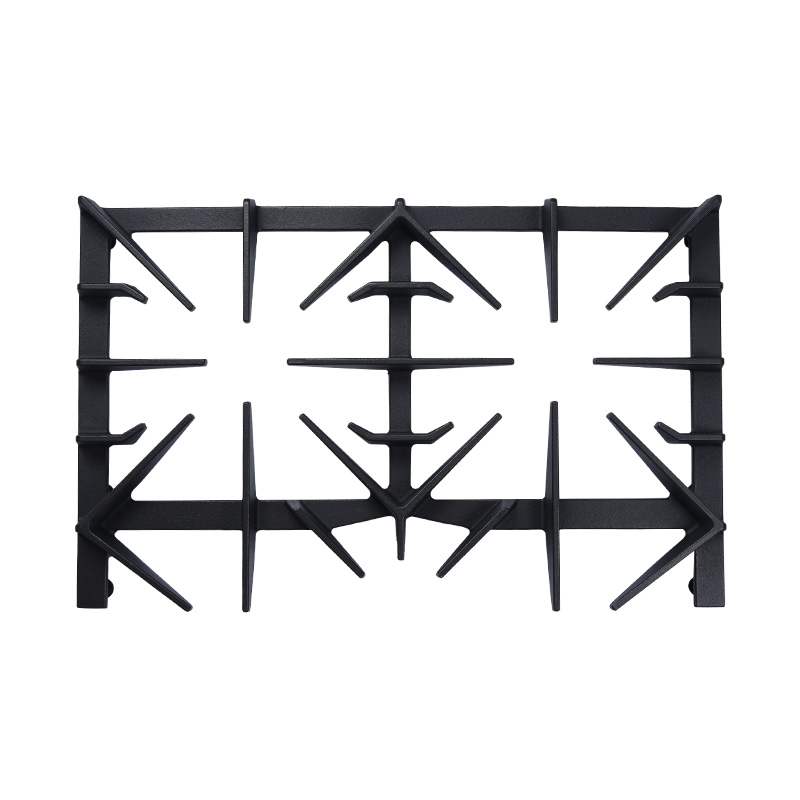
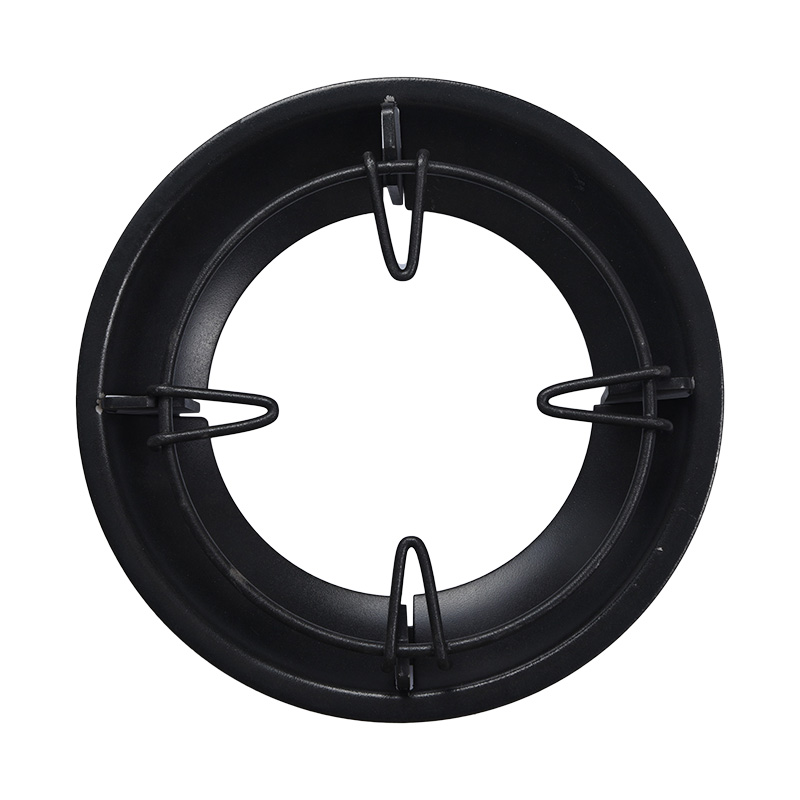
The design of a Cast Iron Pan Support ensures a level, flat, and stable surface, which is paramount for even heat distribution. This flat base provides consistent contact between the pan and the support, allowing for optimal heat transfer from the cooking surface to the pan. By ensuring the pan rests evenly, the support eliminates the potential for uneven heating, which could result in hot spots or undercooked areas of food. This feature is particularly beneficial when cooking at high temperatures, where even heat distribution is crucial to prevent burning or uneven cooking.
One of the standout characteristics of cast iron is its exceptional heat retention properties. Unlike lighter materials, cast iron has a high thermal mass, meaning it can absorb and retain heat for longer periods. As heat is applied from the stove or heat source, the cast iron pan support evenly absorbs the heat and distributes it throughout the entire surface. This consistent heat transfer ensures that the heat is spread uniformly across the bottom of the pan, eliminating hot spots that could cause uneven cooking results. Whether you're frying, searing, or simmering, this even heat distribution helps achieve the desired cooking outcome without fluctuations in temperature.
Many cast iron pan supports feature ribbing or lattice patterns, often incorporated into the design for practical reasons. These raised grooves or patterned designs enhance airflow and improve heat circulation beneath the pan. The raised sections not only help provide better support for the pan but also create additional space between the pan and the stove surface, allowing air to flow more freely. This airflow aids in distributing heat more evenly and reduces the likelihood of localized temperature imbalances. Such designs are particularly useful when the pan is larger, as they help maintain an optimal level of heat throughout the entire cooking surface.
Cast iron, although not as conductive as materials like copper, is still well-regarded for its uniform heat conduction properties. The dense, solid structure of cast iron ensures that once heat is absorbed, it is distributed across the entire surface of the pan support. This uniform distribution of heat is crucial for consistent cooking, especially when using pans that require even heating for specific techniques like browning or caramelizing. The slow, even transfer of heat from the support to the pan helps avoid the formation of heat hotspots, which can lead to uneven cooking or burning of food.
A cast iron pan support is versatile enough to accommodate multiple cooking methods that demand steady, even heat. Whether it's searing a steak, frying delicate fish, or slow-cooking a stew, the support ensures a consistent temperature throughout the cooking process. This steady heat is particularly valuable in high-heat cooking methods, where precision is key to achieving desired results without overcooking or undercooking. By providing a uniform heat source, the cast iron support contributes to a controlled cooking environment, which is essential for both professional chefs and home cooks who seek reliability and accuracy.
Certain cast iron pan supports are designed with specific height adjustments or slight elevation features that ensure the pan is optimally positioned relative to the heat source. This feature can be especially beneficial for stoves or burners that have varying heat intensities. By adjusting the height, the support can optimize the distance between the pan and the cooking surface, ensuring that the pan receives even heat distribution without overheating or causing uneven cooking. This feature is particularly advantageous when using high-powered burners or when dealing with extremely sensitive cooking methods that require precise heat control.

Come collaborate with us.

+86-13034673865


No. 5, Sunjiadifan, Shangtian Street, Fenghua District, Ningbo City, Zhejiang Province, China
Copyright © Ningbo Yisheng Machinery Co., Ltd. All Rights Reserved


 English
 中文简体
中文简体 Español
 русский