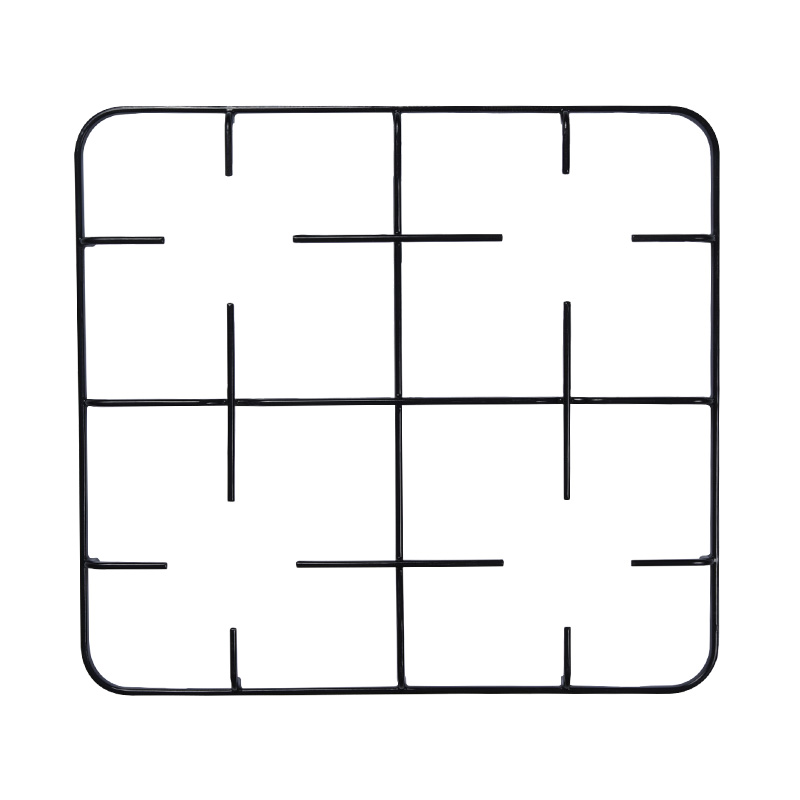
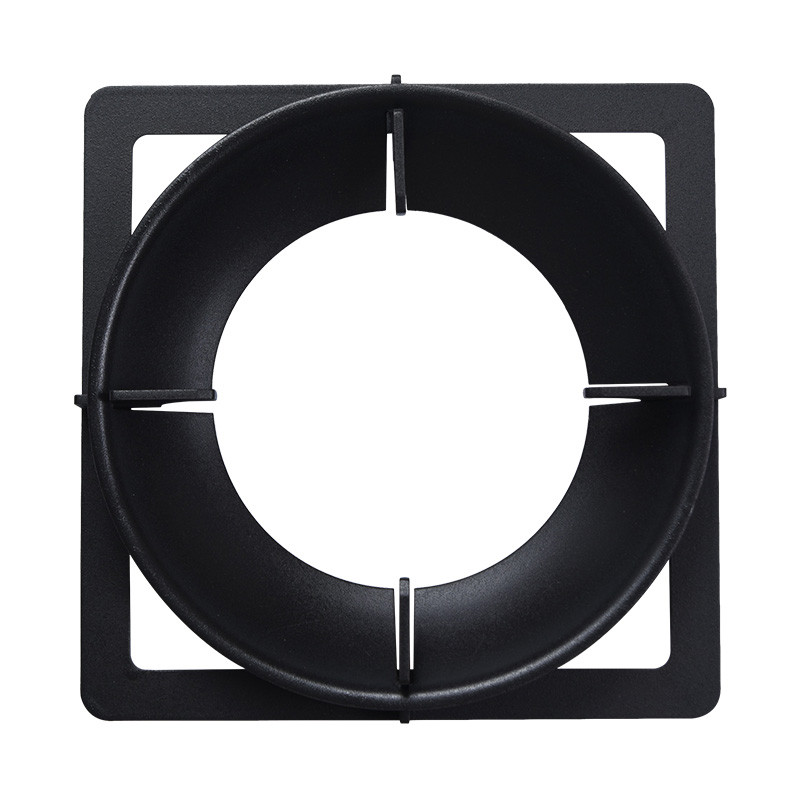
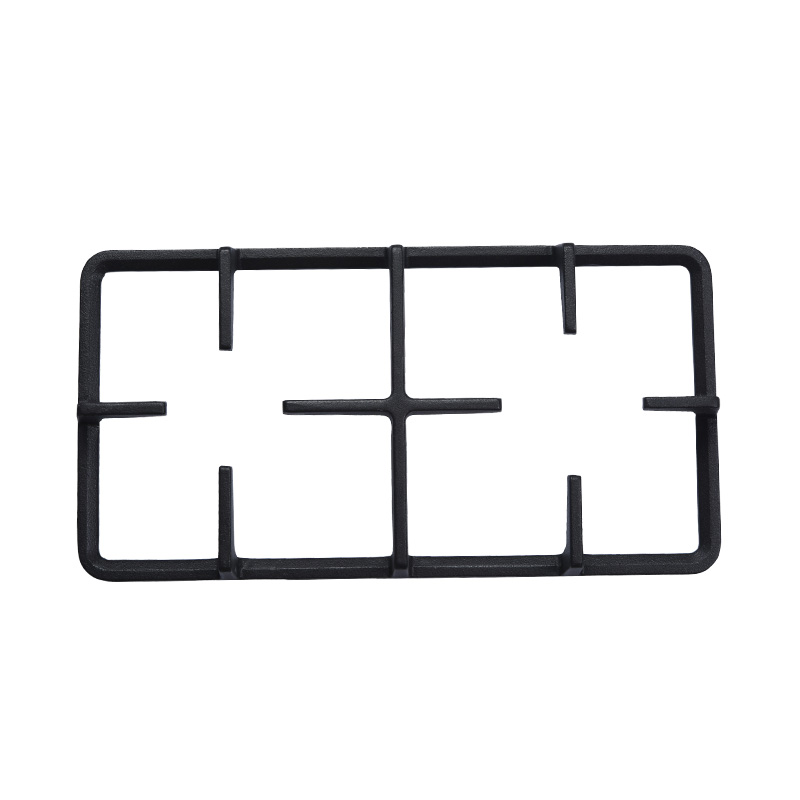
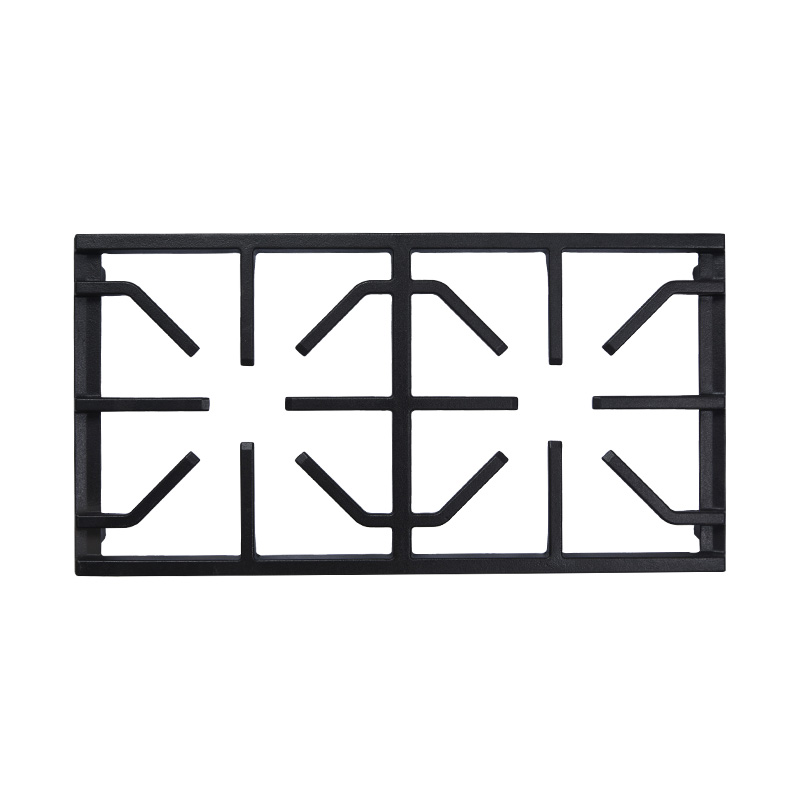
Cast Iron Baking Sheets are highly resistant to warping due to their dense material structure, substantial thickness, and uniform casting process. When exposed to high oven temperatures, cast iron expands more slowly and evenly than lightweight metals such as aluminum or thin steel. This controlled thermal expansion significantly reduces internal stress, which is the primary cause of warping in baking sheets. The high mass of Cast Iron Baking Sheets allows them to absorb and distribute heat uniformly across the entire surface, preventing hot spots that could cause localized expansion or distortion. As a result, even during prolonged baking sessions at elevated temperatures, the sheet maintains its flatness and structural stability, ensuring consistent contact with oven racks and reliable baking performance.
The structural integrity of Cast Iron Baking Sheets is one of their most valued characteristics. High-quality cast iron is produced using carefully controlled casting and cooling methods that reduce internal voids and residual stresses within the material. This manufacturing process results in a baking sheet capable of withstanding extended exposure to high heat without developing stress fractures or cracks. Under normal baking and roasting conditions, cracking is extremely uncommon. However, because cast iron is inherently rigid rather than flexible, cracking may occur if the baking sheet is subjected to severe mechanical shock, such as being dropped or struck against hard surface. With proper handling, Cast Iron Baking Sheets can remain structurally sound and fully functional for decades of regular use.
While Cast Iron Baking Sheets excel in heat retention and thermal stability, they require proper handling to avoid thermal shock. Thermal shock occurs when the baking sheet experiences sudden and extreme temperature changes, such as placing a hot sheet under cold running water or transferring it directly from a high-temperature oven to a cold surface. These abrupt changes can cause uneven contraction within the material, potentially leading to cracking. To prevent this, users should allow Cast Iron Baking Sheets to cool gradually at room temperature before cleaning or storage. When temperature transitions are managed correctly, cast iron demonstrates excellent resistance to thermal stress and performs reliably even in demanding high-temperature baking environments.
In high-heat baking applications, Cast Iron Baking Sheets offer long-term durability that far exceeds most conventional baking trays. Their ability to resist warping ensures consistent baking results over time, while their resistance to heat-related degradation makes them suitable for artisan bread baking, pizza preparation, roasting, and oven-to-grill transitions. Unlike thinner materials that degrade or deform after repeated high-temperature exposure, cast iron maintains its performance and structural integrity. With proper care, including gradual temperature changes and routine maintenance, Cast Iron Baking Sheets provide exceptional longevity, reliability, and performance, making them a preferred choice for professional chefs and serious home bakers alike.

Come collaborate with us.

+86-13034673865


No. 5, Sunjiadifan, Shangtian Street, Fenghua District, Ningbo City, Zhejiang Province, China
Copyright © Ningbo Yisheng Machinery Co., Ltd. All Rights Reserved


 English
 中文简体
中文简体 Español
 русский