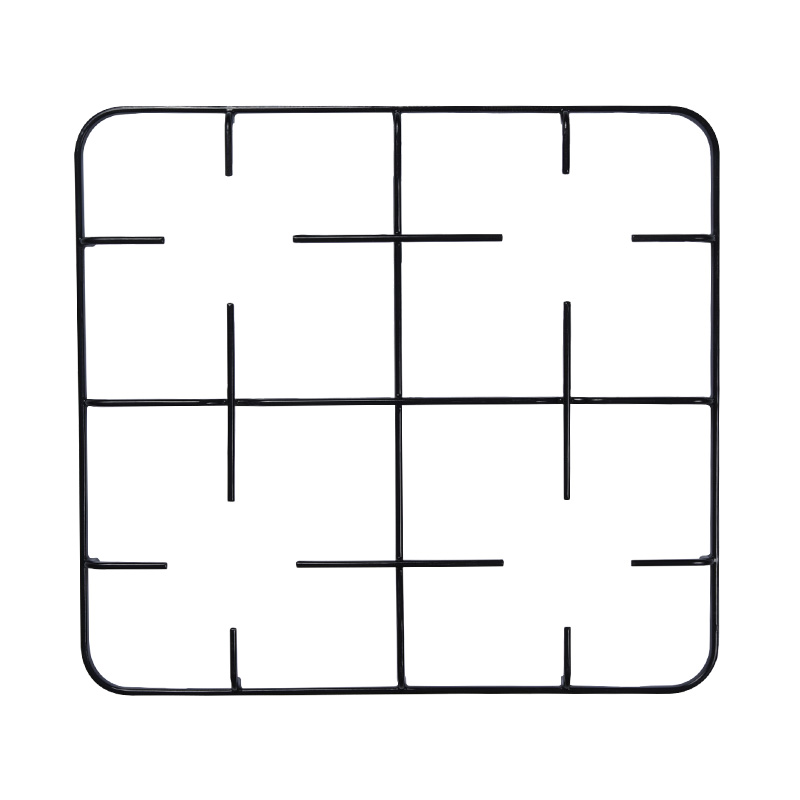
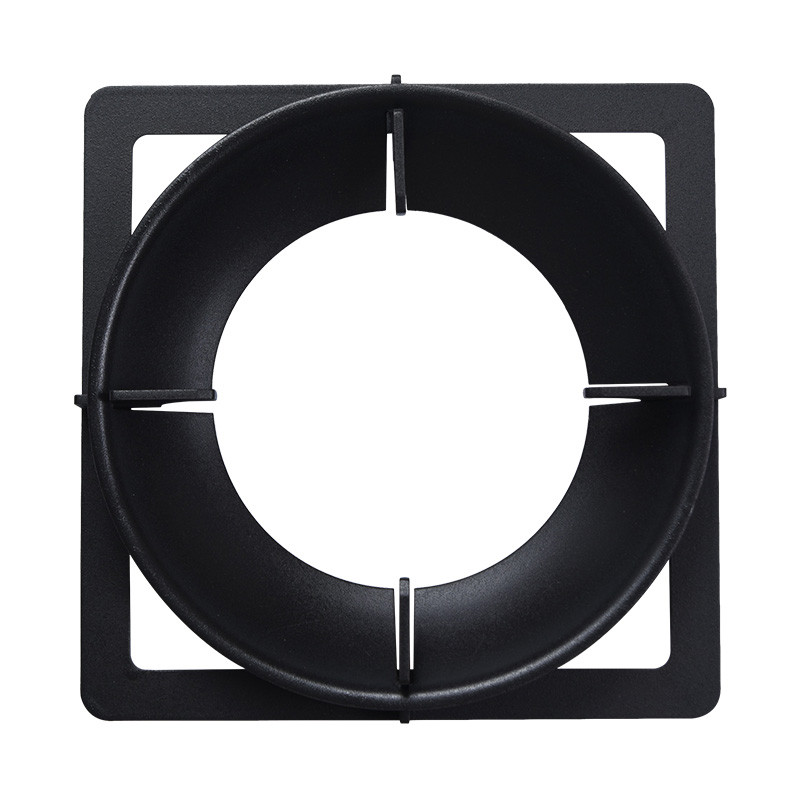
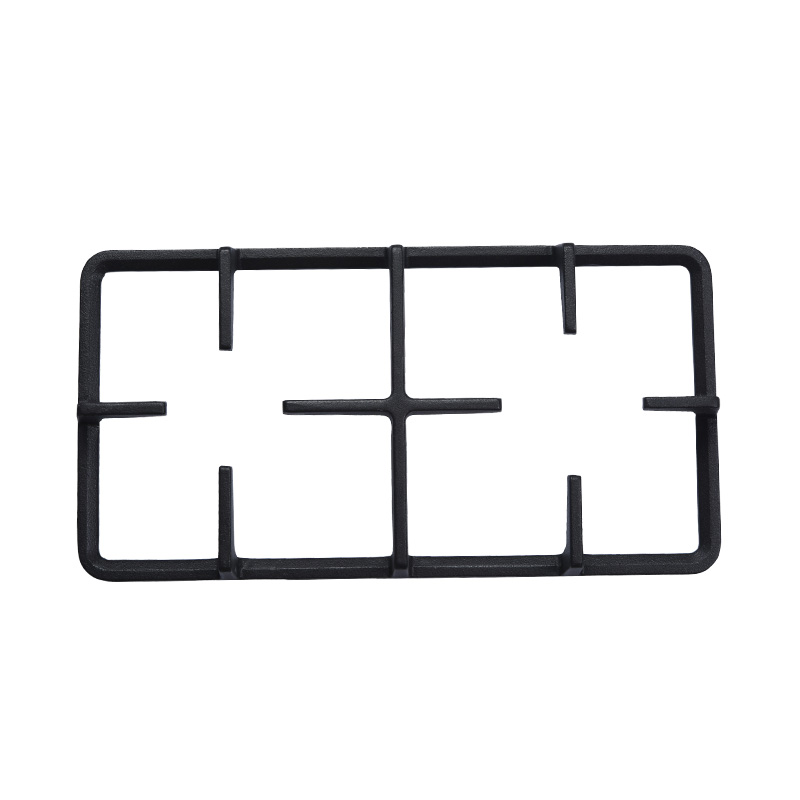
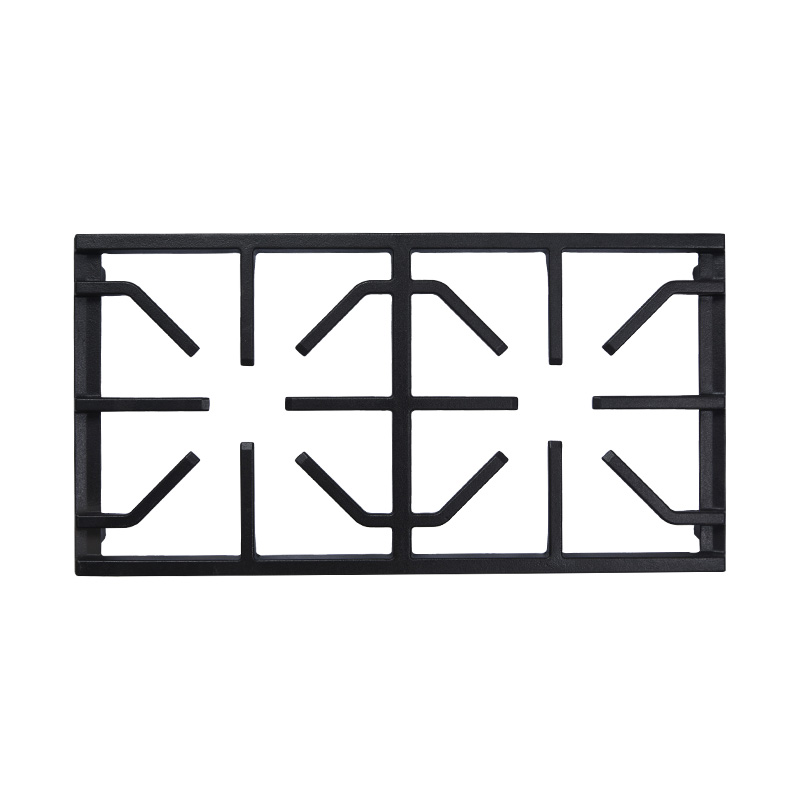
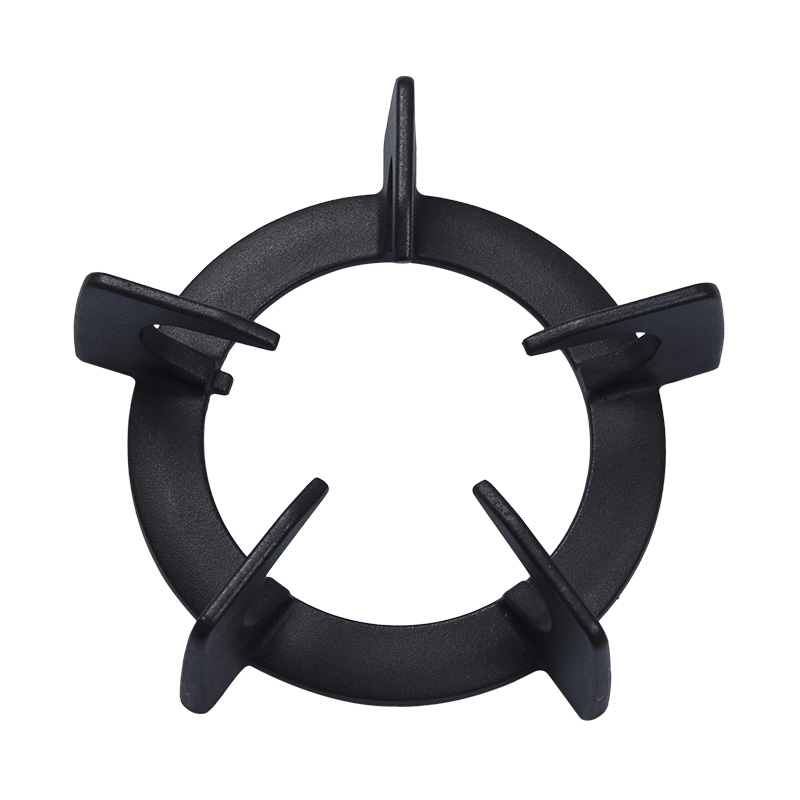
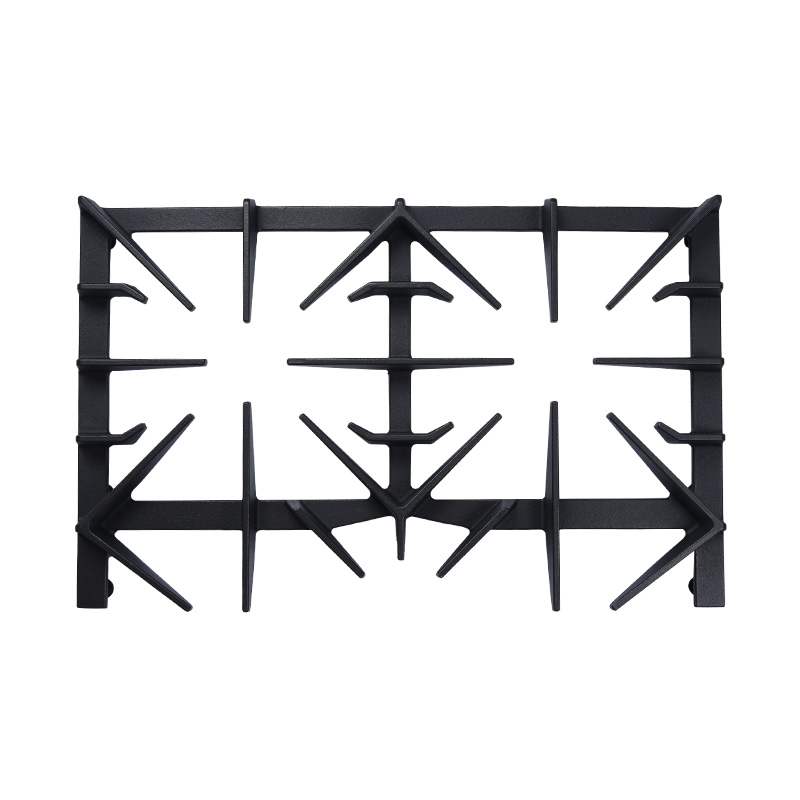
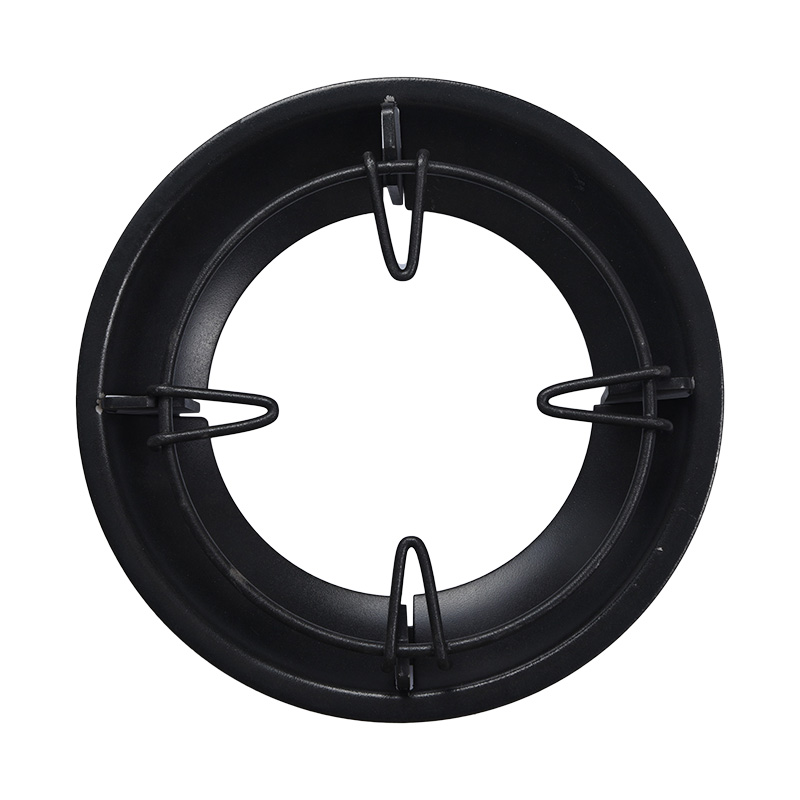
Material Composition and Intrinsic Corrosion Resistance
The material used in manufacturing the Liquefied Gas Stove Fine Furnace Support is the most fundamental factor determining its resistance to rust and corrosion. High-grade stainless steel, such as 304 or 430, is widely preferred due to its inherent ability to resist oxidation and maintain structural integrity under high-temperature and humid kitchen environments. Stainless steel contains chromium, which reacts with oxygen to form a passive chromium oxide layer on the surface. This layer acts as a protective barrier, preventing moisture, acids, and other corrosive substances from penetrating the metal. In contrast, carbon steel or low-grade mild steel lacks this natural protective layer, making it more susceptible to surface rust, pitting, and long-term corrosion. The presence of impurities, microcracks, or welding points in lower-quality steel can further accelerate rusting, especially in areas exposed to cooking residues or liquids. Therefore, the selection of stainless steel significantly enhances the long-term durability and safety of the support, ensuring that it can maintain performance under daily kitchen usage without compromising structural stability.
Surface Coating and Protective Finishes
The Liquefied Gas Stove Fine Furnace Support often incorporates surface coatings or specialized finishes to further improve its resistance to environmental and chemical damage. Enamel coatings, for instance, provide a chemically inert and hard surface that protects the underlying metal from direct contact with moisture, acidic foods, or detergents. While enamel significantly enhances corrosion resistance, it is important to note that chipping or cracking in the coating can expose the metal underneath, making localized areas prone to rust. Powder coatings offer a more uniform and durable barrier that adheres tightly to the metal surface, reducing the risk of corrosion even when the support is exposed to high temperatures and humidity. Additionally, polished or passivated finishes on stainless steel strengthen the passive oxide layer, improving resistance to both physical and chemical wear. The combination of high-quality material and appropriate surface treatment ensures the support maintains both functional integrity and aesthetic appearance over long-term use, even in demanding cooking environments.
Chemical Resistance to Common Cleaning Agents
The Liquefied Gas Stove Fine Furnace Support is frequently exposed to cleaning agents, which can affect its corrosion resistance depending on the chemical composition. Mild detergents and dish soaps are generally safe and do not degrade stainless steel or coated surfaces, effectively removing grease and food residues without compromising the protective layers. Acidic cleaners, such as vinegar or citric acid, are also tolerated by stainless steel to some extent; however, repeated and prolonged exposure can cause surface etching or dulling, especially if the cleaner is not rinsed promptly. Strong alkaline cleaners or abrasive powders can significantly damage coatings such as enamel or powder layers, leading to surface scratches, peeling, or accelerated corrosion. Even stainless steel, while more resilient, may develop localized corrosion if harsh chemicals remain on the surface for extended periods. The choice of cleaning agent and adherence to recommended cleaning practices are critical for maintaining the durability and performance of the support.
Mechanical Durability and Long-Term Stability
Beyond chemical resistance, the Liquefied Gas Stove Fine Furnace Support must withstand mechanical stress and thermal expansion without compromising its corrosion resistance. Heavy cookware, frequent repositioning, or accidental impacts can create micro-abrasions or scratches in the surface, exposing underlying metal and increasing the risk of rust. High-temperature cooking can accelerate the chemical reactions that lead to corrosion, especially if residue or liquid accumulates on the support. Therefore, it is essential that the support is designed with sufficient thickness, structural reinforcement, and high-quality coatings to resist mechanical wear over time. Regular inspection for early signs of rust, chipping, or surface damage allows users to address potential issues before they compromise safety or performance, extending the functional lifespan of the support significantly.

Come collaborate with us.

+86-13034673865


No. 5, Sunjiadifan, Shangtian Street, Fenghua District, Ningbo City, Zhejiang Province, China
Copyright © Ningbo Yisheng Machinery Co., Ltd. All Rights Reserved


 English
 中文简体
中文简体 Español
 русский