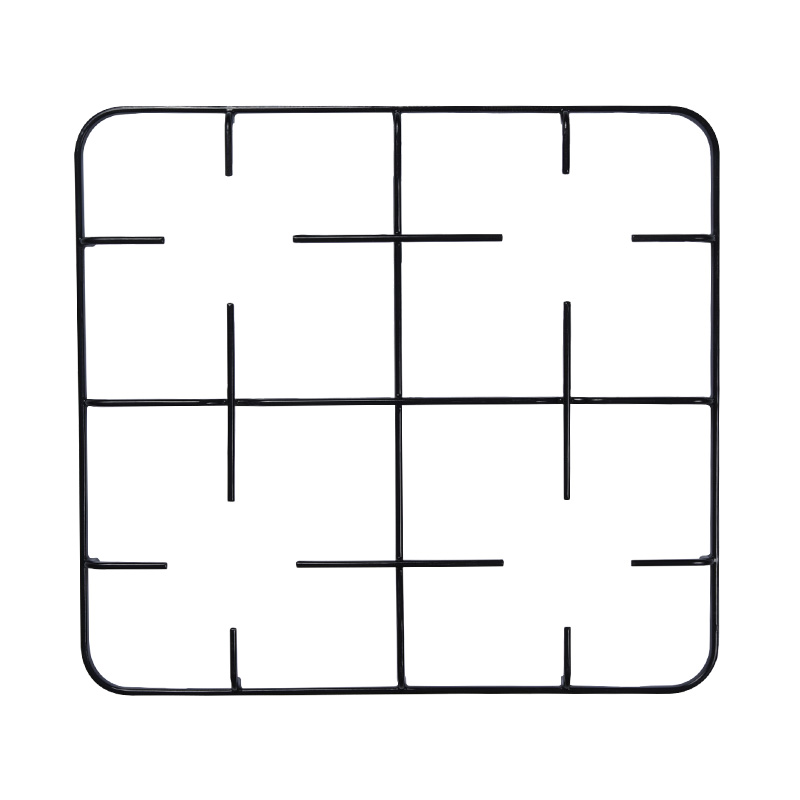
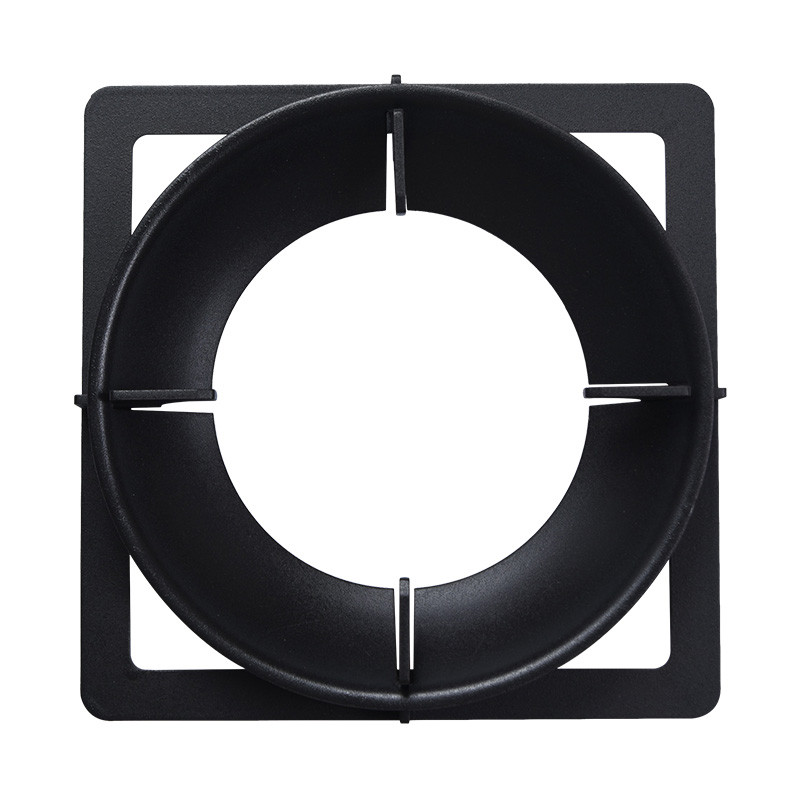
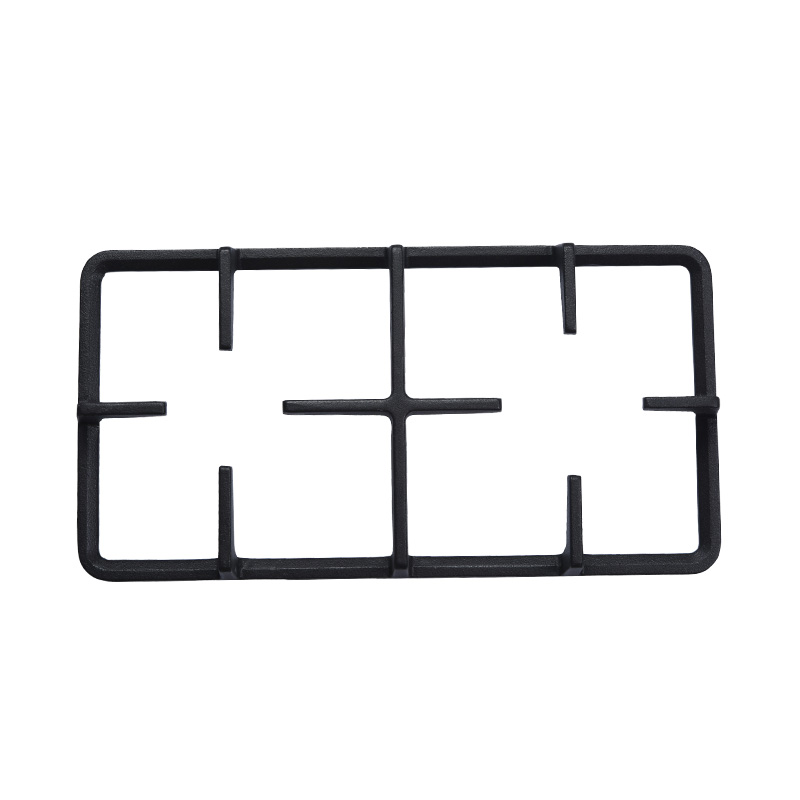
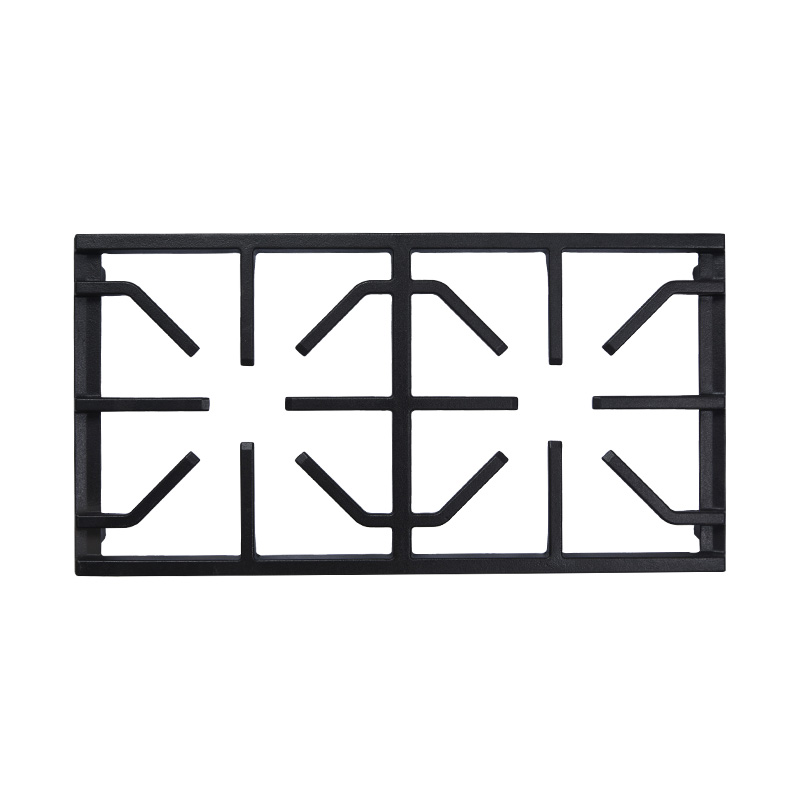
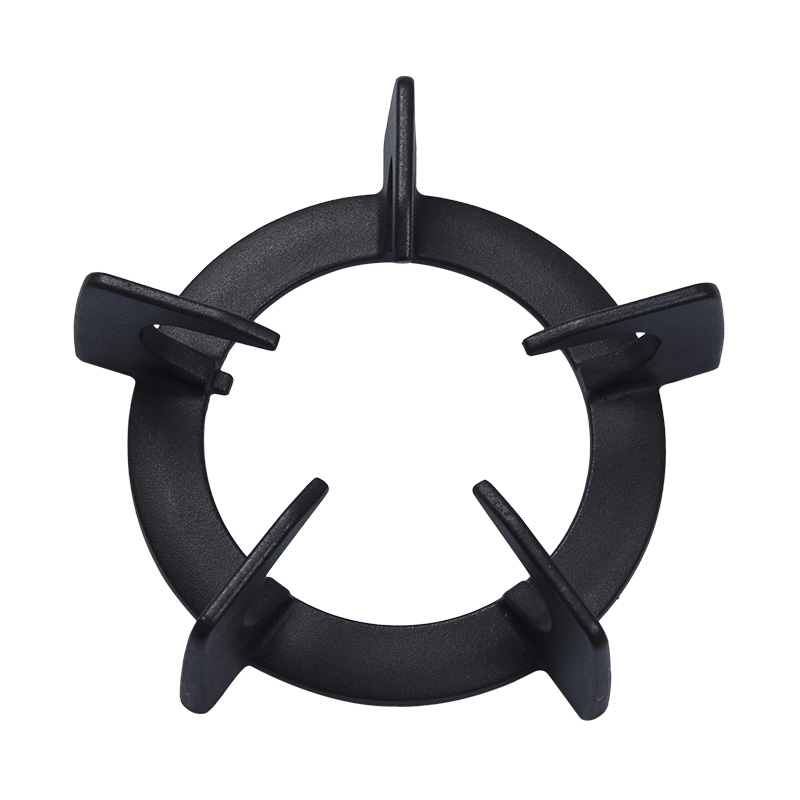
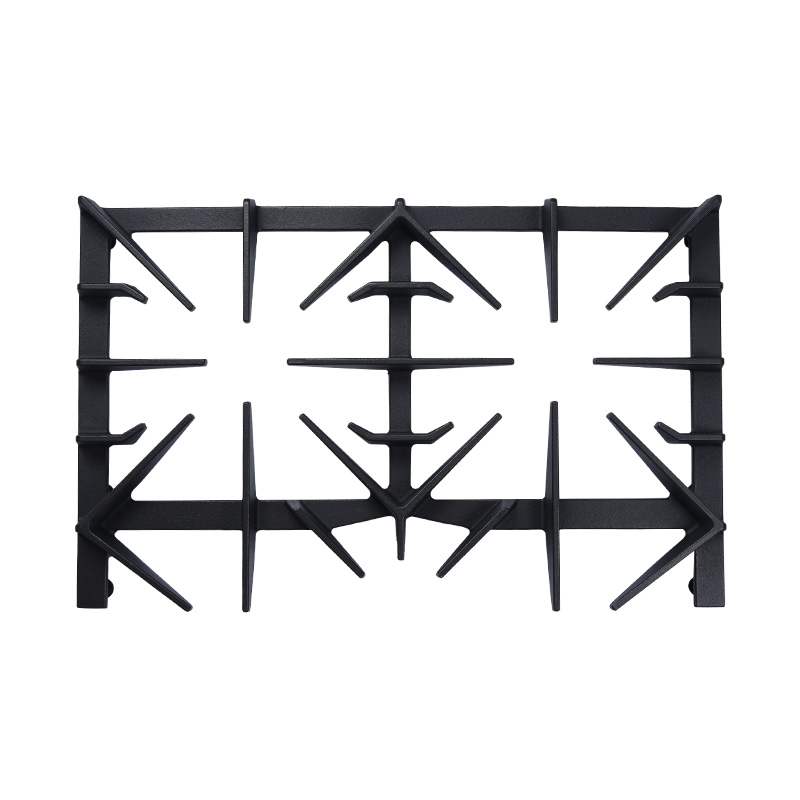
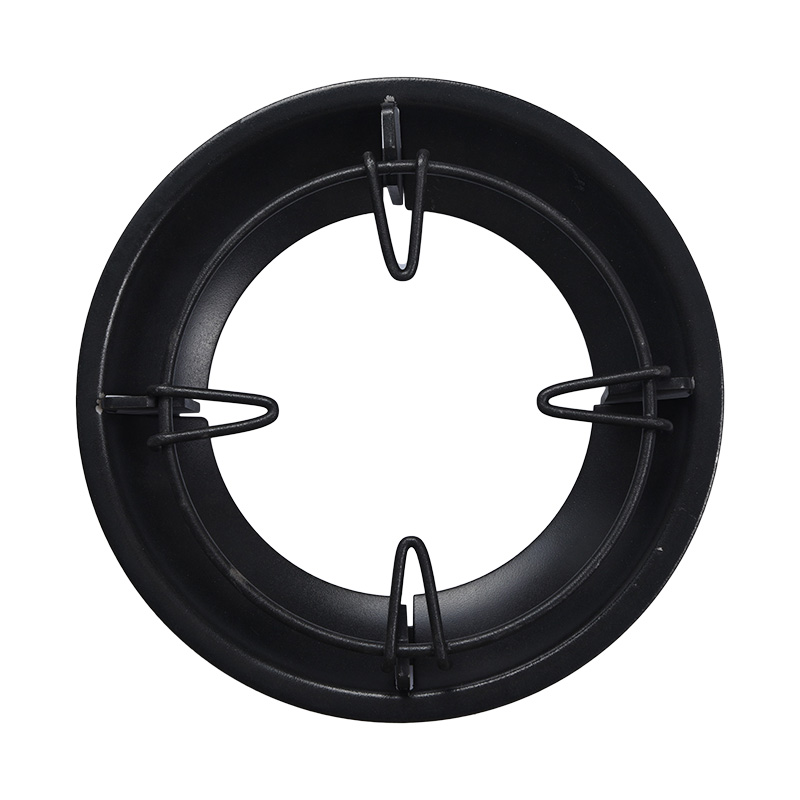
The pot support is compatible with your gas stove when its outer diameter, mounting hole spacing, and prong height match your burner base exactly. The fastest way to confirm this is to measure the diameter of your current pot support (or the burner base if none is installed), count the number of mounting points, and compare these figures against the replacement part's listed specifications. If the diameter is within 1–2 mm, the mounting holes align, and the support sits flush without wobbling, it is compatible. Guessing based on stove brand or appearance alone is unreliable, since many manufacturers use different pot support sizes even across models that look similar.
Gas stove pot supports are not standardized across the industry the way some other kitchen components are. Two stoves that look nearly identical from the outside can use burner bases with different diameters, different numbers of mounting legs, or different prong heights. This is especially common when comparing residential ranges to commercial cooking equipment, or when comparing older stove generations to newer ones from the same product line.
Because of this variation, a support that fits visually but is even a few millimeters off in diameter can create an unstable cooking surface. A mismatched support may rock under the weight of a full pot, sit unevenly on the burner ring, or fail to seat into the mounting holes at all. Understanding the exact measurements that determine fit is the only reliable way to avoid these problems.
The outer diameter is measured from one outer edge of the support ring to the opposite outer edge, passing through the center. Most residential burner supports range from 200mm to 280mm, while commercial-grade supports can extend beyond 300mm for high-output burners. A difference of just 3–5mm can prevent the support from seating correctly on the burner base.
Pot supports typically attach to the burner base using two, three, or four mounting points. The spacing between these points, along with the hole diameter, must match the burner base precisely. Even if the overall diameter is correct, misaligned mounting holes will prevent secure installation.
Prong height determines the distance between the flame and the base of the cookware. A support that is too tall or too short will affect heat efficiency, even if it physically fits. Prong spacing also matters for compatibility with small-diameter cookware such as espresso pots or single-serving saucepans.
| Stove Type | Typical Diameter | Mounting Points | Prong Height |
|---|---|---|---|
| Residential (standard burner) | 200mm–230mm | 3 | 15mm–20mm |
| Residential (high-output burner) | 240mm–260mm | 3–4 | 18mm–25mm |
| Commercial range | 270mm–320mm | 4 | 20mm–30mm |
Many listings describe pot supports as "universal fit," but this label should be interpreted carefully. A universal pot support is typically designed with an adjustable diameter or multiple mounting hole options to accommodate a range of burner sizes, usually within a 20mm–30mm span. This works well for minor variations but does not guarantee compatibility with every stove, particularly commercial models or stoves with non-standard mounting patterns.
Before purchasing a universal support, verify that your measured diameter and mounting hole spacing fall within the stated adjustable range. If your burner base falls outside this range, a stove-specific support will provide a more secure and stable fit.
Take clear photos of the burner base and existing support from multiple angles, including a top-down view with a tape measure visible in the frame. This makes it easier to compare against product specification sheets or to communicate measurements when purchasing from a supplier. If your stove has multiple burner sizes, measure each one separately, since front and rear burners on the same stove often use different pot support dimensions.
It is also worth checking the material and weight of the replacement support against the original, since a significantly heavier or lighter support can affect how securely it sits on the burner base, even when the diameter is correct. Cast iron supports, for example, typically weigh 800g to 1.5kg per burner, and a lightweight substitute may not seat as firmly.
Confirming pot support compatibility comes down to three measurements: outer diameter, mounting hole pattern, and prong height. Measuring these three factors directly, rather than relying on stove brand or general appearance, is the most reliable way to ensure a secure and stable fit. Taking a few minutes to measure your current setup before purchasing a replacement will save time, prevent returns, and ensure your cookware sits safely and evenly over the flame.

Come collaborate with us.

+86-13034673865


No. 5, Sunjiadifan, Shangtian Street, Fenghua District, Ningbo City, Zhejiang Province, China
Copyright © Ningbo Yisheng Machinery Co., Ltd. All Rights Reserved


 English
 中文简体
中文简体 Español
 русский