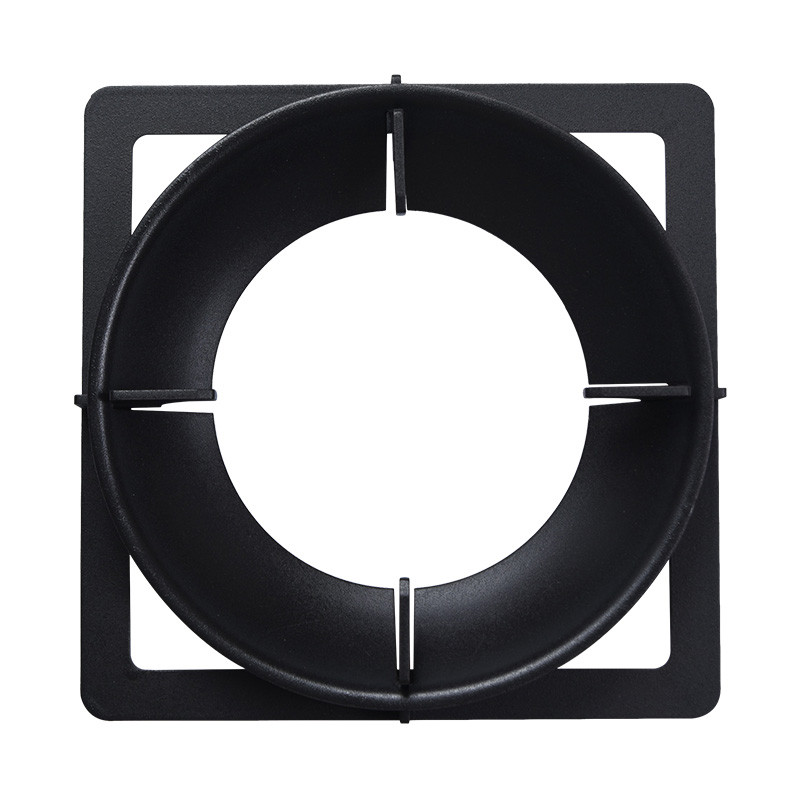
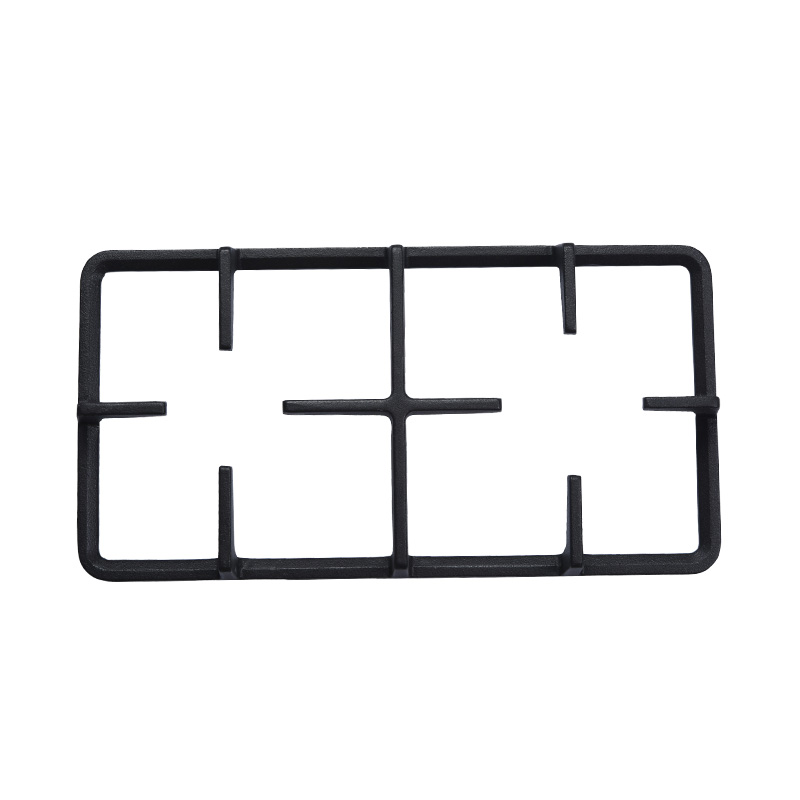
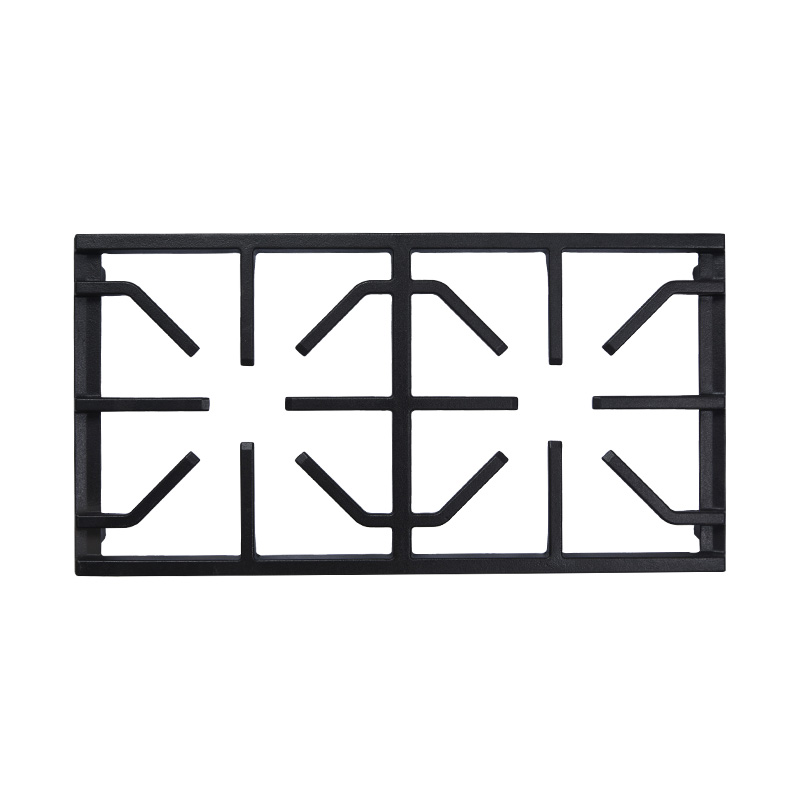
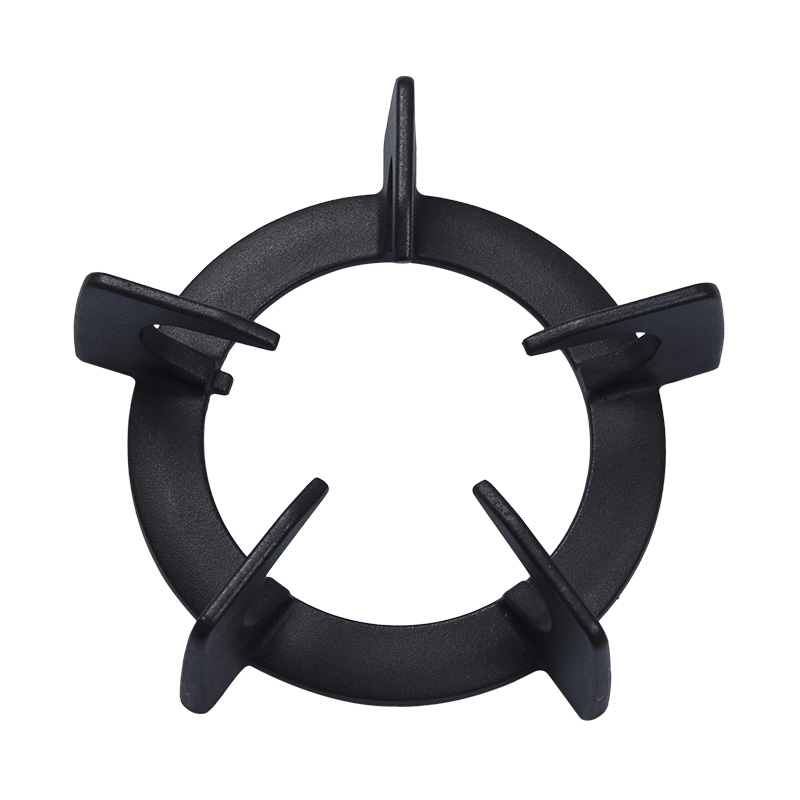
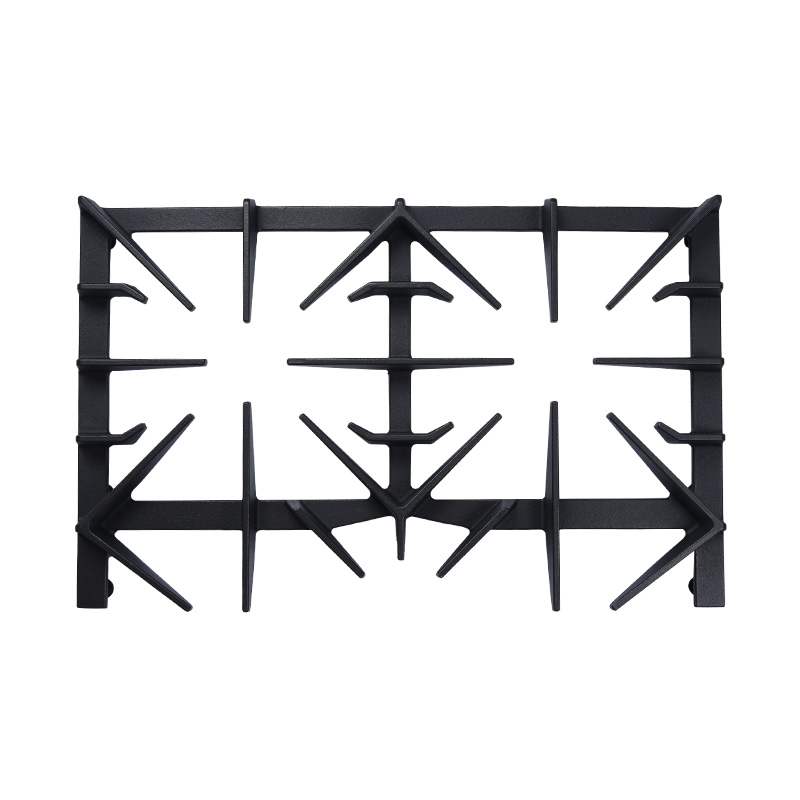
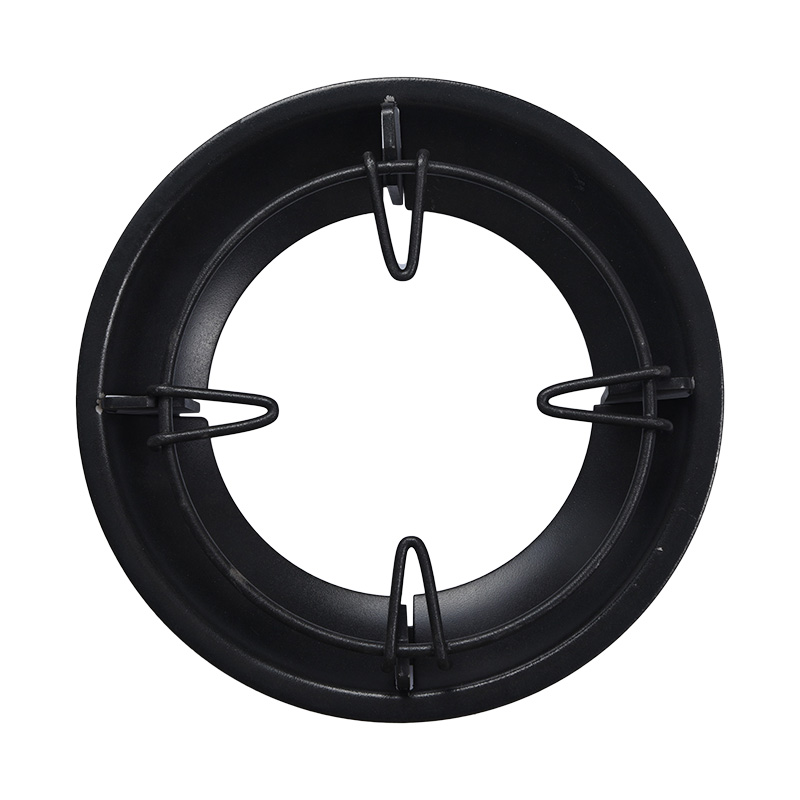
The gas stove pot support is the individual metal component—usually a ring, star-shaped bracket, or set of raised arms—that sits directly above a single gas burner to hold cookware at a fixed height above the flame. A stove grate, by contrast, is typically the larger, often single-piece framework that spans one or more burners and provides the overall support surface for the entire cooktop. In simple terms, a gas pot support is a component-level part designed for one burner, while the grate is often the full assembly that a range of pots and pans rests on across the whole stove. In daily cooking, this distinction matters because a pot support is usually replaceable, burner-specific, and easier to clean, whereas a grate is a heavier, multi-burner piece that requires more effort to remove, wash, and reposition.
For everyday users, the practical difference shows up in three areas: heat contact, cleaning convenience, and cookware compatibility. A gas stove pot support concentrates its function on a single burner, so if one part wears out or warps, only that section needs replacing rather than the entire cooking surface. A stove grate, being a unified structure, offers more consistent alignment across burners but is bulkier to handle during deep cleaning.
Understanding the physical construction helps explain why a gas pot support and a stove grate serve different roles in a kitchen. A pot support is generally made of cast iron, cast aluminum, or coated steel, shaped into arms or a ring that cradles the base of a pot or pan a few centimeters above the burner head. This gap allows air to feed the flame properly and prevents scorching of the cookware bottom.
A gas stove pot support is engineered around the geometry of one burner head, meaning its arm spacing, diameter, and weight capacity are matched to that specific location. A stove grate, on the other hand, often bridges two or more burners in a single frame, which means its structural tolerances have to account for uneven weight distribution when different pot sizes are used simultaneously.
Because a gas pot support only needs to bear the load of one pot at a time, manufacturers can use slightly thinner cast sections without compromising strength, which keeps individual replacement parts lighter and less expensive. A full stove grate, needing to support multiple pots across a wider span, is typically cast thicker and heavier, often exceeding 2 kilograms per piece compared to under 1 kilogram for many individual pot supports.
The way each component interacts with flame and heat directly affects cooking results. A gas stove pot support is positioned to center the pot precisely over the burner's flame ring, which promotes even heating across the bottom of the cookware. Because it is dedicated to a single burner, manufacturers can fine-tune the arm height and spacing of a gas pot support to match that burner's heat output.
A stove grate, spanning multiple burners, has to use a more generalized design that accommodates varying pot sizes and positions across its surface. This can occasionally lead to minor inconsistencies in how well a pot centers over a specific flame, especially with oddly shaped cookware such as woks or oval roasting pans.
| Feature | Gas Pot Support | Stove Grate |
|---|---|---|
| Coverage Area | Single burner | Multiple burners |
| Average Weight | Under 1 kg | Over 2 kg |
| Replacement Ease | Simple, per burner | More involved, full piece |
| Flame Centering Precision | High | Moderate |
Daily cooking inevitably leads to spills, boil-overs, and grease buildup, and this is where the practical differences between a gas stove pot support and a grate become most noticeable to home cooks. Because a pot support is smaller and lighter, it can usually be lifted off with one hand, rinsed under a tap, and dried in under a minute. This makes it far more convenient for households that cook frequently and need to wipe down the cooktop multiple times a day.
Because each pot support corresponds to one burner, users can remove just the piece that needs attention without disturbing the rest of the cooktop setup. This is particularly useful when only one burner has experienced a spill, avoiding the need to move heavier grate sections.
A stove grate, due to its size and weight, often requires two hands to lift and may need to be soaked separately in a sink or basin, which some households find less convenient for quick daily cleanup. However, its single-piece design means fewer individual parts to keep track of, which some users prefer for simplicity.
Stability during cooking is a top priority for anyone working with heavy pots, woks, or pressure cookers. A gas stove pot support, when properly matched to burner size, provides a snug, centered fit that reduces wobbling, particularly for round-bottom cookware. Many gas pot supports include raised arms spaced to cradle woks without requiring a separate wok ring.
A stove grate offers a flatter, broader surface that works well for flat-bottomed pots and pans, especially larger stockpots that might span the space between two burners. However, because the grate's structure isn't tailored to a single burner's exact flame pattern, users sometimes need to adjust pot placement slightly to ensure even contact with the support arms.
For pots exceeding 5 liters in capacity, a well-designed gas stove pot support with wide, evenly spaced arms can distribute weight effectively across a single burner, while a stove grate spreads that same weight across its full frame, which can be advantageous when a pot needs to bridge two burners for even heating of larger dishes like stockpots or canning kettles.
Longevity is another area where these two components diverge. A gas pot support, being a smaller cast piece, tends to heat and cool more quickly with each use, which can, over years of daily cooking, lead to earlier signs of surface wear such as minor cracking or discoloration compared to a heavier grate that retains heat more gradually.
That said, the modular nature of a gas stove pot support works in its favor here: if one wears out, replacing a single component is far less costly than replacing an entire stove grate. Many households find that individual pot supports last 3 to 5 years under regular use before needing replacement, while a well-maintained stove grate, if handled carefully, can often last 5 to 8 years due to its thicker construction.
For most households, the choice isn't really an either-or decision, since many gas stoves use both components together: individual gas stove pot supports sitting atop or alongside a broader grate framework. When evaluating a stove setup or planning a replacement purchase, it helps to consider cooking frequency, pot sizes used most often, and how much time is typically available for cleanup.
Households that cook multiple times daily and value quick cleanup often benefit most from stoves with easily removable, burner-specific gas pot supports. Those who frequently use oversized cookware that spans multiple burners may prioritize a sturdy, well-constructed stove grate that offers broader support and even weight distribution.
Beyond the basic structural differences, a few practical details often go unnoticed until they cause frustration during cooking. Airflow around the burner is one such factor: a gas pot support with too-narrow arm spacing can restrict oxygen flow to the flame, leading to inefficient combustion and a yellow, sooty flame rather than a clean blue one. A stove grate with wider openings generally allows more consistent airflow across the burner area.
Noise and vibration are another consideration. A poorly fitted gas stove pot support can rattle slightly during vigorous stirring or when a pot is repeatedly lifted and set down, while a heavier, more stable grate tends to stay firmly in place with minimal movement, which some users find reassuring during high-heat, fast-paced cooking.
Ultimately, both the gas pot support and the stove grate play complementary roles in supporting safe, efficient, and stable cooking. Recognizing their distinct functions helps users maintain their cooktops properly, choose the right replacement parts when needed, and get the most consistent cooking results from their gas stove day to day.

Come collaborate with us.

+86-13034673865


No. 5, Sunjiadifan, Shangtian Street, Fenghua District, Ningbo City, Zhejiang Province, China
Copyright © Ningbo Yisheng Machinery Co., Ltd. All Rights Reserved


 English
 中文简体
中文简体 Español
 русский